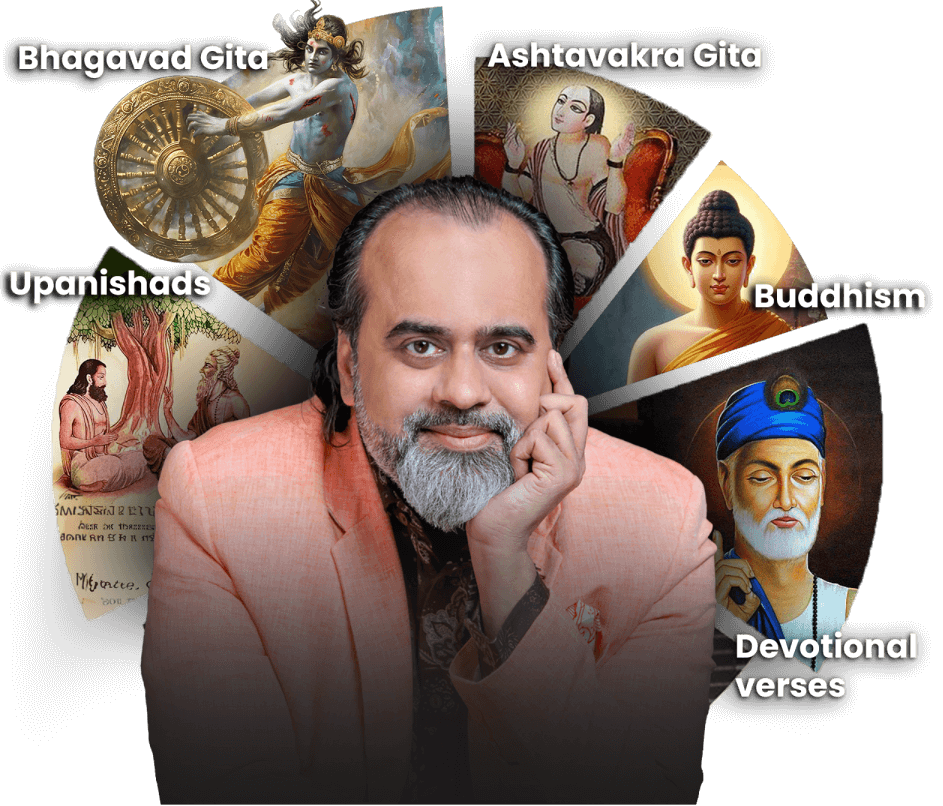
There is the observer, there is the observed, and there is a distance between them; that distance is called fear, attachment and the rest of our misery. The separation between the observed and the observer is human suffering. In witnessing, this separation goes away. Both the observed and the observer are gone — finished. Now there is a very new quality about them. You can call that quality ‘love’, or you can call that ‘witnessing’. And that’s beautiful.

Acharya Prashant: If you live on the circumference of life, things will always be fragmented for you. Not that things are actually fragmented. It's just that what you experience is decided by your location. That's why I love to continuously ask, “Are you all experiencing the same thing here?” not
Acharya Prashant: Observing the daily ordinary actions of the mind, that is the only way. Observing it as an impartial observer. There is no other method that is going to work because all other methods are ‘isolations.’ The method does something to
The atman is called 'the enjoyer' in the sense of the watcher, just as in a cinema hall you enjoy the show. How do you enjoy the show? By leaping into the screen? In the cinema hall, you enjoy the show by relaxing in your seat. That's what the atma does—it keeps relaxing in its seat. Even suffering is enjoyed in this detached manner, much like how we can enjoy tragic scenes in a movie. For the atma, there is no tragedy, as all suffering is false.

प्रश्नकर्ता: नमस्ते आचार्य जी! आचार्य जी, एक सिचुएशन है। जैसे बाहर कुछ हो रहा है दुख-सुख और वो मेरे पर घट रहा है और पीछे से कोई देख रहा है।और फिर उसको मैं जानना चाह रही हूँ कि वो कौन है। फिर जैसे ही मैं कोई भी चीज़ देख रही
Questioner (Q): Acharya Ji, Pranam! I do not want to ask philosophical questions as you have also rightly stopped me from doing so many times in the past. But here are some thoughts, knocking about in the head, and I want to know how to make them practical and behaviourally…

प्रश्नकर्ता: प्रणाम आचार्य जी। जब आप बोलते हो कि शुरुआत होगी तथ्य से, तो तथ्यों को देखना हैं, अब हर समय ऐसे तथ्यों को दूर ही से नहीं देखा जाता। जैसे अतीत है तो अतीत में भी उन तथ्यों के पास जाकर क्योंकि वो वहाँ लगातार हो रहे हैं तो

आचार्य प्रशांत: तो ले देकर एक नए तरह के अध्यात्म और एक नए तरीके के धर्म का निर्माण किया जा रहा है चोरी-छुपे। एक ऐसे अध्यात्म का निर्माण किया जा रहा है जिसमें धर्मग्रंथों के लिए कोई स्थान नहीं है। जिसकी कोई आत्मा ही नहीं है। उसमें किस चीज़ के

आचार्य प्रशांत: गाना सुन रहे हो तो भाई सुन ही लो न कि गाना क्या बोल रहा है। गाना तो मजबूर है, छुपा ही नहीं पाएगा जो वह बोल रहा है। गाने सुनने की आदत लगी हुई है बचपन से तो ऐसा क्यों नहीं करते कि गाना फिर सुन ही
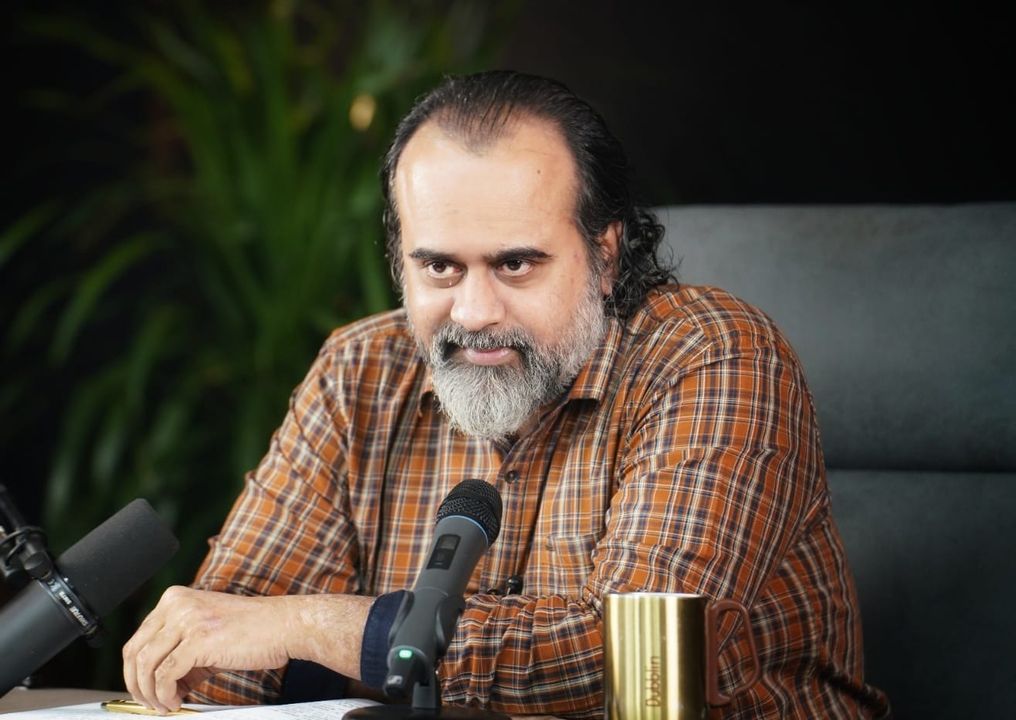
आचार्य प्रशांत: केला तक तो खाते हो तो छिलका उतारकर खाते हो और बातें किसी की यूँही समूची निगल लेते हो, बिना देखे कि इसमें क्या लगा है। डॉक्टर हैं, बच्चों को समझाते होंगे सब्जी भी पहले रगड़-रगड़ कर धोना, छिलका उतारना, फिर पकाना और बातें कीचड़ मेंं लथपथ हो


Acharya Prashant (AP): Great things are happening on the screen, don't get so excited, it's just the screen. Irrespective of what happens on the screen, it's not real. That's how you have to look at things. Great silence on the screen. Is it silence? No, it is the silence of…
Questioner: Sir, so one when day I was taking a bath, I was applying soap so there was a moment when I realized - the one who is applying the soap, and to whom it is getting applied to, both are somewhere different but both are one. But there is…
प्रश्नकर्ता: किसी भी मन को सत्य की तरफ़ दिशा कैसे मिलेगी अगर उसकी ज़िन्दगी में शरीर रुपी गुरु ही नहीं हो? गुरु के बिना क्या सत्य से साक्षात्कार होने की सम्भावना है भी?
आचार्य प्रशांत: ऐसा किसी के साथ भी नहीं होता कि वो एक पर्सन (व्यक्ति) से ही खाली…
प्रश्नकर्ता: आचार्य जी, साक्षीभाव से साधना के विषय में कहा जाता है कि किसी एक विशेष चीज़ पर आपका ध्यान लगा होना चाहिए, जैसे विपश्यना ध्यान जिसमें अपनी आती-जाती साँसों के प्रति होश पूर्ण रहा जाता है, लेकिन आप हमें जिस चीज़ के प्रति सचेत रहने को कहते हैं वो…
आचार्य प्रशांत: हम जैसे जीते हैं, हमारे लिए दो हैं, एक संसार और एक हम। संसार और एक हम, कुछ हम संसार की बात करते हैं, कुछ हम अपनी बात करते हैं। जब हम अपनी बात करते हैं तो भी हम अपने आप को देखते उन्हीं उपकरणों से और उसी…
सर्वभावं न सन्देह : सर्वं नास्ति न संशय:। सर्वं तुच्छं न सन्देह : सर्वं माया न संशय:।।
All is thought. There is no doubt of this. All is not. And there is no doubt of this. All is trifling. And there is no doubt of this.All is illusion. And…
Questioner (Q): I had been part of the last Delhi Camp, IIT Delhi Camp. During those three days, I have seen that you have spoken to the participants continuously for 6 hours, then later in the evenings, with hostel students, for another two, to three hours till 2 a.m. in…
Questioner (Q): Sir, all my life I have believed that my life has been a consequence of decisions I have taken for myself. But recently, in the past three months, I have had two retinal detachments and I've been blind for three months. I am questioning my beliefs now. Is…
प्रश्नकर्ता: प्रणाम आचार्य जी। मैंने आपका पहले वाला पुराना एक वीडियो देखा था। जिसमें आपने कहा था कि मुझे जो मिला है वह आप सबको मिलना चाहिए तो वह मतलब क्या है और कैसे हमको मिलेगा, उसके लिए क्या करना है? ये मेरा प्रश्न था।
आचार्य प्रशांत: वही तो कर…
माटी कुदम करेन्दी यार, वाह वाह माटी दी गुलज़ार। माटी कुदम करेन्दी यार, वाह वाह माटी दी गुलज़ार। माटी घोड़ा, माटी जोड़ा, माटी दा असवार। माटी घोड़ा, माटी जोड़ा, माटी दा असवार। माटी कुदम करेन्दी यार, वाह वाह माटी दी गुलज़ार। माटी कुदम करेन्दी यार, वाह वाह माटी दी गुलज़ार।…
प्रश्नकर्ता: आचार्य जी, मेरा प्रश्न ये है कि ज़िन्दगी में बड़ा-से-बड़ा दुख हुआ, मतलब जो सबसे प्रिय था वो भी चला गया, इसके बावजूद भी अहंकार नहीं टूटता। आत्मज्ञान में भी चल रही हूँ, लेकिन कहीं-न-कहीं लगता है देहभाव किसी भी तरह नहीं जाता है, कम ही नहीं होता है।…
सुणिऐ सिध पीर सुरि नाथ ।। सुणिऐ धरति धवल आकास ।। सुणिऐ दीप लोअ पाताल ।। सुणिऐ पोहि न सकै कालु ।। नानक भगता सदा विगासु ।। सुणिऐ दूख पाप का नासु ।।८।।
सुणिऐ ईसरु बरमा इंदु ।। सुणिऐ मुखि सालाहण मंदु ।। सुणिऐ जोग जुगति तनि भेद ।। सुणिऐ…
प्रसंग:
संसार रूपी वृक्ष क्या हैं? उस पर विराजते दो पक्षी क्या हैं? एक पक्षी खाता रहा, दूसरा देखता ही रहा का अर्थ क्या है? मौत से सब घबराते क्यों हैं? मृत्यु का भय क्यों सताता है?
श्लोक:
अजामेकां लोहितशुक्लकृष्णां बह्वीः प्रजा: सृजमानां सरूपाः । अजो ह्येको जुषमाणोऽनुशेते जहात्येनां भुक्तभोगामजोऽन्यः…

Climate change is more than an environmental crisis—it is a crisis of human choices. Our patterns of consumption, consumerism and endless pursuit of more are putting increasing pressure on the planet. But meaningful change does not necessarily begin with new technology or stricter policies. It begins with a deeper question: what are we willing to change within ourselves?

Success never quiets the anxiety underneath it. Hustle culture runs on karma — a restless cycle of chasing the next job, package, or achievement in hopes of filling an inner void. Young professionals in Bangalore who've "succeeded" on paper remain fearful, ashamed, and unsettled within, proof that success is a liar: it promises liberation but delivers only debt. Anxiety itself traces not to the future but to a present that's been neglected, and real freedom from restlessness begins only by turning inward.

Science can examine material claims, but Advaita Vedanta deals with the subjective self, ego, suffering, bondage, and liberation—areas outside science’s objective framework. Vedanta need not be accepted because of one’s religion or tradition; its value lies in whether its insights can be personally verified and help free one from suffering. The ultimate responsibility is not toward any philosophy, but toward oneself: to live a truly free life.

Superhero films appeal to our desire to escape inner inadequacy through external power. The fantasy of an ordinary, fearful person becoming extraordinary reinforces the ego’s belief that more strength, money, possessions, or status will bring happiness. Consumerism follows the same pattern, endlessly adding objects to fill an inner void. Real freedom does not come from becoming more powerful or acquiring more, but from honestly seeing and understanding the ego that feels incomplete.

The balance between order and disorder should not be decided by personal likes or dislikes, but by what the task at hand requires. Sometimes a project demands discipline and order; at other times, more important work requires leaving things messy. The right action comes from responding to the actual need, not personal preference. Even sacrifice can be meaningful when it serves something important, but “staying backstage” should never become an excuse to avoid what one cannot tolerate.

True freedom begins when we question the beliefs that make us feel trapped. Most of our suffering comes not from circumstances but from unquestioned assumptions, attachments, and imagined obligations. By suspending our beliefs, even briefly, we allow truth to enter, revealing that life always offers choice. Transformation is born from love for truth, the courage to let go, and the willingness to step beyond the boundaries created by the ego.

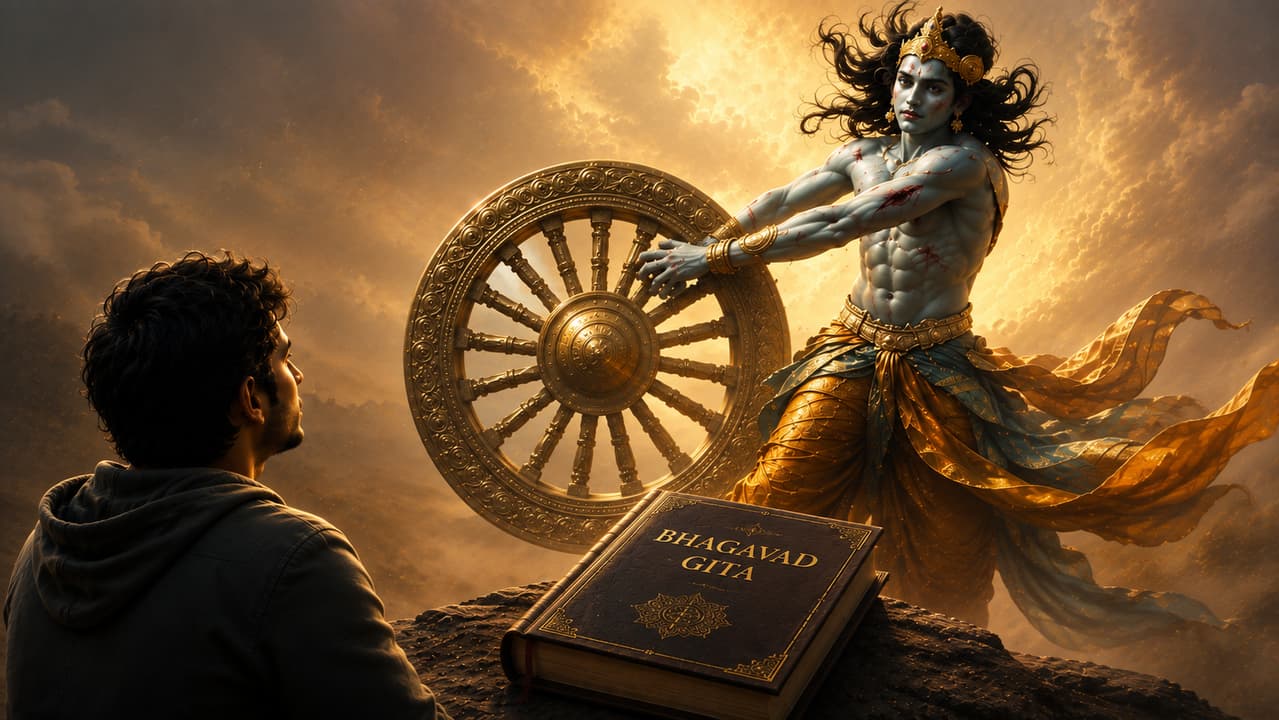
The Bhagavad Gita deserves reverence not because of inherited beliefs about its author, but because of its power to dissolve falsehood and reveal Truth. Real devotion is not ritual or blind faith—it is understanding, inquiry, and living the wisdom of the Gita. Through sincere study, one discovers the true meaning of Krishna, making the Gita the most authentic path to knowing and worshipping Him.

समझदारी याददाश्त से नहीं, समझ से आती है। जीवन हर पल नए प्रश्न पूछता है, इसलिए रटे हुए उत्तर नहीं चलते। जानकारी बाहर से मिल सकती है, पर सही उत्तर तभी जन्म लेते हैं जब मन वर्तमान में पूरी तरह उपस्थित हो। जो समझ में न आए उसे रटने के बजाय प्रश्न करो, जिज्ञासु बने रहो। सीखने का सार स्मृति नहीं, जागरूकता, समझ और वर्तमान क्षण में जीने की क्षमता है।

True learning is not built on memorizing answers but on understanding reality. Memory may help in examinations, but life constantly presents new questions that demand clarity, presence, and intelligence. Education becomes meaningful only when knowledge is deeply understood and lived, not merely remembered. Real understanding frees us from dependence on rote learning and enables us to respond wisely to every new situation.

समझ केवल जानकारी इकट्ठा करने या बातों को याद रखने से नहीं आती, बल्कि पूरी सजगता से वर्तमान में जीने और हर अनुभव को स्वयं देखने से आती है। जीवन हर दिन नए प्रश्न पूछता है, इसलिए रटी हुई बातें पर्याप्त नहीं होतीं। वास्तविक सीख तब होती है जब जिज्ञासा, प्रश्न और प्रत्यक्ष समझ विकसित होती है। स्मृति नहीं, बल्कि जागरूकता और समझ ही सही निर्णय, सीखने और जीवन को सार्थक दिशा देने का आधार बनती है।

आध्यात्मिक प्रगति अधिक गुरु, ग्रंथ या संस्थाएँ बदलने से नहीं, बल्कि एक सत्य को गहराई से जीने से होती है। सतही अध्ययन अहंकार को बढ़ाता है, जबकि वास्तविक अध्ययन स्वयं को बदल देता है। जो वास्तव में समझता है, उसे निरंतर नए उपाय नहीं चाहिए। विनम्रता से अपनी अधूरी समझ स्वीकार कर, एक प्रामाणिक स्रोत के साथ गहराई से जुड़े रहना ही आत्मज्ञान और आंतरिक परिवर्तन का मार्ग है।

श्रीकृष्ण, श्रीराम और अन्य अवतारों को केवल उनके मानवीय जीवन से समझना भ्रम पैदा करता है। साकार रूप सीमित होता है, जबकि उसका उद्देश्य मनुष्य को निराकार सत्य की ओर ले जाना है। देह, परिवार या घटनाओं में कमियाँ खोजने के बजाय उनके संदेश का सार समझना आवश्यक है। विवेक, कृतज्ञता और सही दृष्टि ही आध्यात्मिक समझ का आधार हैं, जबकि हर बात में दोष ढूँढ़ना केवल अहंकार को पोषित करता है।

अज्ञान भय पैदा करता है, जबकि ज्ञान से आनंद और मस्ती जन्म लेते हैं। सच्ची मित्रता, प्रेम और शांति किसी को पकड़ने से नहीं, बल्कि स्वतंत्रता देने से मिलते हैं। मन स्वयं चंचल नहीं होता; उसमें क्या भरा जाए, यह हमारी सजगता तय करती है। जीवन का उद्देश्य केवल जानकारी जुटाना नहीं, बल्कि ज्ञान से प्रेम करना, प्रश्न करना, आत्मावलोकन करना और अपने भ्रमों को पहचानकर भीतर की स्वतंत्रता की ओर बढ़ना है।

ज्ञान ही डर को मस्ती में बदलता है। अज्ञान भय पैदा करता है, जबकि सही समझ भय दूर करता है। सच्चे मित्र बनाने की कोशिश करने के बजाय आत्म-अवलोकन अधिक आवश्यक है। कबीर साहब का संदेश है कि केवल किताबें पढ़ने से नहीं, बल्कि ज्ञान के प्रति प्रेम से जीवन बदलता है। मन स्वयं चंचल नहीं होता; हमारी इच्छाएँ और अस्थिरता उसे भटकाती हैं। शिक्षा का उद्देश्य केवल जानकारी जुटाना नहीं, बल्कि अपनी मान्यताओं पर प्रश्न करना और सत्य की खोज करना है।

लोग अपनी राय की रक्षा इसलिए नहीं करते कि वह सत्य है, बल्कि इसलिए क्योंकि भीतर से उन्हें उसकी कमजोरी का पता होता है। झूठ सबसे जल्दी आहत होता है और सच से डरता है। इसलिए सत्य बोलने पर यदि कोई टूटता है, तो उसके झूठ के लिए स्वयं को दोषी नहीं मानना चाहिए। जहाँ वास्तव में गलती हो, वहाँ विनम्र बनें; लेकिन सत्य के पक्ष में खड़े होने के लिए अपराधबोध या दूसरों की नाराज़गी का बोझ उठाना आवश्यक नहीं है।

आत्मज्ञान के बिना समाज, पर्यावरण या किसी भी बाहरी समस्या का स्थायी समाधान संभव नहीं, क्योंकि हर संकट की जड़ मनुष्य की चेतना में है। बाहरी सुधार, नीतियाँ या अभियानों की अपनी भूमिका है, लेकिन वे मूल कारण को नहीं बदलते। इसलिए सबसे आवश्यक कार्य है स्वयं को बदलना और सत्य के प्रति गंभीर होना। जो व्यक्ति सत्य के प्रति उदासीन है, उससे स्वीकृति या मान्यता की अपेक्षा करना भी व्यर्थ है।

पढ़ना केवल पन्ने पूरे करना नहीं, बल्कि समझ विकसित करना है। जब किसी विषय को सचमुच समझा जाता है, तो जिज्ञासा स्वयं आगे पढ़ने के लिए प्रेरित करती है। अधूरी किताबें अक्सर रुचि की कमी नहीं, बल्कि बिना समझे आगे बढ़ने का परिणाम होती हैं। इसलिए गति से अधिक महत्त्वपूर्ण है हर विचार को समझना, क्योंकि वास्तविक सीख वहीं से शुरू होती है।

Real change begins not by changing the world alone but by understanding the one trying to change it. Laws, technology, policies, and scientific progress have value, yet they cannot solve problems rooted in human consciousness and endless desire. Truth remains the same across cultures and disciplines, requiring only a change in language, not in essence. Lasting solutions emerge through honesty, self-inquiry, and inner transformation, because no external system can replace a change in the human mind.

The mind is not an independent entity but a structure built and maintained by the ego through thoughts, memories, beliefs, and experiences. Most spiritual practices fail when they become distractions from examining the ego itself. Experiences, emotions, and preferences are often conditioned and unreliable. Real inquiry begins with observing the experiencer, admitting facts without distortion, and applying the same rigor to inner life that science applies to the external world.

Science and philosophy arise from different kinds of inquiry. Matter seeks continuity of state, while the ego seeks continuity of existence and constantly changes identities to preserve itself. Fear, danger, and suffering are rooted in the ego’s sense of “I,” not in material reality itself. Questions are valuable because they expose hidden beliefs, and genuine learning requires challenging assumptions through inquiry, dialogue, and self-examination.

Freedom begins when a person stops handing over the authority of life to others. Society, family, and tradition can offer opinions, rewards, or disapproval, but they cannot truly stop someone unless there is inner dependence on their approval. Many conflicts that appear external are rooted in psychological dependence, fear, greed, obligation, or the desire for validation. Clarity does not come from controlling every outcome; it comes from ensuring that decisions are not driven by inner confusion, and then allowing life to unfold naturally.

Operating from the highest inner point means living with honesty rather than self-created illusions. The ego becomes “higher” not through mystical growth but by dropping false self-images and testing its claims against reality. When honesty weakens, lower motives take control, creating inner conflict and disorder. Real growth lies in continuously questioning oneself, facing uncomfortable truths, and preventing the ego from being driven by comforting but deceptive beliefs.

अध्यात्म कोई अलग विषय या पुरानी परंपरा नहीं, बल्कि स्वयं को जानने की सतत जागरूकता है। विज्ञान, चिकित्सा या एआई जैसे सभी क्षेत्र बाहरी ज्ञान से जुड़े हैं, जबकि अध्यात्म उस व्यक्ति को समझने की प्रक्रिया है जो इनका उपयोग करता है। यदि इंसान स्वयं को नहीं समझता, तो उसका ज्ञान दिशाहीन हो सकता है। सही समझ ही तकनीक और शक्ति को मानव कल्याण की दिशा देती है।

लोग ऋषिकेश शांति या आत्मबोध के लिए नहीं, बल्कि अपनी वही तनावपूर्ण और भ्रमित जीवनशैली को बनाए रखने के लिए आते हैं। महादेव का अर्थ अंत और अहंकार की समाप्ति है, पर तीर्थ भी मनोरंजन और पलायन का साधन बन गया है। दुख से मुक्त होने के बजाय लोग उसी दुख को बचाए रखने के उपाय खोजते रहते हैं।

आप ‘अद्वैत’ को कोई सिद्धांत समझते हैं? जब तक ‘मैं’ है, तब तक दुनिया और दूसरा भी है, यही द्वैत है। अद्वैत तब होता है जब ‘मैं’ ही अपने मिथ्यात्व को देख ले। तब न कहने वाला बचता है, न कहने को कुछ। अद्वैत कोई विचार नहीं, अस्तित्व का अनुभव है। यह अहंकार के समाप्त होने का नाम है, जहाँ सिर्फ़ बोध शेष रह जाता है।

क्या आपके विचार भी आपको सच जैसे लगते हैं? यही भ्रम है। विचार कभी सत्य नहीं होते, वे सिर्फ़ मन की गतिविधि हैं। जब तक “मैं हूँ” का भाव है, तब तक वस्तु, व्यक्ति और विचार रहेंगे ही। उनसे भागना नहीं, उन पर विवेक लगाना है। जो अहंकार को पोषित करे उसे छोड़ो, जो उससे टकराए वही सही दिशा है। यही चुनाव जीवन को बंधन या मुक्ति की ओर ले जाता है।