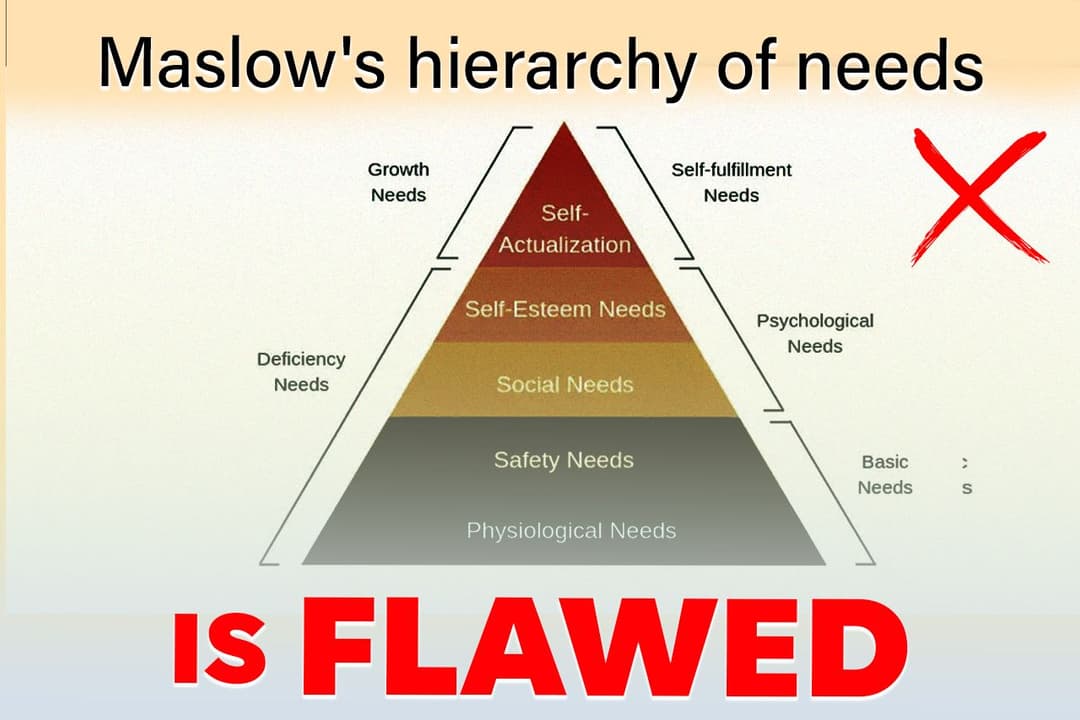
The way Maslow constructed his pyramid is good, but not very exact. The ladder goes like “Food, security, self-esteem, and only then self-actualization.” No, that is not how it actually is. Self-actualization is not the top of the pyramid; it is the foundation of everything that you do; it is the foundation of your activity even when you are fulfilling your lower needs. Whatever you do, your entire universe, all your deeds, thoughts, purposes, motivations—all arises for the sake of actualization.

We gladly worship Krishna the cowherd of Mathura and Vrindavan, yet the Krishna of Kurukshetra, who speaks the Gita, is rarely welcome. Much of what we call religion is a request: we pick a favourite deity, place and ritual, then ask for a car, money or a cure. The Gita values rituals done for desire as little as a pond beside the ocean. Popular religion says, "I want, therefore I act." The Gita says, "Know who you are and then simply let things happen." Which of the two do our prayers come from?
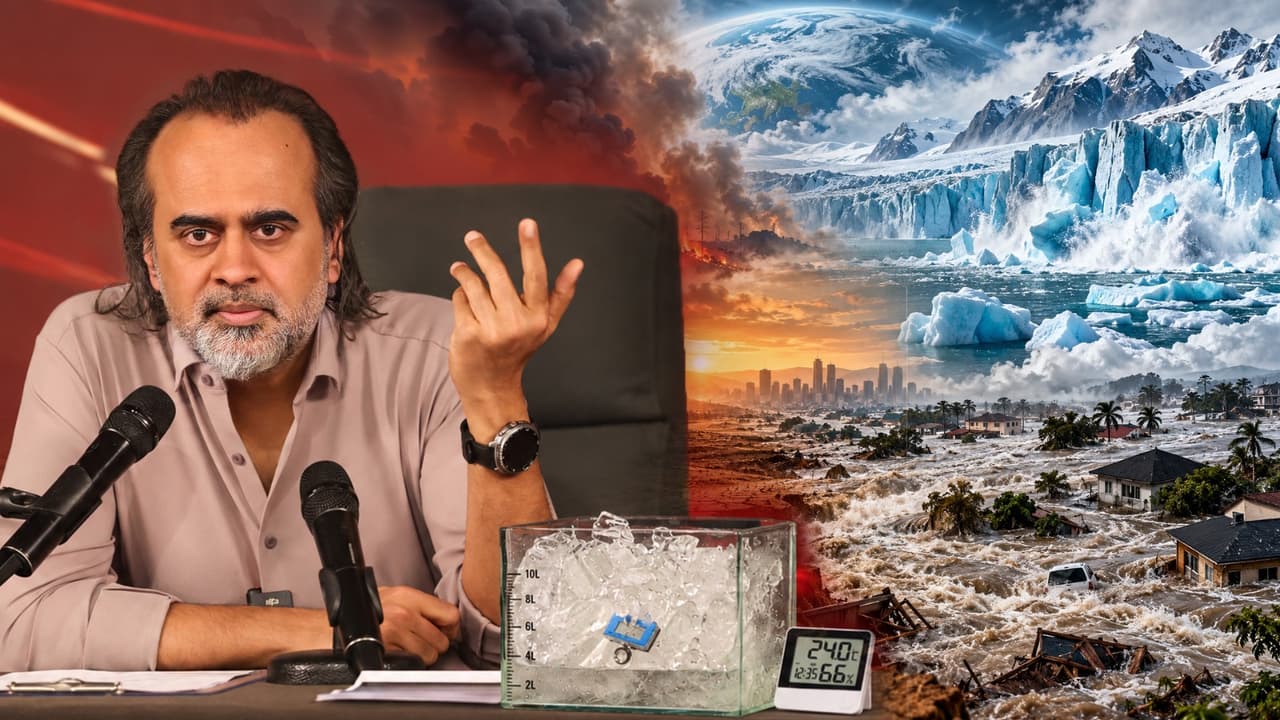

Oil companies’ own scientists predicted the warming in the 1970s. Carbon isotopes now prove the extra CO2 is ours. And still, in the country that has emitted the most, many call climate change unreal. This is not a gap in knowledge. Denial is a defence: every doubt we keep alive gives us a safe place to hide, because accepting the carbon means accepting that our own desire is heating the planet. What are we protecting when we refuse to know?
किसी बड़ी जीत के बाद मन करता है कि अब बस, जो पाने लायक था, पा लिया, अब सब कुछ ऐसा ही बना रहे। पर रुकने की यह चाह उस पहचान से उठती है जो जीत के साथ हमने ओढ़ ली है और जिसे हम बचाए रखना चाहते हैं। जीवन में कुछ भी ठहरा हुआ नहीं है, और चलती राह पर जो रुक जाता है, वह घिसने लगता है। पिछली चुनौती जीती ही इसलिए जाती है कि उससे बड़ी उठाई जा सके। क्या हम देख पाएँगे कि सेटल होने की चाह में हम असल में क्या बचा रहे हैं?

Physical weakness does not stay physical. It becomes mental weakness, and the ego, which turns everything into an identity, starts saying “I am weak” because that line brings support and spares it responsibility. Visible strength works even unused: it keeps the opponent outside wary and silences the one within, who can no longer claim to be helpless. Keeping the body strong is therefore a spiritual matter, not vanity. Are we holding on to weakness because it is convenient?

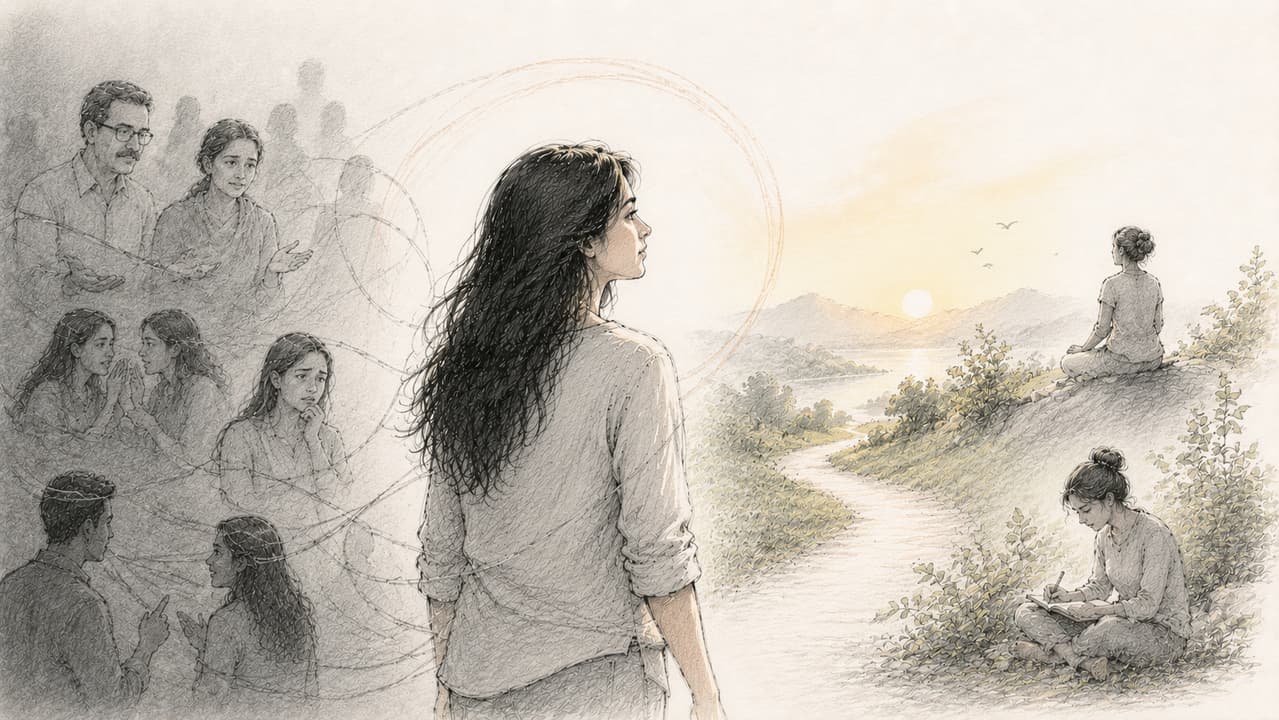
सच की राह पकड़ते ही अक्सर अपने ही लोग बदल जाते हैं, और हम मान लेते हैं कि शायद हम ठीक से समझा नहीं पा रहे। पर सामने वाला समझ तो रहा होता है, उसे बस सौदा नहीं जँचता। अहंकार लेन-देन से चलता है, इसलिए अकेले तर्क उसे नहीं हिलाते। हमारा अपना अहंकार भी यही करता है: थोड़े-से स्वार्थ के लिए हम झूठे रिश्तों में मिठास का स्वांग करते हैं, मजबूरियाँ गिनाते हैं और पीछे हट जाते हैं। जिसे हम मजबूरी कहते हैं, क्या वह सच में मजबूरी है?

Many Indian parents keep their children, and especially their daughters, away from sport, even where coaches and facilities exist. The barrier is often not outside but in the parent’s own ideas: poor returns, uncertainty, and fixed notions of what a girl’s life must be. Blaming our own parents does not help either; our life is now our responsibility. Parenting is a decision of the greatest responsibility, and it begins with self-love. Can we love a child if we cannot love ourselves?

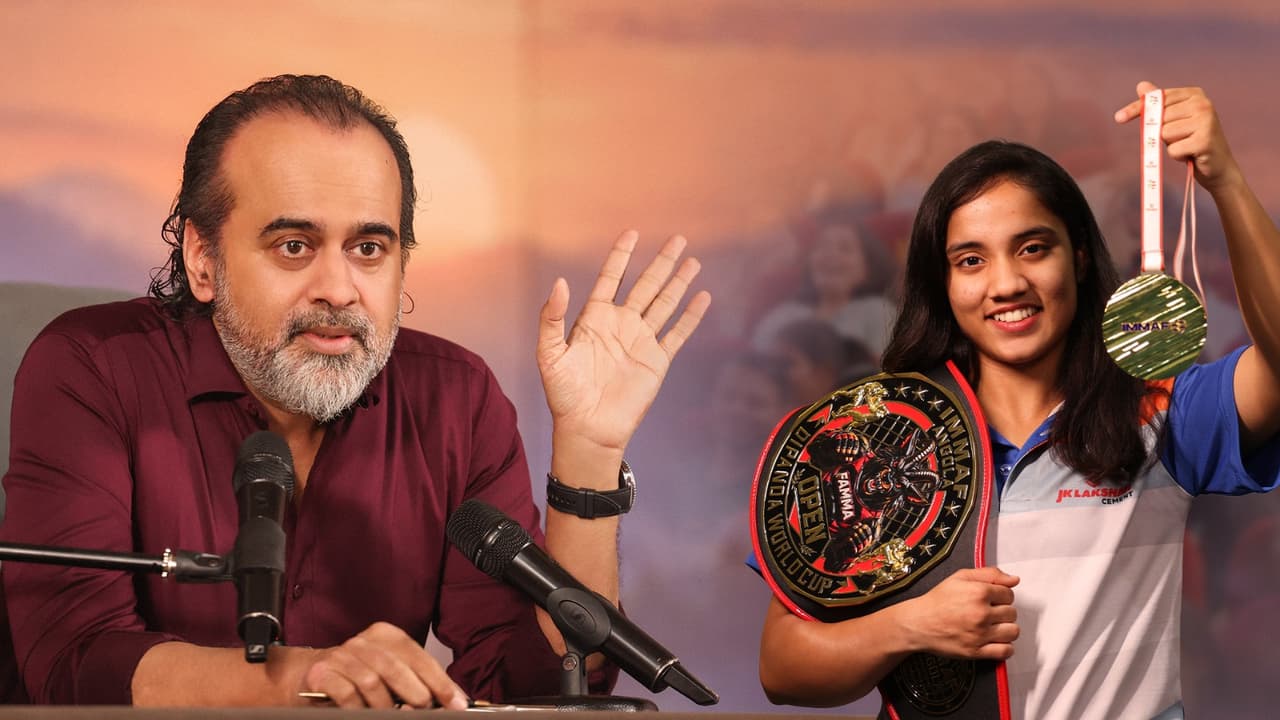
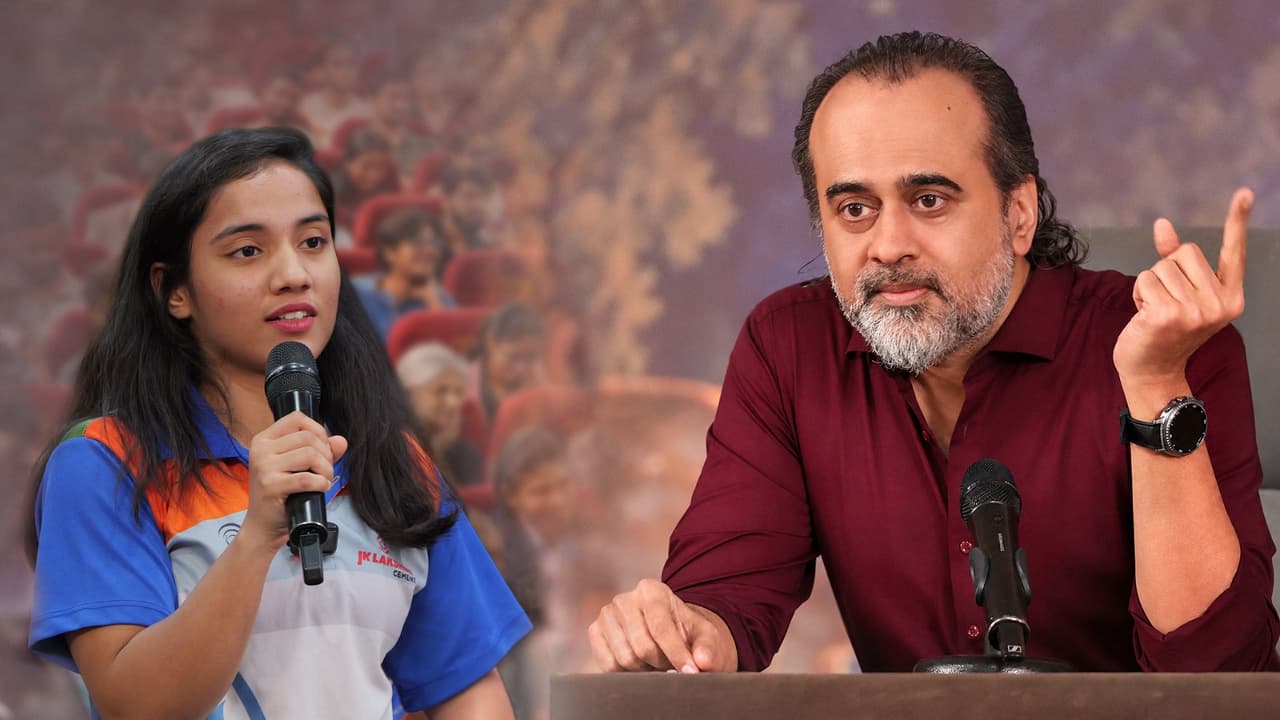
A world champion asks why she cannot sleep when a teammate outperforms her, and why even big wins leave her restless. The restlessness is not a problem but unspent energy, a sign that we have more to give. When every bit of our time and attention goes to what we have chosen, there is no surplus left to worry with. The right fight is never only against an opponent; it is against the ego within. What would it mean to fight so fully that nothing is left to celebrate or mourn?

We often defend a bad choice by pointing to a worse one: stay dishonest or starve, keep the wrong grip or stop playing. But the real trouble is not the option we picked. It is the option we never let ourselves see. Action does not need greed or attachment to find its energy. The third way begins by rejecting both false choices, without knowing what comes next. Which of our everyday choices are really false dilemmas?

एक महिला खिलाड़ी वर्ल्ड चैंपियनशिप में मेडल जीतती है, लेकिन उसे ऑनलाइन हैरसमेंट, फ़ेक अकाउंट्स और आपत्तिजनक तस्वीरों का सामना करना पड़ता है। सदियों की वर्जनाओं ने हमें स्त्री को सिर्फ़ देह के तल पर देखने का आदी बना दिया है, उसकी काबिलियत या गहराई से कोई सरोकार नहीं रहता। यही पैटर्न गाड़ी, नौकरी और शादी जैसे रोज़मर्रा के फैसलों में भी दिखता है। यह कोई विकृति नहीं, बल्कि इन्हीं वर्जनाओं की स्वाभाविक परिणति है।

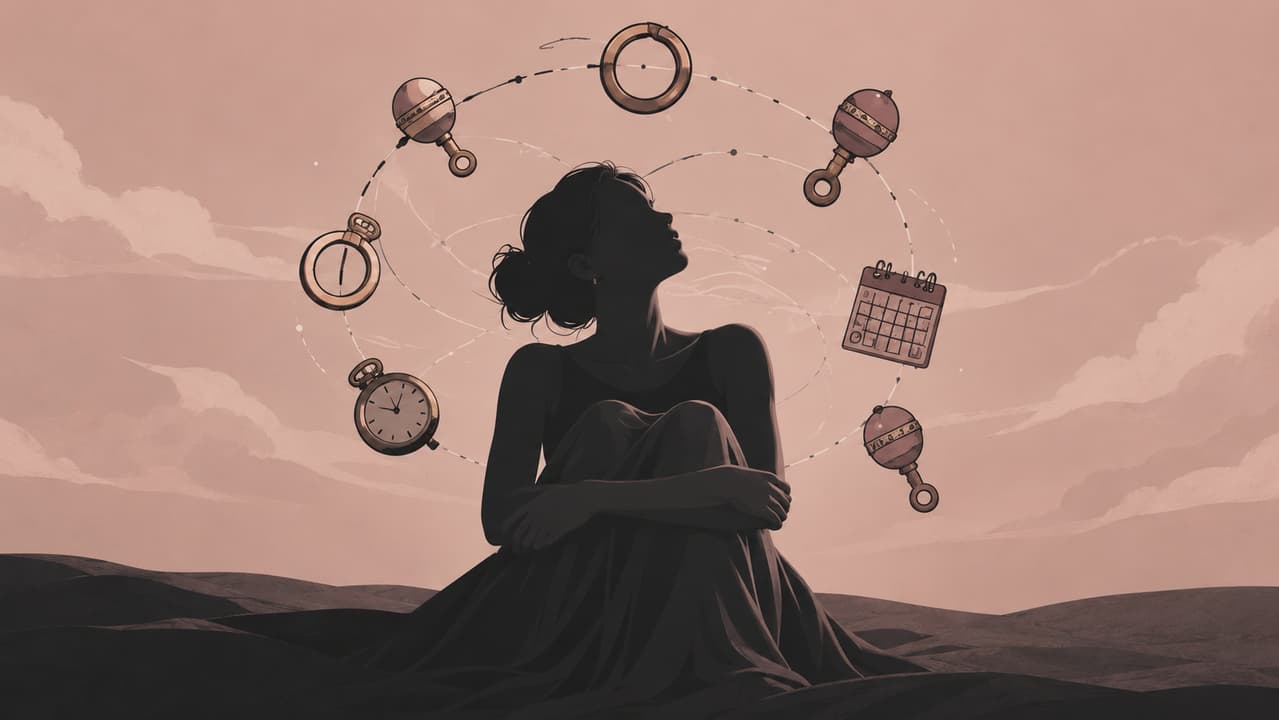
A modern woman calls herself liberated, yet lives anxious — anxious about age, desirability, marriage, motherhood. Acharya Prashant exposes this anxiety as proof that feminism never touched the real wound: centuries of conditioning that reduced women to bodies for pleasure and reproduction. External equality isn't enough. True freedom demands she reject the entire inheritance of tradition and simply become human — not woman, not wife, not mother by decree, but free.

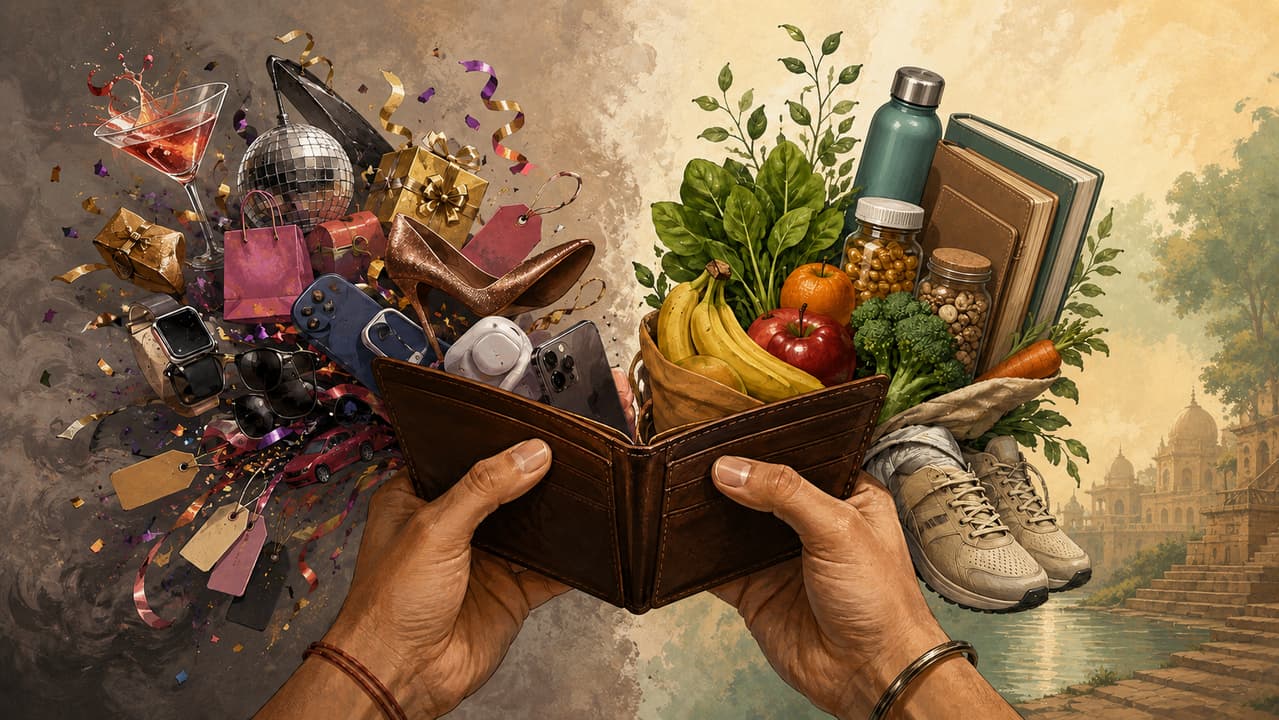
आचार्य प्रशांत बताते हैं कि क्यों हम सही खान-पान, स्वास्थ्य और अपने ऊपर ज़रूरी खर्च से बचते हैं, लेकिन दिखावे और फ़ालतू सामाजिक परंपराओं पर पैसा बहा देते हैं। अधिकांश लोगों के लिए समस्या सिर्फ़ पैसों की कमी नहीं, बल्कि विवेक और सही प्राथमिकताओं की कमी भी है।

Climate change is more than an environmental crisis—it is a crisis of human choices. Our patterns of consumption, consumerism and endless pursuit of more are putting increasing pressure on the planet. But meaningful change does not necessarily begin with new technology or stricter policies. It begins with a deeper question: what are we willing to change within ourselves?

Science can examine material claims, but Advaita Vedanta deals with the subjective self, ego, suffering, bondage, and liberation—areas outside science’s objective framework. Vedanta need not be accepted because of one’s religion or tradition; its value lies in whether its insights can be personally verified and help free one from suffering. The ultimate responsibility is not toward any philosophy, but toward oneself: to live a truly free life.

Superhero films appeal to our desire to escape inner inadequacy through external power. The fantasy of an ordinary, fearful person becoming extraordinary reinforces the ego’s belief that more strength, money, possessions, or status will bring happiness. Consumerism follows the same pattern, endlessly adding objects to fill an inner void. Real freedom does not come from becoming more powerful or acquiring more, but from honestly seeing and understanding the ego that feels incomplete.

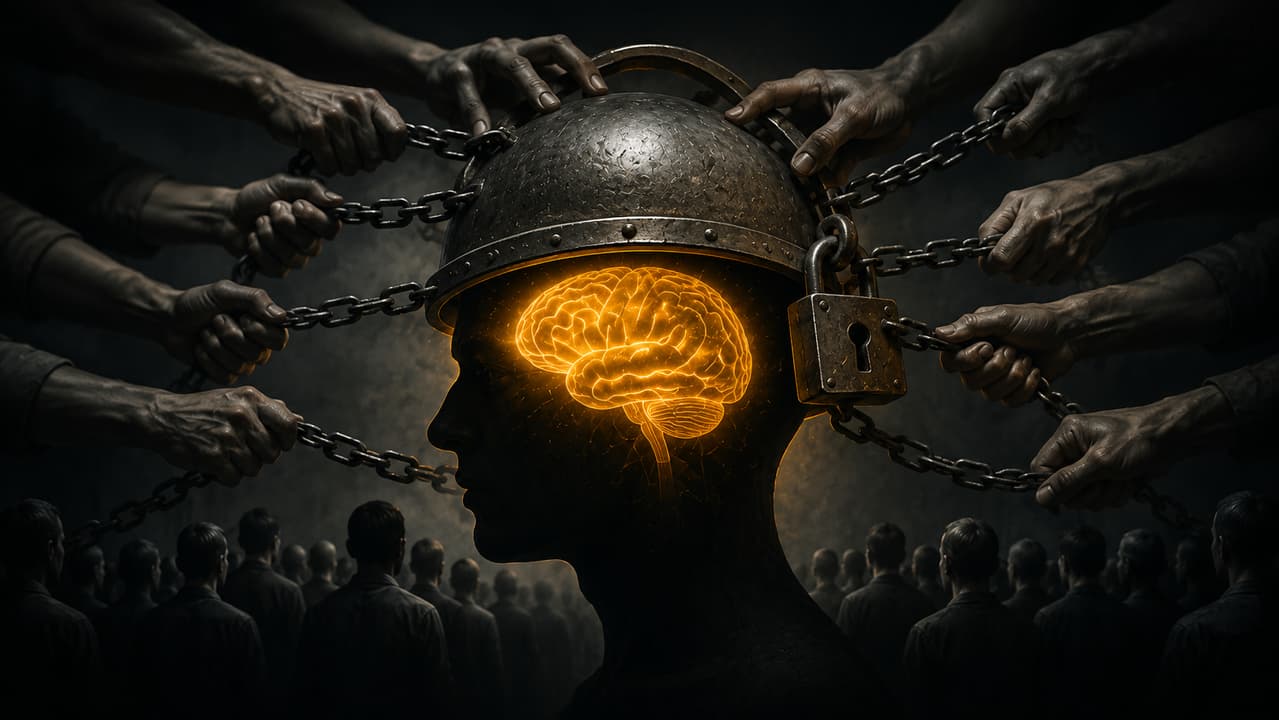
We often believe we are living freely, while our desires, dreams, beliefs, and choices are shaped by physical, social, cultural, religious, and psychological scripts. These scripts offer comfort and security, making us reluctant to examine our bondage. Freedom does not begin by imagining what lies beyond the script, but by deeply observing the cage we already live in, without fear, desire, or attachment.

सोमवारी और काँवड़ यात्रा का बाहरी आयोजन तभी सार्थक है जब उसका संबंध शिवत्व और सत्य से हो। केवल भीड़, दिखावे, मांसाहार छोड़ने की औपचारिकता या पुत्र की कामना को धर्म मान लेना वास्तविक धर्म नहीं है। काँवड़ियों को दोष देने के बजाय उस सामूहिक मानसिकता को देखना चाहिए जो ऐसे कर्मों को जन्म देती है। धर्म का उद्देश्य लोकधर्म की रूढ़ियों को बढ़ाना नहीं, बल्कि विवेक और समझ के द्वारा उनसे मुक्त करना है।

Migration can arise from genuine needs such as safety, education, livelihood, or environmental conditions, as well as from the ego's pursuit of greater consumption and fulfilment. The challenge is to distinguish between these motives with wisdom rather than ideology. Fair, impartial screening, mutual respect between migrants and host societies, and practical integration create a balanced approach that is both humane and responsible.

आत्मसम्मान उपलब्धियों से नहीं, अपनी पहचान से जन्म लेता है। जब तक हम स्वयं को केवल शरीर मानते हैं, तब तक प्रकृति और समाज की अपेक्षाएँ हमें अधूरा महसूस कराती रहती हैं। सच्ची मुक्ति तब है जब हम जैविक और सामाजिक बंधनों से ऊपर उठकर चेतना के अनुसार जीवन जिएँ। शरीर साधन है, साध्य नहीं। जीवन का उद्देश्य प्रकृति के आदेशों का पालन नहीं, बल्कि अपने बंधनों को पहचानकर उन्हें तोड़ते हुए स्वतंत्रता और आत्मबोध की ओर बढ़ना है।

True revolution begins with inner transformation, not merely with protest. Lasting social change is possible only when individuals cultivate self-knowledge, integrity, and personal responsibility. Replacing governments or demanding reforms without examining the mind that sustains the same patterns only repeats history. Awaken yourself first, educate others with clarity and compassion, and let conscious citizens, not unconscious crowds, become the foundation of a better society.

सत्य के मार्ग पर चलने के लिए सबसे बड़ी आवश्यकता बाहरी समर्थन नहीं, बल्कि भीतर की निष्ठा और साहस की होती है। जब व्यक्ति स्वार्थ, भय और सामाजिक दबाव से ऊपर उठकर न्याय का साथ देता है, तभी वास्तविक स्वतंत्रता जन्म लेती है। जीत या हार से अधिक महत्वपूर्ण है सत्य के प्रति अडिग रहना। इतिहास उन्हीं को याद रखता है जो अन्याय के सामने झुकने के बजाय अकेले खड़े होने का साहस रखते हैं।

भारत की असली चुनौती तकनीक या प्रतिभा की कमी नहीं, बल्कि ऐसा सामाजिक ढाँचा है जहाँ उत्कृष्टता कुछ द्वीपों तक सीमित रह जाती है। जब समाज सत्य, स्वतंत्र सोच और मानवीय विकास के बजाय लोकधर्म, भय और सामाजिक स्वीकृति से संचालित होता है, तब स्थायी परिवर्तन संभव नहीं होता। एक बेहतर समाज केवल संसाधनों से नहीं, बल्कि साहसी, ईमानदार और जागरूक समुदायों के निर्माण से जन्म लेता है।

The crisis exposed by the NEET paper leak goes far beyond examination malpractice. When society teaches young people that a single rank determines their worth, corruption, desperation, and broken trust become inevitable. Lasting reform requires more than stricter systems—it demands a transformation in how education, success, and self-worth are understood by students, parents, teachers, and society.

Innovation is born from research, creativity, critical thinking, scientific temper, and original thinking—not imitation or appearances. A society that values honest inquiry over validation creates genuine progress. India's future depends on nurturing a culture that encourages questioning, respects originality, and pursues truth with intellectual honesty instead of settling for superficial success and empty displays.

धर्म का अर्थ अंधविश्वास या मान्यताओं को मान लेना नहीं, बल्कि निर्भीक जिज्ञासा और सत्य की खोज है। बच्चों पर धार्मिक नियम थोपने के बजाय उन्हें प्रश्न पूछने की पूरी स्वतंत्रता मिलनी चाहिए। भय, शर्म और अपराधबोध पर आधारित धार्मिक संस्कार व्यक्ति को सत्य से दूर और देह-केंद्रित बना देते हैं। सच्चा धर्म हर मान्यता की निष्पक्ष जाँच, तथ्य के प्रति ईमानदारी और आंतरिक स्वतंत्रता का नाम है। प्रश्नचिह्न ही धार्मिकता का सबसे बड़ा प्रतीक है।

Society has a role in practical matters, but it should never decide love, marriage, happiness, or the purpose of life. Real freedom begins when personal choices are guided by understanding instead of social pressure. While social norms help maintain order, they become harmful when they dictate relationships, career, or inner values. True happiness and love arise from freedom, not conformity, making every love story meaningful only when it is authentically one's own.

अज्ञान भय पैदा करता है, जबकि ज्ञान से आनंद और मस्ती जन्म लेते हैं। सच्ची मित्रता, प्रेम और शांति किसी को पकड़ने से नहीं, बल्कि स्वतंत्रता देने से मिलते हैं। मन स्वयं चंचल नहीं होता; उसमें क्या भरा जाए, यह हमारी सजगता तय करती है। जीवन का उद्देश्य केवल जानकारी जुटाना नहीं, बल्कि ज्ञान से प्रेम करना, प्रश्न करना, आत्मावलोकन करना और अपने भ्रमों को पहचानकर भीतर की स्वतंत्रता की ओर बढ़ना है।

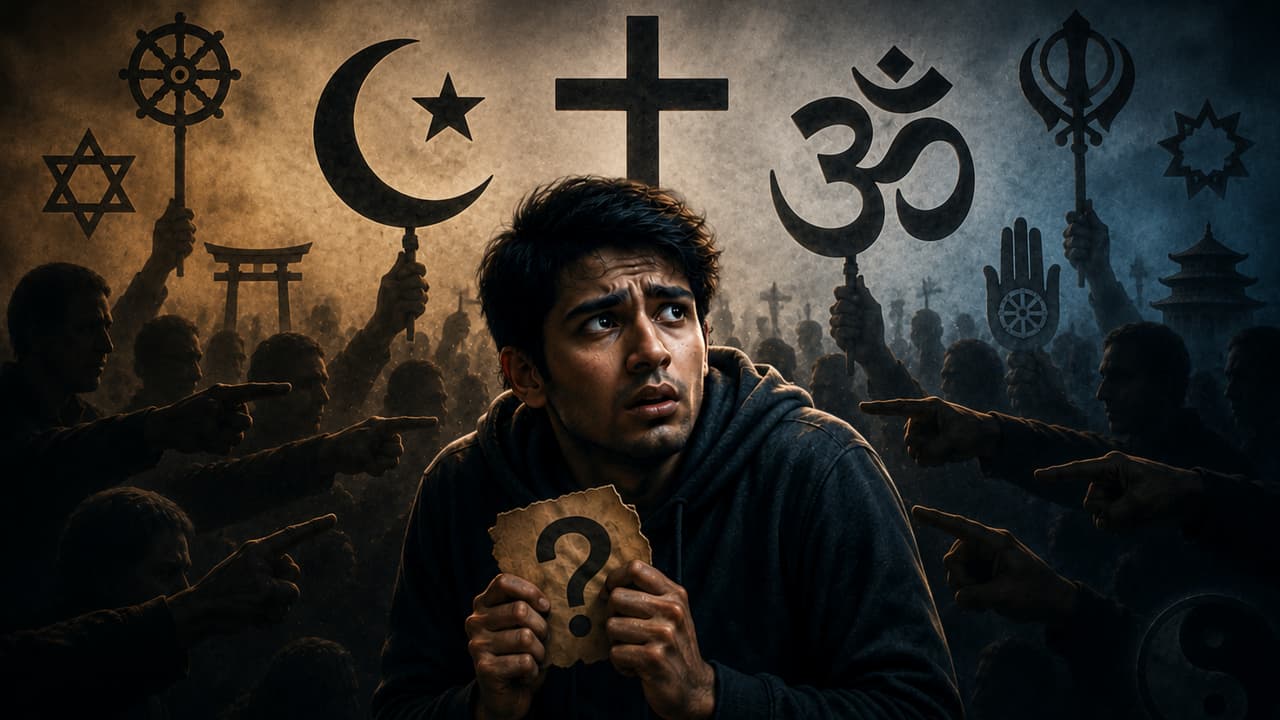
Human beings are born into uncertainty, surrounded by beliefs, identities, and social conditioning that offer ready-made answers to fundamental questions. Real spirituality begins not with accepting collective or personal beliefs, but with honestly examining one’s own suffering, fears, and false identities. The journey is not toward comforting ideas, but toward self-inquiry, where truth is discovered through questioning, observation, and the gradual rejection of illusion.

A society that loses its sense of sacredness begins to see every person and profession as merely transactional. When truth is replaced by the pursuit of happiness and consumption, trust erodes and cynicism becomes the norm. Doctors, teachers, and institutions are no longer respected but viewed with suspicion. The deeper crisis is not medical or social but philosophical: without self-understanding, people become consumers first and human beings second. True respect can return only when truth, integrity, and inner education become more important than personal gain.

Science and philosophy arise from different kinds of inquiry. Matter seeks continuity of state, while the ego seeks continuity of existence and constantly changes identities to preserve itself. Fear, danger, and suffering are rooted in the ego’s sense of “I,” not in material reality itself. Questions are valuable because they expose hidden beliefs, and genuine learning requires challenging assumptions through inquiry, dialogue, and self-examination.

व्यक्ति और उसके माता-पिता दोनों अक्सर प्रेम के नाम पर एक-दूसरे पर अधिकार जताते हैं, जबकि संबंधों में निर्णय सम्मान, समझ और स्वतंत्रता पर आधारित होने चाहिए। वयस्क होने के बाद जीवन के महत्वपूर्ण फैसले स्वयं लेने की क्षमता विकसित करना आवश्यक है। सच्ची परवरिश निर्भरता नहीं, आत्मनिर्भरता पैदा करती है। पारिवारिक दबाव का बड़ा हिस्सा प्रेम से नहीं, बल्कि भय, सुविधा, अपेक्षाओं और स्वार्थ से संचालित होता है। स्वस्थ संबंध वहीं संभव हैं जहाँ दोनों पक्ष एक-दूसरे की चेतना, स्वतंत्रता और गरिमा का सम्मान करें।

Inner freedom becomes impossible when identity is borrowed from family, friends, or social expectations. Fear, guilt, and pressure arise because people allow others to define their worth and choices. Relationships become healthy only when they support growth rather than control it. Real autonomy comes from self-understanding, continuous inner inquiry, and the courage to act from clarity rather than conformity. When there is inner certainty, labels, criticism, and social judgment lose their power.

गरीबी केवल बाहरी परिस्थितियों से नहीं, बल्कि गलत सोच, अंधविश्वास, भाग्यवाद और अविवेकपूर्ण आदतों से भी बढ़ती है। शिक्षा, जिम्मेदारी और सही मूल्यों की कमी इंसान को पीढ़ियों तक गरीब बनाए रखती है। कर्मकांड, दिखावा और बिना समझ के खर्च आर्थिक संकट को गहरा करते हैं। बदलाव तभी संभव है जब व्यक्ति अपनी बुद्धि, विवेक और जिम्मेदारी के साथ सही निर्णय लेना शुरू करे।

Will another revolution really change anything, or are we just changing faces while keeping the same consciousness intact? The article argues that societies often rush toward rebellion because it feels easier than responsibility. We blame systems, governments, and institutions, but the deeper crisis lies in the collective ego that creates them. Without inner education and self-understanding, every revolution risks becoming another cycle of the same story.

क्या सचमुच FOMO और YOLO सिर्फ़ Gen Z की समस्या हैं, या ये मनुष्य के पुराने डर के नए नाम हैं? जब भीतर खालीपन हो, तो बाहर की हर चीज़ छूटती हुई लगती है। फिर जीवन एक दौड़ बन जाता है, जहाँ “और चाहिए” कभी ख़त्म नहीं होता। समस्या वस्तुओं की कमी नहीं, उस अहंकार की है जो हमेशा अधूरा महसूस करता है। जब तक स्वयं को नहीं जानोगे, तब तक हर चाह एक नई बेचैनी बनती रहेगी।

TCS जैसे मामलों पर पूरा देश कुछ दिनों तक हैरान होता है, लेकिन क्या सच में ये घटनाएँ नई हैं! कार्यस्थलों पर शोषण, करियर के नाम पर चुप्पी, धर्म को पहचान और सत्ता का हथियार बना देना, और भीतर से डरा हुआ इंसान... ये सब उसी समाज से निकलता है जिसे हमने सामान्य मान लिया है। सवाल सिर्फ़ कानून या सिस्टम का नहीं, इंसान की चेतना और परवरिश का है।

आप आस्था खोज रहे हैं, पर क्या आस्था कभी ज़बरदस्ती पैदा होती है? आस्था फूल है, जो सही बीज, सही मिट्टी और सही संगति मिलने पर अपने आप खिलती है। शुरुआत श्रद्धा से नहीं, जिज्ञासा से होती है। सम्मान से नहीं, संदेह से होती है। परखिए, पूछिए, प्रयोग करिए। जहाँ वास्तविक लाभ होगा, वहाँ आस्था अपने आप जन्म लेगी, बनावटी नहीं।

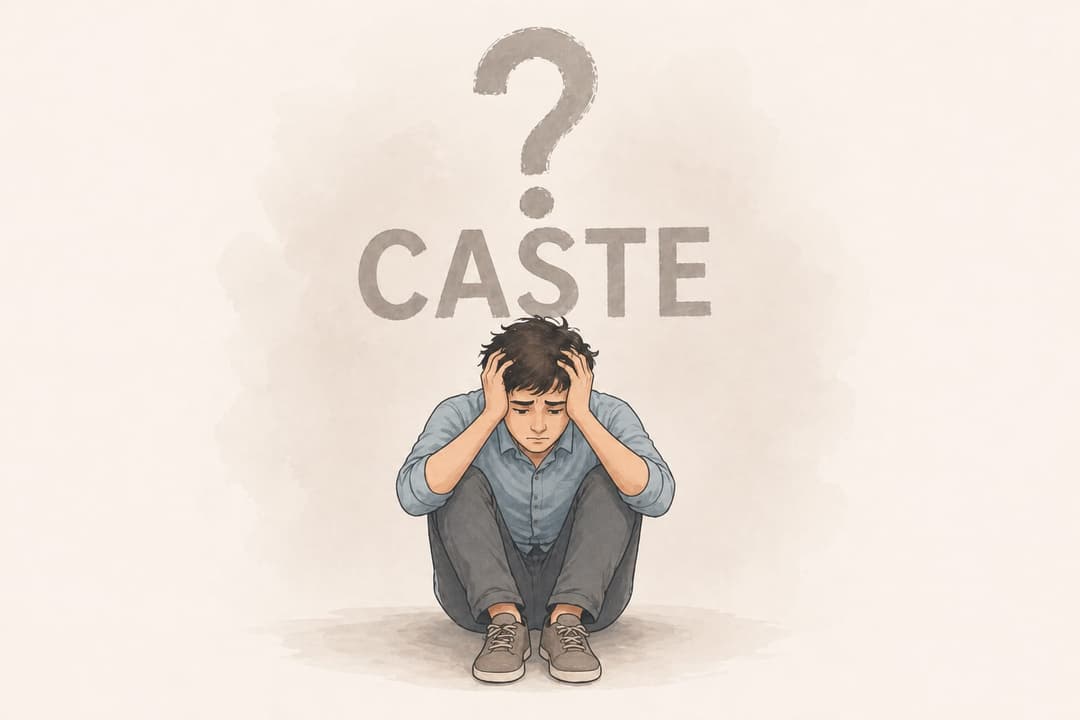
Do you still feel the need to know someone’s caste? That urge itself is the problem. Caste exists neither in the body nor in consciousness; it is a construct of the mind. Society keeps it alive because the ego thrives on division. Until you see a person simply as a person, caste will persist. The real solution lies in understanding and dropping inner ignorance.

आस्था और ज़िम्मेदारी अलग नहीं हैं; सच्ची आस्था खुद ज़िम्मेदारी बन जाती है। धर्म के नाम पर प्रकृति का नुकसान और अंधविश्वास, धर्म नहीं बल्कि अज्ञान है। वास्तविक धर्म समझ और सत्य पर आधारित है, न कि परंपराओं की अंधी नकल पर। अंधविश्वास पर प्रश्न उठाना धर्म के खिलाफ नहीं, बल्कि उसे बचाने का काम है।

युद्ध, मुनाफाखोरी और हिंसा का मूल कारण अहंकार है, जो अपने स्वार्थ के लिए दूसरों ही नहीं, स्वयं को भी नष्ट कर सकता है। समाज अपनी बुराई को स्वीकार नहीं करता और खुद को अच्छा मानकर धोखे में जीता है। इसी अज्ञान से शोषण, युद्ध और अन्याय चलते रहते हैं। समाधान केवल आत्म-अवलोकन और भीतर की सच्चाई को ईमानदारी से देखने में है।

Global conflicts stem not from geopolitical interests but from the ego's fundamental incompleteness. Nations are merely expressions of collective egoic consciousness. Leaders represent humanity's worst tendencies, not its average. The ego requires duality and boundaries to survive. True disarmament means detoxifying the ego itself. External wars reflect internal disturbance. No diplomatic solution addresses the root cause, only wisdom and self-knowledge can dissolve the ego's need for conflict and separation.

आचार्य प्रशांत कलिंग में युवाओं से संवाद करते हैं। वे कहते हैं कि दर्शन सत्य की खोज है, जो आत्म-अनुसंधान से शुरू होती है। परंपरा सदा से चली आ रही है, बस रूप बदल गया है। विकृत धर्म बाजार बन गया है। युवाओं को अपनी बीमारी पहचानी चाहिए। सोशल मीडिया एल्गोरिदम मन को नियंत्रित कर रहा है। सच्चा शिक्षक वह है जो आपकी झूठी धारणाओं को चुनौती दे।

The one who is religion-less. A real Hindu does not have any religion. To go beyond all religions is to be a Hindu. There are religions that are on one plane, and then there is Sanatan Dharma, which is another dimension — the eternal religiousness. Liberation from religion is religiousness. Sanatan Dharma is awakened intelligence.

Listener: (Reading a quote of Acharya Prashant from a quote-calendar)
What lies beyond mind?More mind.What is more mind?What and lies and mind.Questions, perceptions on the concept of the mind.
Acharya Prashant: Any question about beyondness would be a useless question because the question itself is coming…

तुम्हारे घर में कोई चीज़ अँधेरे में रखी थी, कोई आकर उस पर थोड़ी रोशनी डाल सकता है। उस पर थोड़ा प्रयोग करके बता सकता है कि ये चीज़ सड़ी हुई है। उसके आगे का काम तो तुम्हारी नीयत का है। उसको उठा के बाहर तुम्हें ही फेंकना पड़ेगा। नीयत, फ़ैसला, ईमानदारी, इनका कोई विकल्प नहीं होता। डूबे रहो इधर-उधर की चीज़ों में, वासना हो, डर हो। जिस दिन तुम जलोगे, उस दिन डर और वासना भी जल जाएँगे। कहानी कभी न कभी तो ख़त्म होनी है। या तो ख़ुद अभी ख़त्म कर लो, नहीं तो चिता पर ख़त्म हो जाएगी। मर्ज़ी है।

The only principle that truly runs this world, created by all of us, is the principle of greed and power. What do you think that fellow has earned his billions for? He didn't become a politician to be noble. The only thing that separates us from animals is the intellect, not the center the intellect is operated from. Don't locate the problem and the responsibility somewhere out there. We change ourselves; the world changes.

सामंजस्य, एडजस्टमेंट नहीं कर लेना चाहिए। जहाँ किसी तरीके से झुकना भी पड़े, दबना भी पड़े, डरना भी पड़े, वहाँ कम से कम अपने लिए नापसंद तो उठे। इतना तो हो कम से कम। मेरे भी थे ऑफिस में लोग, जिनको न चाहते हुए भी ‘सर’ बोलना पड़ता था। बहुत लंबे समय तक नहीं बोला, पर जितने समय तक बोला, उतने समय तक बोलना भी ऐसा था कि सिर भनना जाए।

किसी महिला को पढ़ाई, नौकरी, खेल से वंचित कर दिया गया, यह अत्याचार नहीं है क्या? पर इन अत्याचारों को तो हम अत्याचार मानते ही नहीं। चूँकि हमने महिला की पूरी आइडेंटिटी को उसकी सेक्सुअलिटी से ही बाँध दिया है। उसी का नतीजा यह होता है कि कहीं पर भी दंगा-फसाद हो, उसमें महिलाओं का बलात्कार अक्सर देखने को मिलता है। लेकिन महिला सिर्फ अपने जेंडर या सेक्स से तो आइडेंटिफाइड नहीं होती न! हमें उसके व्यक्तित्व के बाकी आयामों को भी सम्मान देना सीखना होगा।

समसामयिक हिन्दू धर्म पुराणों, स्मृति ग्रंथ और स्थानीय क़िस्म की परंपराओं पर चल रहा है। वो हिन्दू धर्म है ही नहीं। हिन्दू धर्म से अगर हमारा आशय है वेदों के दर्शन पर आधारित धर्म, तो हिन्दू धर्म न अगड़ा है, न पिछड़ा है; हिन्दू धर्म एकमात्र धर्म है। धर्म तो एक ही है, ये जो दुख में बैठा हुआ है, इसका दुख दूर करना। बाक़ी सब कुछ किसी धर्म, पंथ, मज़हब में हो रहा हो, वो सब अंधविश्वास है। हिन्दू धर्म कहता है, “वो है कौन जो दुःखी है? प्रश्न करो, और प्रश्न का जवाब परंपरा नहीं, प्रयोग देगा।”

अध्यात्म की रोशनी जीवन के हर क्षेत्र पर पड़ती है, तो राजनीति पर भी पड़ेगी ही पड़ेगी। ऐसा कुछ नहीं है कि आध्यात्मिक आदमी राजनीति के प्रति अंधा हो जाता है। बल्कि हक़ीक़त तो यह है कि राजनीति को आध्यात्मिक लोगों की बहुत सख़्त ज़रूरत है, क्योंकि राजनेता ताक़त की ऐसी गद्दियों पर बैठते हैं, जहाँ से वो आपके जीवन को बहुत तरीके से प्रभावित करते हैं। राजनेता अगर आध्यात्मिक नहीं है, तो देश रसातल में जाएगा। राजनीति त्यागनी नहीं है, सही राजनीति करनी है।