Jesus is not a hater of persons. He is saying hate the way you have become. The Bible is not a document of hate, the central message is of Love. But when we love, we chain each other. When God loves us, He sets us free. So Jesus is saying to hate the way we relate to each other — because our love is not Godly. Love each other just as God the Father has loved you.


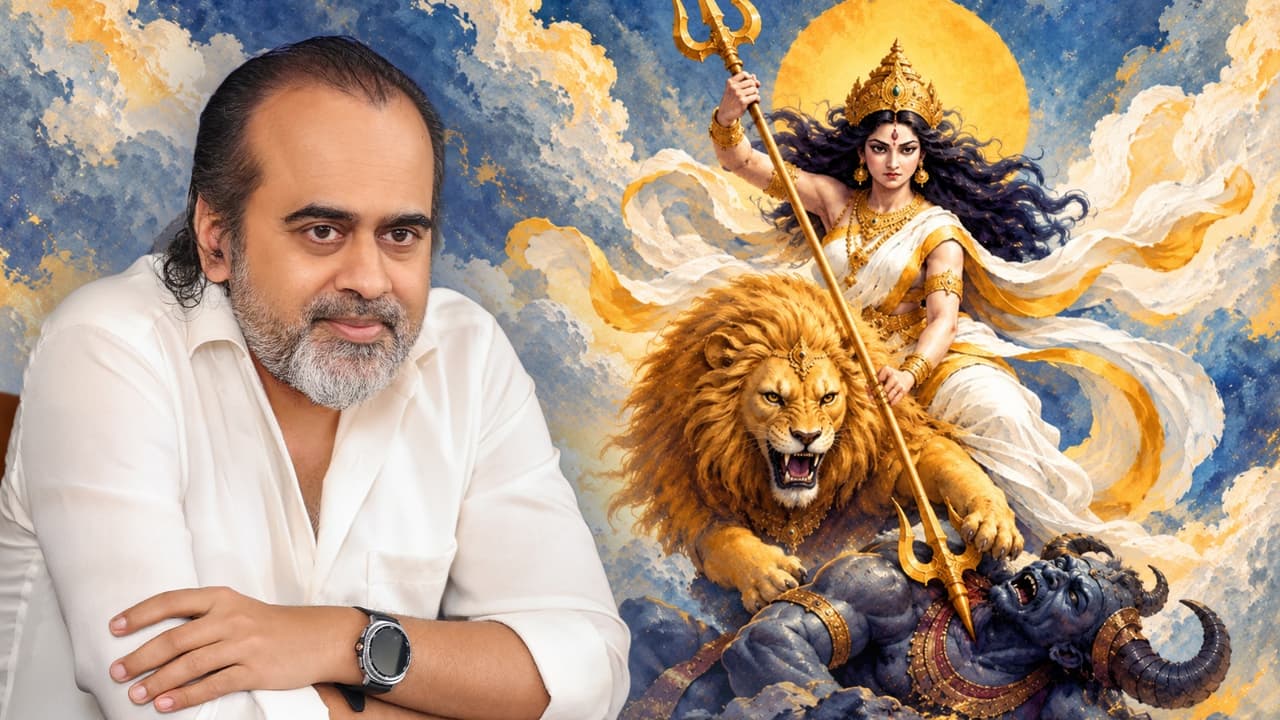
नवरात्रि में देवी और असुरों की कथा पढ़कर सवाल उठता है: जब दोनों ही प्रकृति हैं, तो लड़ाई किससे है? लड़ाई प्रकृति से नहीं, उस अधूरेपन से है जो मानता है कि दुनिया को भोगकर वो पूरा हो जाएगा। देवता और असुर दोनों यही चाहते हैं। अंतर बस इतना है कि चोट खाकर देवता देखते हैं और लौट आते हैं, असुर फिर वही दोहराते हैं। हम भी रोज़ भोजन, लोगों और चीज़ों से पूरा होने की उम्मीद करते हैं। और ‘सब ब्रह्म है’ कहकर विवेक छोड़ देना भी उसी अहंकार की चाल है। चोट हमें भी लगती है; क्या हम उससे सीखते हैं?

Many of us interrupt, rush to make our point, or change the topic when a conversation comes too close. We call it a lack of patience or discipline. But impatience in a conversation is often fear: when what we hold within is borrowed belief, every question could shatter it. The same confusion makes us take our instincts and feelings as ourselves, though they are only the body’s chemistry. If we looked honestly at what we hold, would a question still feel like an attack?
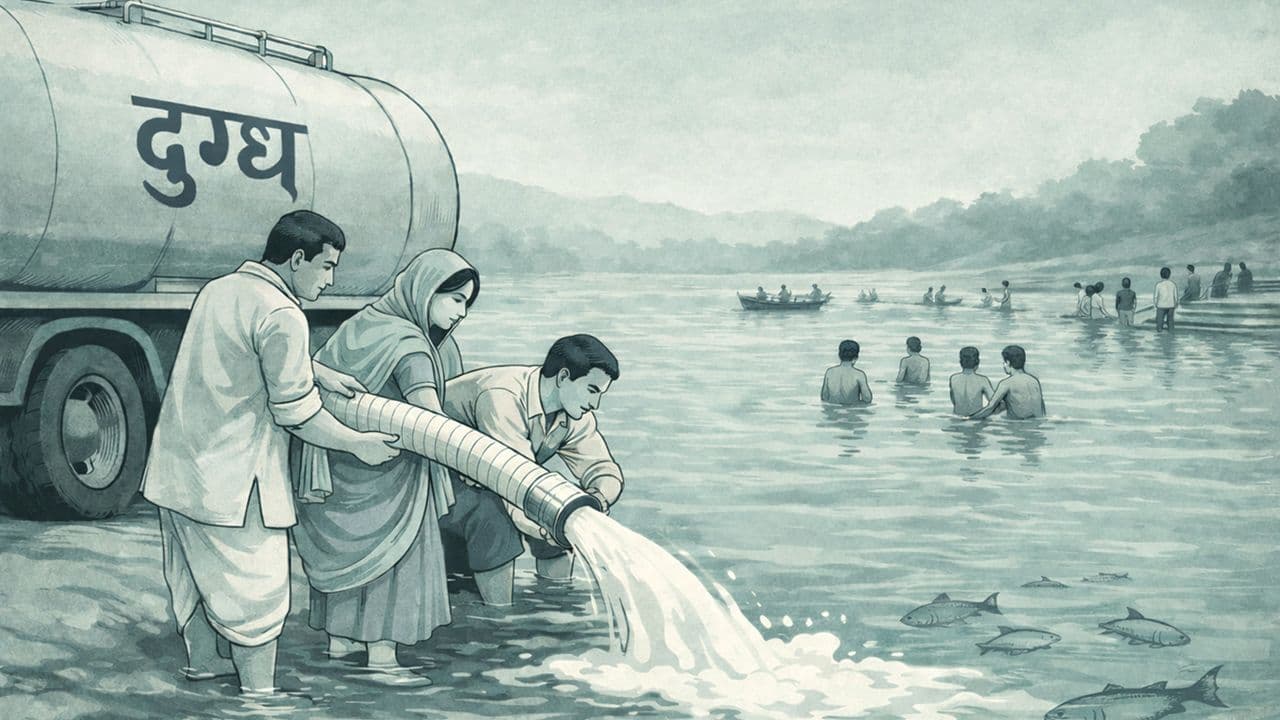
नवरात्रि में हम देवी की पूजा करते हैं और महिषासुर को बाहर का कोई दैत्य मान लेते हैं। पर दुर्गा सप्तशती का दूसरा चरित्र हमारी अपनी वृत्ति की कथा है। जो मन प्रकृति को केवल भोगने की वस्तु मानता है, जंगल काटता है, नदियाँ दूषित करता है, पशुओं को खाता है और कहता रहता है कि मुझे और चाहिए, वही महिषासुर है। त्यौहार उसी के वध के लिए है, उसे भोग लगाने के लिए नहीं। क्या इस नवरात्रि हम अपने भीतर के महिषासुर को पहचानेंगे?

सच की राह पकड़ते ही अक्सर अपने ही लोग बदल जाते हैं, और हम मान लेते हैं कि शायद हम ठीक से समझा नहीं पा रहे। पर सामने वाला समझ तो रहा होता है, उसे बस सौदा नहीं जँचता। अहंकार लेन-देन से चलता है, इसलिए अकेले तर्क उसे नहीं हिलाते। हमारा अपना अहंकार भी यही करता है: थोड़े-से स्वार्थ के लिए हम झूठे रिश्तों में मिठास का स्वांग करते हैं, मजबूरियाँ गिनाते हैं और पीछे हट जाते हैं। जिसे हम मजबूरी कहते हैं, क्या वह सच में मजबूरी है?

Many Indian parents keep their children, and especially their daughters, away from sport, even where coaches and facilities exist. The barrier is often not outside but in the parent’s own ideas: poor returns, uncertainty, and fixed notions of what a girl’s life must be. Blaming our own parents does not help either; our life is now our responsibility. Parenting is a decision of the greatest responsibility, and it begins with self-love. Can we love a child if we cannot love ourselves?

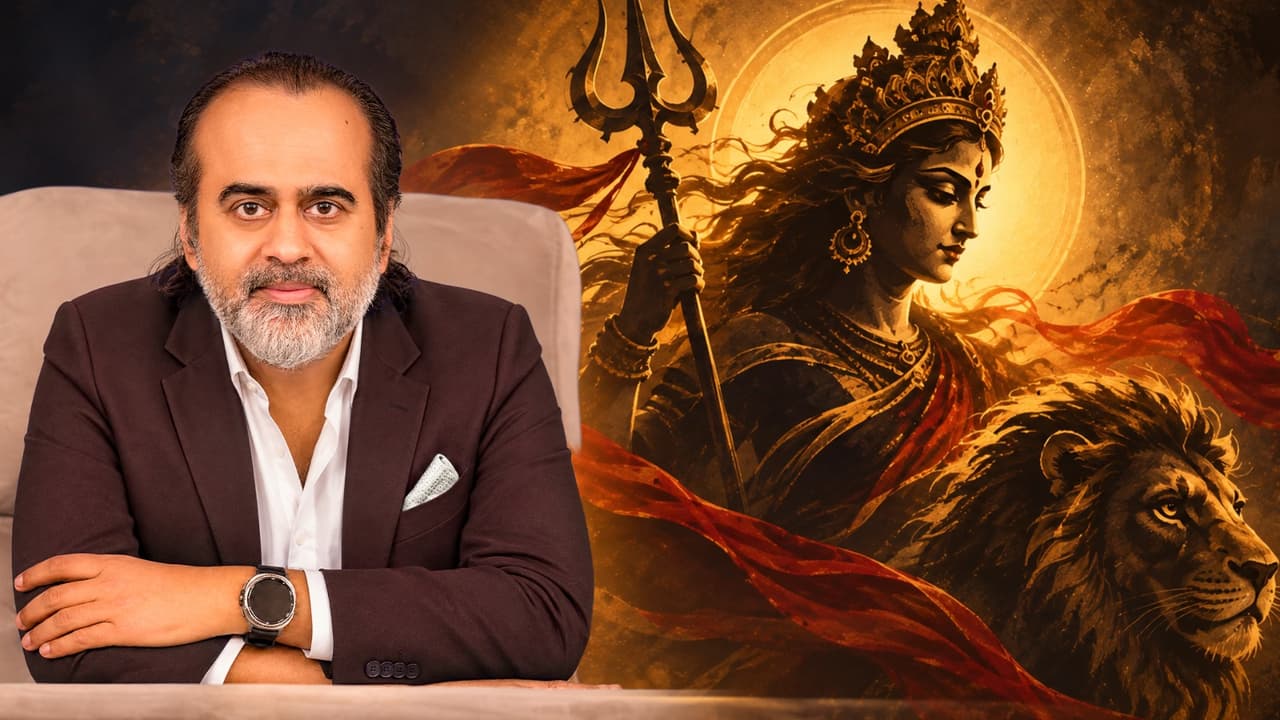
नवरात्रि आते ही हम सोचने लगते हैं कि क्या खाना है, क्या नहीं खाना, कौन-सा हवन करना है। पर व्रत का अर्थ है संकल्प, और शुभ संकल्प एक ही है: हम जैसे हैं, वैसे न रहें। इसीलिए ये नौ दिन दुर्गा सप्तशती को समझने के लिए हैं, केवल रस्मों के लिए नहीं। जिसे हम माँ कहते हैं, वह यह पूरी प्रकृति है, और उसके ही बच्चों को चोट पहुँचाकर उसका पर्व नहीं मनाया जा सकता। क्या इस बार हम नौ दिन अपने ही जीवन को ईमानदारी से देख पाएँगे?

Sisyphus pushes a rock up a hill forever, knowing it will always roll back down. A regular workman does the same thing inside a job: he keeps pushing too, except he hopes it will eventually pay off, a promotion, a house, a better life. This hope is often just a comfortable lie. Sisyphus, who expects nothing and still keeps going, is actually more honest than we are. The real question is not whether the effort is worth it, but whether we can stop lying to ourselves about it.

प्रेम की गहराई हमेशा प्रेमी की अपनी चेतना जितनी होती है — जो जैसा है, उसका प्रेम भी वैसा ही होगा, चाहे उसे कितना भी पावन या अनोखा क्यों न मान लिया जाए। जिस चेतना ने खुद को कभी गहराई से नहीं जाना, वह प्रेम में भी सतह से आगे नहीं जा सकती। जो कोई अपने प्रेम को गहराई से परखने से बचता है, वह असल में खुद को परखने से बच रहा होता है — और यही बचाव, प्रेम के नाम पर पाला गया एक और भ्रम है।

We often call something “help” or “love” while secretly expecting something in return. When that return does not come, we feel hurt, revealing that the relationship was a trade, not genuine help. The ego, being unfulfilled, cannot truly love or share. Likewise, desperation to be loved makes us controllable. Real love emerges when we stop seeking validation, work on ourselves, and become so inwardly fulfilled that we no longer need to be loved.

Reaction is an instinctive, unconscious response rooted in ancient survival mechanisms, while response arises from consciousness and understanding. Our biological instincts evolved for survival, but modern life demands that we move beyond them. Emotional reactivity makes us predictable and controllable, allowing others to manipulate our emotional triggers. True freedom lies in pausing before reacting, examining emotions, thinking deeply, and responding consciously rather than living as slaves to instinct.

एक-से-एक पिक्चरें रिलीज़ होती हैं; दो-सौ, चार-सौ, छः-सौ करोड़ जा रही हैं, वो तुम्हारी जेब से ही तो जा रहा है। वो छः-सौ करोड़ का बिज़नेस कैसे किया पिक्चर ने? पिक्चरें जो इतना पैसा बनाती हैं उनको देखने फोर्ब्स पाँच-सौ वाले तो आते नहीं, या आते हैं? रेस चार, गोलमाल…

सोमवारी और काँवड़ यात्रा का बाहरी आयोजन तभी सार्थक है जब उसका संबंध शिवत्व और सत्य से हो। केवल भीड़, दिखावे, मांसाहार छोड़ने की औपचारिकता या पुत्र की कामना को धर्म मान लेना वास्तविक धर्म नहीं है। काँवड़ियों को दोष देने के बजाय उस सामूहिक मानसिकता को देखना चाहिए जो ऐसे कर्मों को जन्म देती है। धर्म का उद्देश्य लोकधर्म की रूढ़ियों को बढ़ाना नहीं, बल्कि विवेक और समझ के द्वारा उनसे मुक्त करना है।

True freedom begins when we question the beliefs that make us feel trapped. Most of our suffering comes not from circumstances but from unquestioned assumptions, attachments, and imagined obligations. By suspending our beliefs, even briefly, we allow truth to enter, revealing that life always offers choice. Transformation is born from love for truth, the courage to let go, and the willingness to step beyond the boundaries created by the ego.

True love is not a biological instinct, emotional attachment, or social conditioning. Biology and science explain the body's drives, but they cannot explain the self that seeks freedom. Love is the inner restlessness to move from ignorance and bondage toward truth and liberation. Religion is not rituals or inherited beliefs but this personal journey of understanding. Freedom—not possession or conformity—is the essence of both love and religion.

प्रेम का मार्ग सुरक्षा नहीं, बल्कि घायल होने का साहस माँगता है। जो चोट, हार, पीड़ा और ठगे जाने से डरता है, वह सत्य और प्रेम तक नहीं पहुँच सकता। अहंकार हर कीमत पर जीत चाहता है, जबकि प्रेम हारना, झुकना और दर्द को स्वीकारना सिखाता है। जो छोटी-छोटी हारों का अभ्यास करता है, वही अंततः अहंकार हारकर हरि को पा सकता है। सच्ची शक्ति दूसरों को हराने में नहीं, बल्कि प्रेम के लिए स्वयं घायल होने में है।

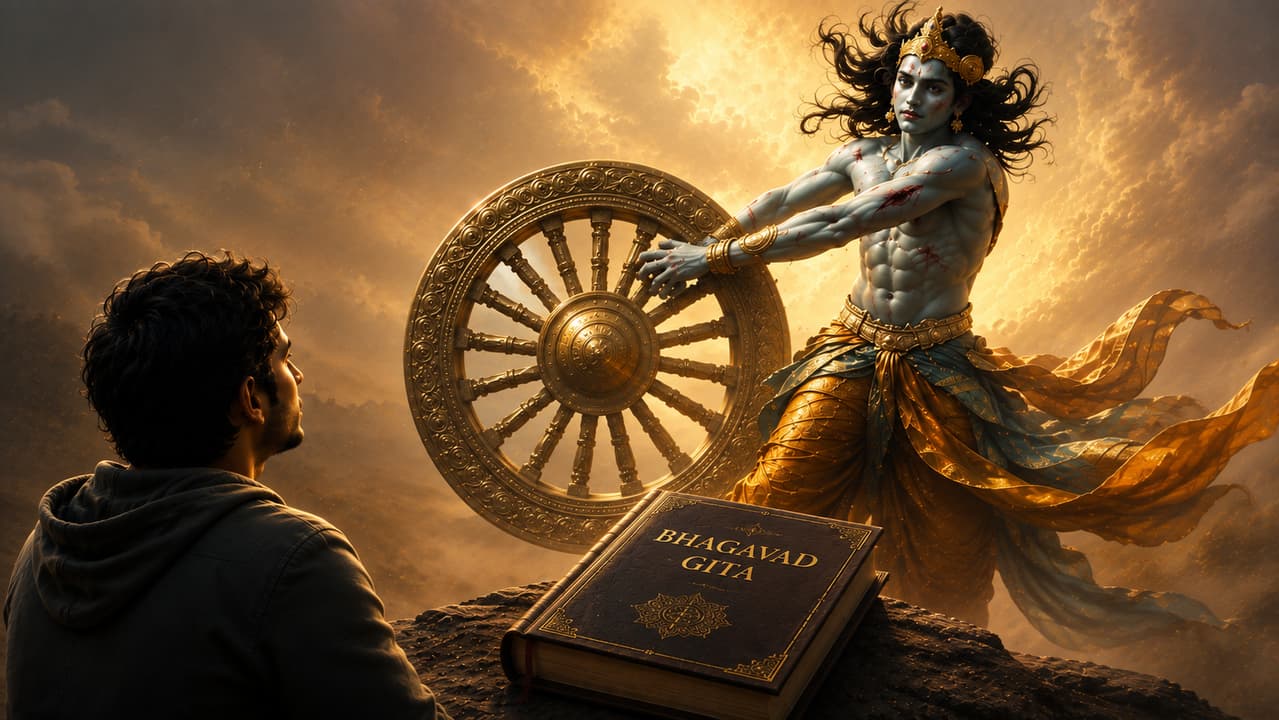
The Bhagavad Gita deserves reverence not because of inherited beliefs about its author, but because of its power to dissolve falsehood and reveal Truth. Real devotion is not ritual or blind faith—it is understanding, inquiry, and living the wisdom of the Gita. Through sincere study, one discovers the true meaning of Krishna, making the Gita the most authentic path to knowing and worshipping Him.

Truth cannot be forced upon anyone, but neither should falsehood be entertained. Genuine love is not about preserving relationships at any cost; it is about helping oneself and others break free from illusion, even if that means risking the relationship itself. Spiritual growth begins by questioning conditioning, examining falsehood without bias, and choosing authenticity over comfort. Real relationships are built on the courage to seek freedom, not convenience.

समझदारी याददाश्त से नहीं, समझ से आती है। जीवन हर पल नए प्रश्न पूछता है, इसलिए रटे हुए उत्तर नहीं चलते। जानकारी बाहर से मिल सकती है, पर सही उत्तर तभी जन्म लेते हैं जब मन वर्तमान में पूरी तरह उपस्थित हो। जो समझ में न आए उसे रटने के बजाय प्रश्न करो, जिज्ञासु बने रहो। सीखने का सार स्मृति नहीं, जागरूकता, समझ और वर्तमान क्षण में जीने की क्षमता है।

धर्म का अर्थ अंधविश्वास या मान्यताओं को मान लेना नहीं, बल्कि निर्भीक जिज्ञासा और सत्य की खोज है। बच्चों पर धार्मिक नियम थोपने के बजाय उन्हें प्रश्न पूछने की पूरी स्वतंत्रता मिलनी चाहिए। भय, शर्म और अपराधबोध पर आधारित धार्मिक संस्कार व्यक्ति को सत्य से दूर और देह-केंद्रित बना देते हैं। सच्चा धर्म हर मान्यता की निष्पक्ष जाँच, तथ्य के प्रति ईमानदारी और आंतरिक स्वतंत्रता का नाम है। प्रश्नचिह्न ही धार्मिकता का सबसे बड़ा प्रतीक है।

The Bhagavad Gita is not a separate spiritual path or an escape from everyday life - it is a mirror that reveals the truth of your present life. Real spirituality begins with self-observation, not rituals or temporary practices. Lasting transformation comes when work, relationships, career, and personal growth become one integrated life driven by awareness, love, and freedom rather than ego, fear, money, or social pressure.

श्रीकृष्ण, श्रीराम और अन्य अवतारों को केवल उनके मानवीय जीवन से समझना भ्रम पैदा करता है। साकार रूप सीमित होता है, जबकि उसका उद्देश्य मनुष्य को निराकार सत्य की ओर ले जाना है। देह, परिवार या घटनाओं में कमियाँ खोजने के बजाय उनके संदेश का सार समझना आवश्यक है। विवेक, कृतज्ञता और सही दृष्टि ही आध्यात्मिक समझ का आधार हैं, जबकि हर बात में दोष ढूँढ़ना केवल अहंकार को पोषित करता है।

डर और जड़ता से बाहर निकलने का रास्ता किसी बड़े बदलाव से नहीं, बल्कि एक छोटे-से सही कदम से शुरू होता है। अपनी समस्याओं का बार-बार विश्लेषण और वर्णन करने के बजाय उनसे दूर जाने का निर्णय आवश्यक है। सत्य के प्रति प्रेम जागने पर भय अपने-आप पीछे छूट जाता है और साहस जुटाना नहीं पड़ता। सही संगति, अनुकूल वातावरण और आत्मिक विकास के अवसरों को अपनाने से परिवर्तन सहज होने लगता है। अपनी कमजोरियों से मोह रखने के बजाय उनके प्रति वैराग्य विकसित करना ज़रूरी है। शिकायत, बहाने और आत्म-दया में उलझे रहने से कुछ नहीं बदलता; निर्णायक कर्म, सत्य के प्रति प्रेम और वर्तमान स्थिति के विरुद्ध विद्रोह ही ऊँचे जीवन की वास्तविक शुरुआत हैं.

Bullying hurts deeply only when it is allowed to define one's inner identity. External abuse may wound the body, but lasting psychological wounds require inner participation. While OCD, anxiety, depression, schizophrenia, and other mental health conditions deserve proper treatment through psychiatry, lasting freedom demands self-knowledge.

प्रेम कोई सामाजिक स्वीकृति, विवाह या रोमांटिक आकर्षण नहीं, बल्कि अहंकार के मिटने की प्रक्रिया है। सच्चा प्रेम अनुमति नहीं मांगता और न ही हार्मोन या परंपरा से पैदा होता है; वह सत्य और मुक्ति की ओर भीतर की यात्रा है। इसी तरह अहंकार सफलता पाने के लिए खुद को नहीं मिटा सकता — क्योंकि जब तक "मैं" बना हुआ है, तब तक हर त्याग, चाहे परिवार का हो, मित्रों का हो या स्वास्थ्य का, अहंकार का ही एक रूप रहता है। सही कर्म योजना बनाकर नहीं, बल्कि झूठे प्रभावों और बंधनों से मुक्त होकर स्वतः प्रकट होता है।

लोग अपनी राय की रक्षा इसलिए नहीं करते कि वह सत्य है, बल्कि इसलिए क्योंकि भीतर से उन्हें उसकी कमजोरी का पता होता है। झूठ सबसे जल्दी आहत होता है और सच से डरता है। इसलिए सत्य बोलने पर यदि कोई टूटता है, तो उसके झूठ के लिए स्वयं को दोषी नहीं मानना चाहिए। जहाँ वास्तव में गलती हो, वहाँ विनम्र बनें; लेकिन सत्य के पक्ष में खड़े होने के लिए अपराधबोध या दूसरों की नाराज़गी का बोझ उठाना आवश्यक नहीं है।

आत्मज्ञान के बिना समाज, पर्यावरण या किसी भी बाहरी समस्या का स्थायी समाधान संभव नहीं, क्योंकि हर संकट की जड़ मनुष्य की चेतना में है। बाहरी सुधार, नीतियाँ या अभियानों की अपनी भूमिका है, लेकिन वे मूल कारण को नहीं बदलते। इसलिए सबसे आवश्यक कार्य है स्वयं को बदलना और सत्य के प्रति गंभीर होना। जो व्यक्ति सत्य के प्रति उदासीन है, उससे स्वीकृति या मान्यता की अपेक्षा करना भी व्यर्थ है।

Love is not a special emotion reserved for selected people or relationships but a way of relating free from self-interest, possession, and psychological dependence. Most relationships become transactions driven by insecurity, where the ego seeks completion through ownership and exchange. Genuine companionship arises without the urge to control or claim another, allowing affection to exist naturally, freely, and without conditions or expectations.

Real change begins not by changing the world alone but by understanding the one trying to change it. Laws, technology, policies, and scientific progress have value, yet they cannot solve problems rooted in human consciousness and endless desire. Truth remains the same across cultures and disciplines, requiring only a change in language, not in essence. Lasting solutions emerge through honesty, self-inquiry, and inner transformation, because no external system can replace a change in the human mind.

Human beings are born into uncertainty, surrounded by beliefs, identities, and social conditioning that offer ready-made answers to fundamental questions. Real spirituality begins not with accepting collective or personal beliefs, but with honestly examining one’s own suffering, fears, and false identities. The journey is not toward comforting ideas, but toward self-inquiry, where truth is discovered through questioning, observation, and the gradual rejection of illusion.

Modern relationships often create more insecurity, not less, because people are conditioned to seek completion, validation, and identity through another person. Social institutions, media, culture, and tradition continuously reinforce the idea that fulfillment lies in romantic attachment. As a result, relationships become driven by dependence rather than love. Real companionship becomes possible only when one is inwardly at peace and not using another person to fill an inner void.

डेटिंग ऐप, कुंडली मिलान और “मेरी पसंद” जैसी धारणाएँ अक्सर प्रेम नहीं, बल्कि डर, सामाजिक कंडीशनिंग और अहंकार से संचालित होती हैं। परंपरा के दबाव में किया गया चुनाव और केवल व्यक्तिगत पसंद पर आधारित चुनाव, दोनों ही भ्रमित हो सकते हैं। सच्चा प्रेम तब संभव होता है जब व्यक्ति स्वयं को जाने और ऐसा संबंध चुने जो उसके बंधनों, भय और अहंकार को चुनौती देकर उसे भीतर से मुक्त करे।

Operating from the highest inner point means living with honesty rather than self-created illusions. The ego becomes “higher” not through mystical growth but by dropping false self-images and testing its claims against reality. When honesty weakens, lower motives take control, creating inner conflict and disorder. Real growth lies in continuously questioning oneself, facing uncomfortable truths, and preventing the ego from being driven by comforting but deceptive beliefs.

Love is not attraction, possession, dependency, or a transaction driven by personal gain. As long as relationships arise from insecurity, ownership, or the desire for psychological completion, they remain centered on the ego. Love is simple, natural, and free of self-interest, flowing without preference or exclusion. The ego seeks security, continuity, and suffering because they preserve its identity, while freedom and joy threaten its existence. A meaningful life begins when one stops repeating old patterns, accepts uncertainty, and chooses freedom over the comfort of familiar cages.

रिश्तों में प्रेम को अक्सर जन्म, परिवार या सामाजिक भूमिकाओं से जोड़ दिया जाता है, जबकि अधिकांश संबंध अपेक्षाओं, स्वामित्व और तयशुदा व्यवहारों पर टिके होते हैं। केवल माता-पिता या संतान का रिश्ता होने से प्रेम नहीं जन्मता। प्रेम कोई जैविक घटना नहीं, बल्कि सीखने और समझने की प्रक्रिया है। जहाँ “मेरा” और “मेरे लिए” का आग्रह घटता है, वहीं प्रेम सीमाओं को लाँघकर स्वतंत्रता, करुणा और वास्तविक संबंध का रूप लेता है।

प्रदूषण केवल जानकारी की कमी से नहीं, बल्कि गलत इरादों, सुविधा-प्रियता और गैर-जिम्मेदारी से पैदा होता है। लोग प्रदूषण के बारे में जानते हुए भी उसे बढ़ाते हैं क्योंकि ज्ञान अपने आप में पर्याप्त नहीं है। नदियों, हवा और पर्यावरण को सचमुच स्वच्छ बनाने के लिए पहले मन और नीयत को स्वच्छ करना आवश्यक है। बाहरी गंदगी अक्सर भीतर की अव्यवस्था और असंवेदनशीलता का ही विस्तार होती है।

Climate change, population policies, and social conflicts often arise from a common source: narrow love. People, communities, and nations justify actions that benefit their own group while overlooking broader consequences for humanity and the planet. True care is not exclusive or identity-based; it is expansive and inclusive. Even motherhood, patriotism, and family concern can become limiting when reduced to narrow self-interest rather than guided by wisdom, freedom, and universal responsibility.

रिश्तों में प्रेम अक्सर मान लिया जाता है, पर अधिकांश संबंध तय भूमिकाओं, अपेक्षाओं और सामाजिक ढाँचों पर चलते हैं। माता-पिता, पति-पत्नी या परिवार के रिश्ते भी कई बार समझ, स्वतंत्रता और संवेदनशीलता से नहीं, बल्कि आदत, अधिकार और “मेरापन” से संचालित होते हैं। सच्चा प्रेम सीमित नहीं होता; वह स्वामित्व नहीं, बल्कि समझ, स्वतंत्रता और विस्तार देता है। प्रेम जन्म से नहीं, जागरूकता से सीखा जाता है।

आप आस्था खोज रहे हैं, पर क्या आस्था कभी ज़बरदस्ती पैदा होती है? आस्था फूल है, जो सही बीज, सही मिट्टी और सही संगति मिलने पर अपने आप खिलती है। शुरुआत श्रद्धा से नहीं, जिज्ञासा से होती है। सम्मान से नहीं, संदेह से होती है। परखिए, पूछिए, प्रयोग करिए। जहाँ वास्तविक लाभ होगा, वहाँ आस्था अपने आप जन्म लेगी, बनावटी नहीं।

आस्था और ज़िम्मेदारी अलग नहीं हैं; सच्ची आस्था खुद ज़िम्मेदारी बन जाती है। धर्म के नाम पर प्रकृति का नुकसान और अंधविश्वास, धर्म नहीं बल्कि अज्ञान है। वास्तविक धर्म समझ और सत्य पर आधारित है, न कि परंपराओं की अंधी नकल पर। अंधविश्वास पर प्रश्न उठाना धर्म के खिलाफ नहीं, बल्कि उसे बचाने का काम है।

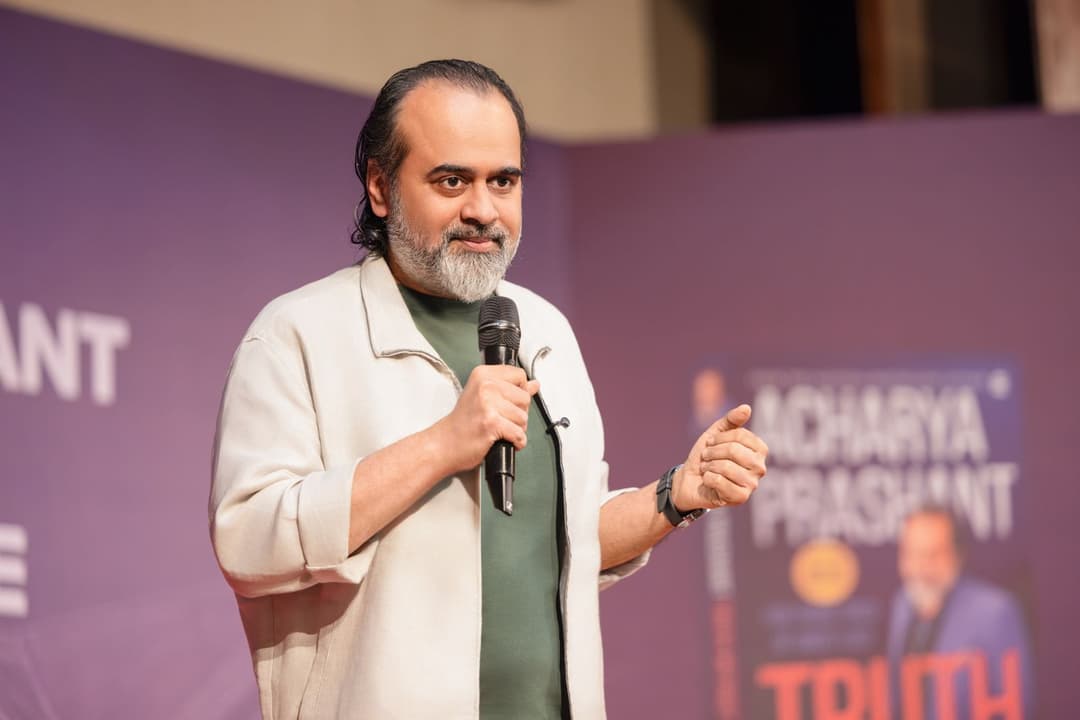
आचार्य प्रशांत कलिंग में युवाओं से संवाद करते हैं। वे कहते हैं कि दर्शन सत्य की खोज है, जो आत्म-अनुसंधान से शुरू होती है। परंपरा सदा से चली आ रही है, बस रूप बदल गया है। विकृत धर्म बाजार बन गया है। युवाओं को अपनी बीमारी पहचानी चाहिए। सोशल मीडिया एल्गोरिदम मन को नियंत्रित कर रहा है। सच्चा शिक्षक वह है जो आपकी झूठी धारणाओं को चुनौती दे।

अहंकार मनुष्य की मूल समस्या है। हम ज्ञान समझते हैं पर उस पर चल नहीं पाते क्योंकि अहंकार को अपनी पहचान के लिए दूसरों की आवश्यकता है। परिवार, समाज, विचारधारा से हम सौदा करते हैं - अपनी स्वतंत्रता बेचते हैं। सच्चा प्रेम स्वयं को और दूसरों को मुक्त करना है, न कि बंधन में रखना। ईमानदारी से अपने झूठ को देखना ही सत्य है।

प्रश्नकर्ता: आचार्य जी, जैसे मैं पहले ओशो जी और जिद्दू कृष्णमूर्ति जी के रंग में रंगा हुआ था और अब आपके रंग में रंगा हुआ हूँ। मुझे ये समझ नहीं आता कि यह मेरी जिज्ञासा मात्र है, प्रेम है या पागलपन?
आचार्य प्रशांत: जैसे आपने कहा था कि मन में…

The one who is religion-less. A real Hindu does not have any religion. To go beyond all religions is to be a Hindu. There are religions that are on one plane, and then there is Sanatan Dharma, which is another dimension — the eternal religiousness. Liberation from religion is religiousness. Sanatan Dharma is awakened intelligence.

Listener: (Reading a quote of Acharya Prashant from a quote-calendar)
What lies beyond mind?More mind.What is more mind?What and lies and mind.Questions, perceptions on the concept of the mind.
Acharya Prashant: Any question about beyondness would be a useless question because the question itself is coming…

अहंकार साधना भी करेगा तो इसलिए नहीं करेगा कि वो विसर्जित हो जाए, विगलित हो जाए, मिट जाए। वो साधना भी करेगा, श्रम भी करेगा तो इसीलिए करेगा कि वो बचा रहे बल्कि अमर हो जाए।

थोड़ी जीवन में ठसक होनी चाहिए, एक्सक्लूसिविटी। एक शान, ऐरी-गहरी चीज़ों को भाव नहीं देना, ऐरे-गैरों को मुँह नहीं लगाना। “तू क्यों है ऐरा-गैरा?” मैं तेरा अपमान नहीं कर रहा हूँ। मैं तुझे प्रेरणा दे रहा हूँ। क्योंकि मुझे पता है तू भी वही संभावना रखता है, जो किसी ऊँचे-से-ऊँचे व्यक्ति में है। तू अपनी संभावना क्यों नहीं साकार कर रहा? और जिस दिन तक तू अपनी संभावना साकार नहीं करता, उस दिन तक मैं तुझे स्वीकार नहीं करता।

Love has to be seen as the need of the mind, the attraction of the mind towards Peace, towards rest. All attraction is there only with a desire; the hope is of fulfilment. So when the mind says ‘love’, along with love it has a picture of love. How do you know that somebody loves you? Only if he behaves according to set patterns. When real love comes to us, we close our gates to it. Love is not with a particular man or woman; Love is the natural state of the mind.

जिसको तुम कहते हो रोमांटिक लव, इसका बाज़ारवाद से बहुत सीधा ताल्लुक है। अच्छे कपड़े पहन लिए, तोहफ़े दे लिए और मज़े कर लिए, लेकिन कुछ पूरा नहीं पड़ रहा; एक अधूरापन, एक कसक रह जाती है। आपकी बेचैनी वैसी की वैसी है। प्रेम का मतलब है कि जिसके साथ हो, उसकी आँखें खोल दो; वो ख़ुद को जानने लगे, मन को समझने लगे, यही प्रेम है। लेकिन ये करना आसान नहीं होता। ये करने की क़ीमत चुकानी पड़ती है। ये करने के लिए तुम्हें अपना सर्वस्व भी निछावर करना पड़े, तो कर दो। यही है वैलेंटाइन डे।