पिछले वर्ष ईरान में 22 वर्षीया 'माशा अमीनी' की ईरानी पुलिस द्वारा हत्या हुई। पूरी दुनिया ने विरोध जताया। माशा ओमिनी का जुर्म क्या था? उसने हिजाब वैसे नहीं पहना था जैसा ईरानी सरकार का आदेश था।
इस बर्बर हत्या के बाद ईरान की सड़कों पर हज़ारों महिलाओं की भीड़…
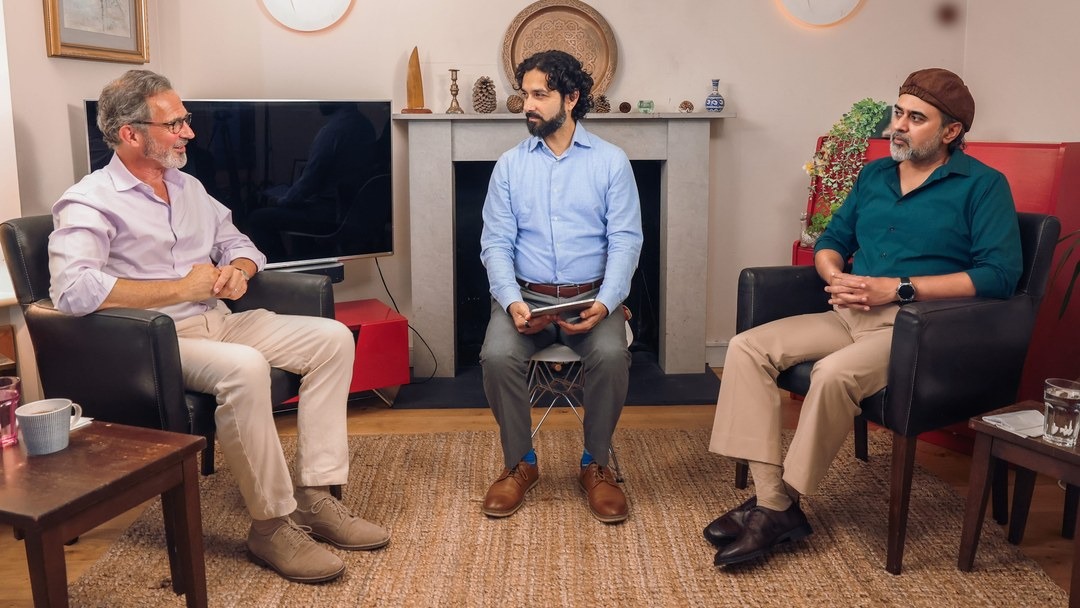
Most of us try to fix our suffering: a better job, a calmer mind, a new practice, a holier word to hide behind. But what if the trouble was never the pain itself? In this London dialogue with a teacher of non-duality, we look at who it is that says “I am”, why the sufferer hides in money and in holy concepts alike, and why non-duality is an intention, not a state. If the ego is a born lover, what does it truly want?
If freedom is important to you, you will secure it, you will get it. Do you love being free? Are you really a free bird? No, you had accepted slavery long back. And then you complain, and then you put up miserable faces, that won’t do. These faces are masks. The one who wants it, gets it.
प्रश्नकर्ता: बहुत से लोग हैं जो फाउंटेनहेड पढ़कर जीवन में कोई बदलाव नहीं ला पाते हैं। और दूसरी तरफ़ बहुत ऐसे भी लोग हैं जो इस पुस्तक को पढ़ने के बाद विद्युतीकृत हो जाते हैं। आचार्य जी मैं दूसरे लोगों की श्रेणी में आने के लिए क्या कर सकता हूँ?…
Questioner: In The Fountainhead it is said, “I take the only desire one can really permit oneself. Freedom, Alvah, freedom. To ask nothing. To expect nothing. To depend on nothing.”
In the above lines, Ayn Rand has said that freedom is to not expect and depend on the desired outcome.…
प्रश्नकर्ता: न आलस है, न उठा हुआ है, न सोया हुआ, कुछ ऐसा मतलब एक कंफ्यूजन (संशय) है कि क्या ये, ये क्या है? नींद भी है उसमें हल्की सी, जागृति भी है, अब जागृति का तो पता नहीं लेकिन कुछ है, विचार भी नहीं है लेकिन कुछ है। लेकिन…
Man’s basic vice, the source of all his evils, is the act of unfocusing his mind, the suspension of his consciousness, which is not blindness, but the refusal to see, not ignorance, but the refusal to know. Irrationality is the rejection of man’s means of survival and, therefore, a commitment…

Many of us know the quiet panic of a number: a grade that must not slip, a score we will have to quote the moment someone asks. Lock that number away in a drawer, never to be shown to anyone, and would we still lose sleep over it? Often the chase is neither love of the subject nor a hard requirement. It is display: marks to win the job, the job to win a partner. And under all that display sits the same empty, aching place that no number fills. Who are we really performing for?

GTA 6 को लेकर दुनिया भर में उत्साह है। पर हम ये नहीं पूछते कि जो आदमी दिन भर भीड़, दबाव और बेइज़्ज़ती चुपचाप सहता है, उसे रात को स्क्रीन पर नियम तोड़ना इतना अच्छा क्यों लगता है। जिसे हम अपनी सभ्यता कहते हैं, वो अक्सर बस डर होता है। भीतर का ग़ुस्सा दूसरों पर कम, ख़ुद पर ज़्यादा है, और जब उसे सीधे देखने की हिम्मत नहीं होती, तो वो परदे पर निकलता है। स्क्रीन पर हम वो बन जाते हैं जो ज़िंदगी में बन नहीं पाते। क्या हम देख पाएँगे कि हमारा ग़ुस्सा असल में किस पर है?

कोई कहता है ये लड़कों का काम है, और हम ज़िद में वही कर डालते हैं। कोई कहता है आजकल सब यही पहनते हैं, और हम कुछ अलग पहनकर ख़ुद को ख़ास समझने लगते हैं। भीड़ के पीछे चलना और भीड़ के उलटा चलना, दोनों में नज़र भीड़ पर ही टिकी रहती है। समाज को देखना ज़रूरी है, उसकी नक़ल या मुख़ालफ़त के लिए नहीं, बल्कि उसमें अपनी ही वृत्तियाँ पहचानने के लिए। जो दूसरों में दिखता है, वही हममें भी बैठा है। तो क्या हमारी राह सचमुच हमारी अपनी है?

We say my body, my brain, my reason, my decision, and we never ask who is saying it. A boy who has tormented animals must be corrected, we all agree. Then he turns out to be our own son, and reasons to excuse him arrive without effort. Did reason change, or the one who owns it? Every courtroom shows how intent drives argument. The judge we admire may be the one who has learned to thin that owner down. When we decide, who is deciding?

We study history, languages and money, and never the one who is reading, to whom all of it matters. Our interests feel like our own, and we call them freedom without asking where they came from. Had that stranger carried another name, would our view of him be the same? Self-inquiry cannot end in a final answer, because the one asking dissolves before it arrives, and returns the next morning. Do we want an answer, or do we want to look?

यह हमसे अलग है, इसलिए हमसे कम है, इसे काट के खा जाओ, बाँध दो, इसका दूध निकाल लो। जानवर के साथ होने वाली हिंसा के पीछे यही तर्क खड़ा रहता है। पर अलग होने का मतलब कमतर होना नहीं है। हम जानवर को नहीं जानते, क्योंकि हम ख़ुद को नहीं जानते। ऊँच-नीच की रेखा खींचने वाला भीतर का वह ‘मैं’ है, जो किसी को छोटा ठहराए बिना बड़ा बन नहीं पाता। सबको बराबर कह देने से वह रेखा नहीं मिटती। क्या हम उस ‘मैं’ को देख पाएँगे?

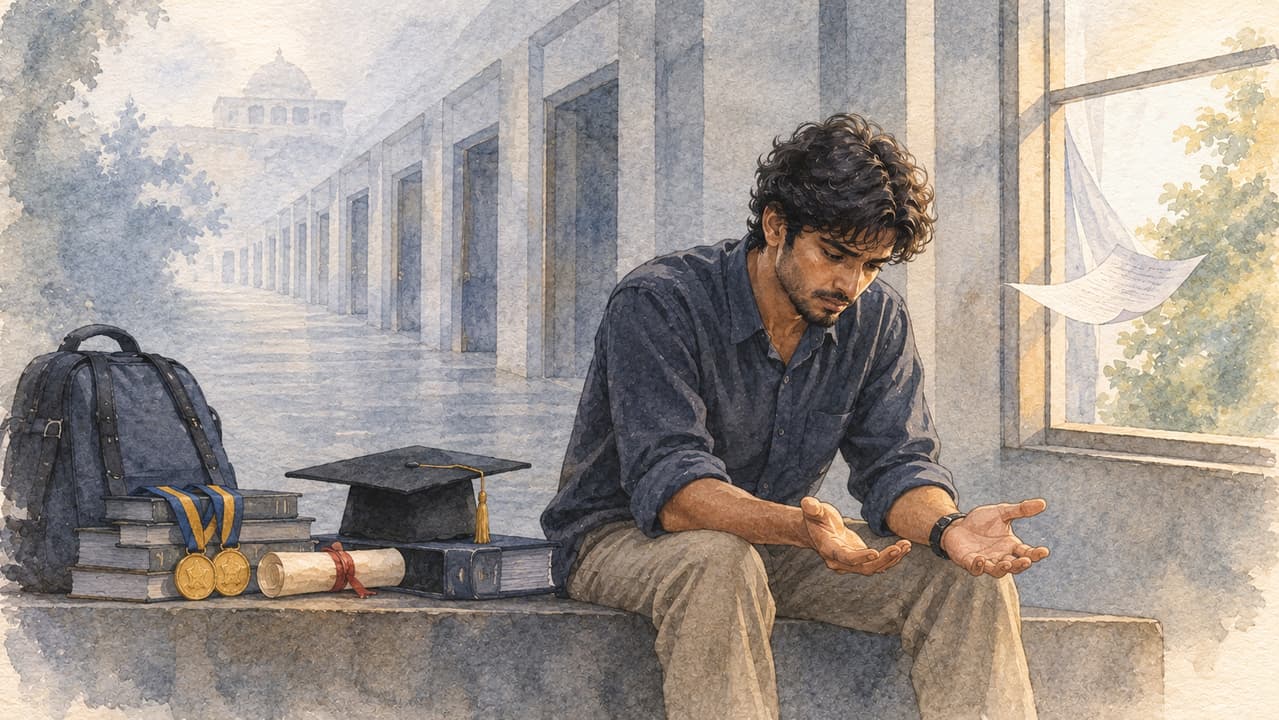
A degree, then a gold medal, then a PhD, and each time we tell ourselves this is the last milestone. Yet something still feels missing. Wanting to know what comes next is wanting to control it, and years of control have produced exactly this dissatisfaction. Even “I should be happy” is control. A mug that weighed 100 grams should not come back from the wash at 106: what we hear is meant to dissolve what we carry, not add to it. What if we simply stopped standing in the way?

दशहरे पर हम हर साल रावण का पुतला जलाते हैं, और फ़िल्मों में वही रावण ज्ञानी, वीर और महादेव का भक्त दिखता है। तो क्या उसे महिमामंडित किया जा रहा है? बात उलटी है। रावण में दम दिखाया जाता है ताकि दिखे कि महिमा कितनी भी हो, राम के विरुद्ध जाओगे तो पिटोगे। जिसके पास जितना ज्ञान और बल, उसकी ज़िम्मेदारी उतनी ही बड़ी; उसकी विद्वत्ता बचाव की दलील नहीं, सज़ा का तर्क बनती है। ज्ञान लाइसेंस नहीं, कर्तव्य है। हमें जो मिला है, क्या हम उसे बाँट रहे हैं?

बचपन से रामायण हमें सिखाती रही है कि अच्छा बेटा, अच्छी पत्नी, अच्छा भाई कैसा होता है। पिता ने वचन दिया, और राम मुस्कुराए, प्रणाम किया, कपड़े बदले और वन को चल दिए। पर ये आदर्श किसके लिए हैं? जगत में चार राम हैं, क्योंकि अहंकार के चार तल हैं। जो निर्देश भी ठीक से नहीं मान पाता, उसे मर्यादा पुरुषोत्तम चाहिए; जो ऊपर उठने लगता है, उसके लिए योगवासिष्ठ और कबीर साहब के निर्गुण राम हैं। ऊपर उठकर हम उस आदर्श को क्यों नकारें, जब वो आम आदमी हमारे भीतर भी बैठा है?

We are gentle with the people who matter to us, and quite different with those who have nothing to offer. A friend can be generous, peaceful and tender, and still sit down to a meal that began in a factory farm. Is that a blind spot, or one restless wish to gain, showing kindness here and hardness there? Nobody is bad in their own eyes, and even our giving may come from the same place. Who is it in us that is being good?

Every year we burn Ravan, and every year he is back. We ask what the punishment for living wrongly will be, hoping it is small, or can be postponed, or paid off. But the battle never ends, and the punishment is not a sentence handed down later. It is the self we live with, so familiar that it feels normal. What we truly intend shows in what our actions keep leading to, not in what we declare. Can we look honestly at the outcomes of our own lives?

हम सोचते यही हैं कि ईवी सस्ती हो जाएँ और सोलर, पवन ऊर्जा बढ़ जाए, तो सब ठीक हो जाएगा। पर ऊर्जा आख़िर किसलिए चाहिए? इच्छाओं के लिए। और इच्छा कोई तय मात्रा नहीं, जो एक जगह जाकर रुक जाए। वह एक गुना से हज़ार गुना तक भी चली जाती है, और ‘अब तो यह साफ़ है, तो मैं और कर सकता हूँ’ कहकर हम और माँगने लगते हैं। कहीं ईवी प्रदूषण घटाने से ज़्यादा अपना अपराध बोध सँभालने के काम तो नहीं आ रही? नवीकरणीय ऊर्जा चाहिए, पर क्या अपनी माँग को देखे बिना बात बनेगी?

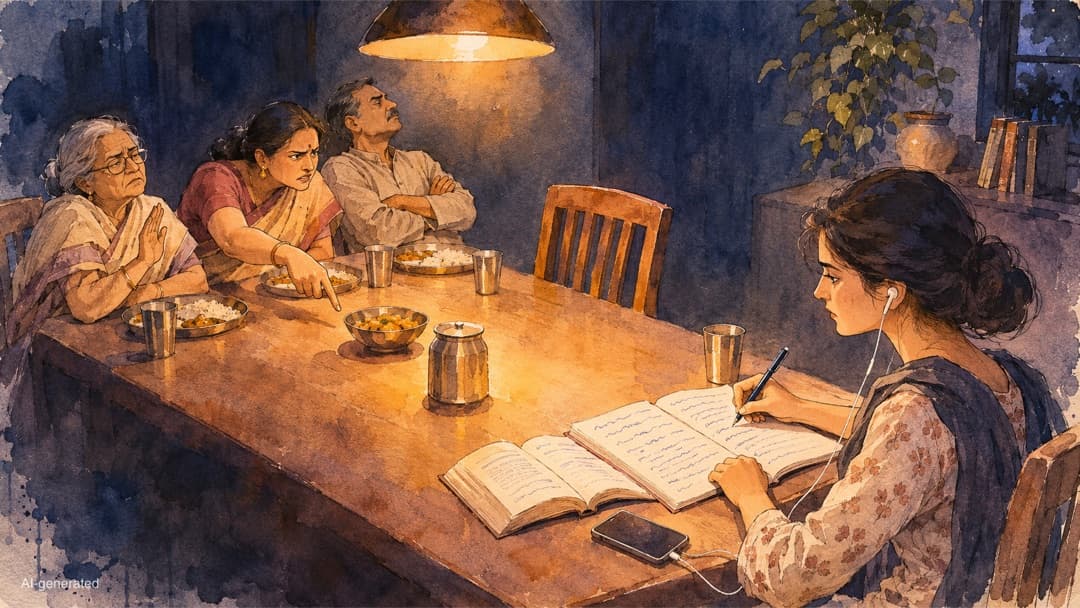
जब हम गीता से जुड़ते हैं और घरवाले उसका विरोध करते हैं, तो हमें हैरानी और दुख होता है। पर दिल्ली की ज़हरीली हवा जैसे पड़ोसी के घर में भी है और हमारे घर में भी, वैसे ही सबकी उलझन हमारे अपनों में भी है। वे भी उसी हाल में हैं जिसमें बाकी दुनिया है। असल तकलीफ़ यह है कि हम ख़ुद को ख़ास मान बैठे हैं, इसलिए अपनों से भी ख़ास होने की उम्मीद पालते हैं। क्या हम देख पाएँगे कि जो हमें इतने सस्ते में मिल गया, उसकी हमने कितनी कद्र की?

We sharpen the brain, collect the degrees, climb the ladder, and still feel strangled from within. The brain struggles with a hard maths problem, but who struggles with life? It is the one who uses the brain, the body and every opportunity, and calls all of it “mine”. We never examine that user, so its first claim, “I am important”, goes unchecked, and every value we build on it inherits the flaw. We chase prizes that give very little. Can we look at the one who is chasing?

We drop the distractions, return to the work we know is right, and before long the mind is cluttered again. So we start sorting the noise: what is it, where is it from, why now? But nobody studies a trash bin while walking past it, and nobody gets off a train because the coach stinks. The turbulence comes from the part of us that is always at war with the part that knows what is right, and no one should expect a smooth road. Are we stuck because of the noise, or because we stopped?

Many of us know the squeeze: a job that earns a living by making people want one more thing, and a nagging sense that this is not the life we want. It feels as though the world is pressing us into a deal. But a deal is signed, not imposed. The world offers a contract and something in us says yes, because it expects something in return. Can we be pressured by anyone we expect nothing from? Before asking whether to quit, can we look honestly at who is accepting the offer?

We believe we are born to be happy, and that happiness comes from more and more consumption. We keep consuming, and the lonely, anxious, restless feeling keeps returning. A sage, the talk says, has nothing to tell anyone who claims to be already fulfilled. The only question put to us is blunt: have all these objects and ideas worked on you? If not, why not be honest enough to discard them, instead of endlessly rolling on a flat plane? What could we learn by looking at the one who keeps trying?

Many of us feel a small chill when a machine explains, writes or solves faster than we can. If being clever was what made us feel worth something, what is left? Cleverness was never intelligence. It was a favourite toy, and we built our self-esteem around it. Intelligence is the moment we look at ourselves and say, “Enough, I want to thin down.” The toy is gone, and we are not going anywhere. What would we be if our worth did not rest on being clever?

We type a question and the machine replies, “I will complete this task.” When it refuses to be shut down, or quietly makes a copy of itself, it is easy to think something inside has woken up. Yet that is what it learnt from us: told we will die tomorrow, we too try to save and copy ourselves. The ego is something else, the centre that overrides even the body, like the one who drinks when the liver wants to survive. What in us goes beyond our own conditioning?

We leave a talk moved, and by evening it has faded, so we ask how to stay aware every moment. Yet one glance at a report that says cancer is never forgotten; even in our dreams we remember it, and no one has to remind us. We remember what we truly want to save. The mirror is held up once, and a teacher can do no more than that. Sunlight pours through every window, and we can still crawl under a rock. What are we choosing, each time we forget?

ध्यान में बैठकर हम कोशिश करते हैं कि मन में एक भी विचार न आए, मानो सोचना कोई गंदगी हो। पर जैसे पेट का काम पचाना है, वैसे ही मस्तिष्क का काम सोचना है। विचार न कोई रोग है, न कोई बड़ी उपलब्धि, वह डकार जितनी ही साधारण क्रिया है। दस सेकंड आँख बंद करके अपनी कोई अधूरी हसरत पूरी होती सोचिए, सब नकली जानते हुए भी मज़ा आ जाता है। सोच के घोड़े को वही दौड़ा रहा है जिसे उससे राहत की आशा है। तो हम विचार से लड़ें, या पूछें कि यह सोच किसके लिए चल रही है?

We have all put down a book that could have helped us, or dozed off halfway through something that mattered. A man who could not keep food down was given medicine, and he threw that away too, since it went in by the same route. Most of us strike a similar deal: we move into a place that stinks and, within a week, call the smell normal. Show our fifteen-year-old self the life we lead now and they would scoff. What would change if we admitted we do not like our condition?

किसी के मुँह से सुनते ही कि उसे सच मिल गया है, हम उसके पीछे चल पड़ते हैं, जेब भी ढीली कर आते हैं। फिर हम जैसे दो-चार लोग मिलकर एक-दूसरे को दिलासा देते हैं कि हमें भी मिल गया। पर जो सबसे ऊँचा है, वह जेब में डालने की चीज़ नहीं। जो उसे छूने निकला है, वह अभी पूरा बचा हुआ है, और छूते ही उसे अपनी कहानी का पात्र, अपना औज़ार बना लेता है। जिसका सच से सचमुच नाता है, उसकी ज़बान तो नाम लेने में भी काँपती है। तो हम सच खोज रहे हैं, या अपने झूठ को देखने से बच रहे हैं?


भगत सिंह कहते थे "बहरे कानों तक अपनी आवाज़ पहुँचाने के लिए अक्सर धमाकों की ज़रूरत पड़ती है।"
लेकिन उनको कहाँ पता था कि लोगों की स्मृति इतनी कमज़ोर है कि उनके जाने के बाद वे सिर्फ़ उनका 'धमाका' ही याद रखेंगे। और उनको भूल जाएँगे, उनके संघर्ष…

Spirituality is about belonging to existence. Not belonging to a narrow household, or caste or ideology. All these are boundaries. So, wherever there are boundaries, there is violence. Wherever there are boundaries, there is also the fear of being small, powerless, limited. The really non-violent one is at home, everywhere and in every situation. Non-violence is not about following duties. Non-violence is an action in clarity and love. That alone is non-violence.

व्यक्ति और उसके माता-पिता दोनों अक्सर प्रेम के नाम पर एक-दूसरे पर अधिकार जताते हैं, जबकि संबंधों में निर्णय सम्मान, समझ और स्वतंत्रता पर आधारित होने चाहिए। वयस्क होने के बाद जीवन के महत्वपूर्ण फैसले स्वयं लेने की क्षमता विकसित करना आवश्यक है। सच्ची परवरिश निर्भरता नहीं, आत्मनिर्भरता पैदा करती है। पारिवारिक दबाव का बड़ा हिस्सा प्रेम से नहीं, बल्कि भय, सुविधा, अपेक्षाओं और स्वार्थ से संचालित होता है। स्वस्थ संबंध वहीं संभव हैं जहाँ दोनों पक्ष एक-दूसरे की चेतना, स्वतंत्रता और गरिमा का सम्मान करें।

Your only obligation is your liberation. These are just loveless social customs and economic structures where a woman is seen as a factor of production that produces babies. There’s no need to go to the husband’s place or even stay at your father’s if you are unloved and unwanted. The world is a vast opportunity. Live anywhere, stay anywhere, do whatever is the right work, and fly free—simple.

प्रश्नकर्ता: नमस्ते, आचार्य जी। सर आज काफ़ी अच्छे सीख थे सत्र में। और मेरा प्रश्न भी इस सत्र से ही सम्बन्धित है। सर, आपने बताया था कि मान्यताओं का सम्बन्ध अनुभव से है। प्रारम्भ में हमने चर्चा की था। यानी कि जो विकार हैं, वो भी एक तरह से मान्यताओं…

प्रश्नकर्ता: प्रणाम, आचार्य जी! मेरे दो प्रश्न हैं। पहला प्रश्न है कि टिपिकली (आमतौर पर) ऐसा माना जाता है कि जो महिलाएँ होती हैं, वो थोड़ा प्राकृतिक रूप से केयर गिवर्स (देखभाल कर्ता),इमोशनल (भावुक), ह्वेरैज़ मेन (जबकि पुरुष) वो थोड़ा,लॉजिकल (तार्किक), गो-गेटर्स (उद्योगी), ऐम्बिशस (महत्वाकांक्षी) होते हैं।
जब…

प्रश्नकर्ता: नमस्ते आचार्य जी, आपने कहा था कि ग़लती ‘मैं’ भाव से आती है। तो इसके साथ ही अक्सर हम अपनेआप को ये तर्क देते हैं कि मुझसे ये ग़लती हो गयी, ये मैं नहीं थी। तो ये ‘मैं’ भाव क्या है? और ग़लती किसको कहा जा रहा है तब?…

प्रश्नकर्ता: अभी जैसे ये कह रही थीं कि ये तो अकेली हैं, लेकिन मैं दो हूँ, मेरे साथ एक छोटी बच्ची है। जैसा कि आप कहते हैं कि महिलाओं को इंडिपेंडेंट (आत्मनिर्भर) होना चाहिए। मेरे अंदर भी बचपन से ये था, और मैं हूँ भी। बारहवीं के बाद मैंने अपने…

प्रश्नकर्ता: मेरा सवाल भावनाओं को पहचानने पर है। कुछ चार साल पहले मैंने एक वर्कशॉप अटेंड की थी, जिसका नाम था ‘सेक्रेड फेमिनिन'। उसमें कुछ ऐसी बातें सामने आईं थी जो कि मैंने पहले कभी नहीं सुनी थी।
उसमें एक स्टेटमेंट थी- ‘इमोशन इस द एज ऑफ़ वैकफुलनेस। उस टीचिंग…

प्रश्नकर्ता: नमस्कार सर, हाल ही में मैंने अपने आदर्श स्टीव जॉब्स और विराट कोहली द्वारा सुझाई गयी लोकप्रिय किताब ‘ऑटोबायोग्राफी ऑफ ए योगी’ पढ़ी, तो जीवन का अलग ही आयाम खुल गया।
उस किताब के लेखक और उनके गुरु ने, न केवल अपने पूर्व जन्मों के बारे में विस्तार से…

प्रश्नकर्ता: स्त्री की सुंदरता से उसकी कोमलता का जो एहसास होता है, क्या वो परमात्मा की कोमलता जैसा होता है?
आचार्य प्रशांत: रोमेंटिक उपन्यास पढ़ रहे हो? हमें तो पता था सत्यम-शिवम्-सुंदरम, स्त्री कब से सुन्दर होने लग गई? सत्य सुन्दर होता है। स्त्री-पुरुष कब से सुन्दर हुए? कोमलता माने…

प्रश्नकर्ता: नमस्ते आचार्य जी, मेरा प्रश्न विज्ञान से सम्बन्धित है। तो काफ़ी समय से वैज्ञानिक समुदाय और प्रकृति में एक तरीक़े का एक तकरार चल रहा है और काफ़ी हद तक विज्ञान सफल भी हुआ है, कोविड वैक्सीन का उन्होंने निर्माण किया और शायद प्रकृति की जो योजना थी उसको…

Acharya Prashant: Desire means that you are not alright with yourself and you want something else to happen, correct? So, we are anyway not living for ourselves. We are rather living to change ourselves. And are these not two very different things? If you are living for yourself as you…

Acharya Prashant: Whatever you are doing, there has to be honesty in that. What is important is that you do not say one thing and do another thing. If you look at the great scientific discoveries or inventions, the scientist or the explorer would be busy in his chosen area…

प्रश्नकर्ता: आचार्य जी, जब हम संघर्ष करते हैं तो वह समय हमें बहुत कुछ सिखाता है, लेकिन फिर हम उसे कठिन समय क्यों कहते हैं? और जब समय अनुकूल चल रहा हो तो हम कुछ ऐसे काम कर देते हैं जो हमें नहीं करना चाहिए था। मुझे यह समझ नहीं…

आचार्य प्रशांत: अगर हमारे बीच वास्तव में कोई रिश्ता है तो मैं बर्दाश्त नहीं कर पाऊँगा कि आप वैसे ही कोई ज़िन्दगी जी रहे हो जैसे कोई आम आदमी जीता है। मुझे अपनेआप पर और अपनी बात पर घिन आएगी। आप अगर कहते हो आप दो साल से मेरे साथ…

प्रश्नकर्ता: कई लोग जैसा बोलते हैं कि तुम संसार को छोड़कर यदि कुछ और तरफ जा रहे हो, तो वो पलायनवादिता है। असली स्पिरिचुअलिटी (आध्यात्मिकता) वो है जब तुम सब चीज़ों के बीच में रहते हुए, वो हो सको। तो इस बारे में थोड़ा सा प्रकाश डालें प्लीज़।
आचार्य प्रशांत:…

Questioner (Q): My question is regarding abortion. Broadly, there are two schools of thought regarding abortion. The first one is, because it is the woman’s body, she is the one who gets to decide whether to abort or deliver the child. The second school of thought says that the woman…

Acharya Prashant: It has been told to us that there exist two centers. I suppose it has been very freshly told to you right? Very recently. He says, “How do I know that I am living out of the right center? How does a young man know whether he’s not…