Ramana Maharshi says, “Silence of the mind is higher than the silence of the eye and the ear,” because even if the eye and the ear are not compulsive about sucking in sensual inputs, still something will reach the mind. A silent mind is the one that is not under any internal pressure, any internal compulsion to react to what comes to it. Stuff has come; the mind says, “Alright, you have come. I am inert towards you. I am non-reactive!” “Real silence is silence of the mind.”
It is said that when you are in the waking state (jāgrat), you are identified with the world; in the dream state (svapna), you are identified with the dream; and in deep sleep (suṣupti) you are still identified with some kind of primitive darkness. But, it is not as if that you have gone beyond identification. Turīya is the state that is present behind the drama of waking, sleeping and dreaming. Turīya, the witness state, is not ‘yours;’ it witnesses you, it is outside of you. So, your birth and death do not touch it.
Who am I?' arises from a relatively unconscious state, simply meaning, 'I will not remain the one who asked it.' You will have to become conscious. So the one who asks this question will have to disappear to get the answer. 'Who am I?' is for the wise, who are no longer interested in remaining troubled.
Speaker: So, this morning we are here, trying to look at what is Religion. It would be easy to go into this deeply researched and heavily documented topic as just another objective topic, but I wonder, whether we ask ourselves some very subjective, very personal, very intimate questions. I wonder,
Questioner (Q): How to live my daily life regardless of my family, job, financial situation, mood or body, and reach the Truth? Ramana Maharshi says, “One’s duty is to practice continuous self-enquiry.” The mind is so used to its tendencies that this is hard for me; it hijacks my attention
“'I' is the root of all thoughts because, in the end, very thought occurs to the ‘I’.
So, first try to get hold of who this ‘I’ is, which will lead the enquirer to dissolve and merge in the source.”
~ Sri Raman Maharishi
Question (Q): Acharya Ji, on being asked, can Karma ever come to an end? Ramana Maharshi says, "Karmas carry the seed of their own destruction in themselves." Dear Acharya Ji, please help me understand, how Karmas carry the seed of their own destruction?
Question: Acharya Ji, what is ‘elimination of false knowledge’ that Ramana Maharishi talks of when he says, “The individual is miserable because he confounds the mind and the body with the Self. This confusion is due to wrong knowledge. Elimination of wrong knowledge is alone needed. Such elimination results in
“That which you take to be as your normal state is on the contrary, an abnormal state. Do you have to search for a long time before finding this ‘I’ which is none other than yourself?
Questioner (Q): You always mention how qualifications like dispassion and abandonment of action are necessary for enquiry to take place, while Ramana Maharshi says, “Even a great sinner can do enquiry.” How can this be reconciled? Also, you speak about renunciation, but Ramana Maharshi says, “All events in our lives…
One must be free to do as one pleases and should not be served by others.‘No want’ is the greatest bliss. It can be realized only by experience.
~ Sri Raman Maharishi
Questioner: Acharya Ji, Pranaam! Please elaborate on the above, especially with regard to what it means that
Questioner (Q): I want to know the source of thought. I remember Ramana Maharshi’s words: “‘I’ is the root of all the thoughts because in the end, every thought occurs to the ‘I’. So, first try to get hold of who this ‘I’ is, which will lead the enquirer to…
Question: There are two things which I hold very tightly. Raman Maharishi has written only these two pieces himself. One is – ‘Who am I?’ And the other one is – ‘Self Inquiry’.
I go through only these, because these are from a young man who was not conditioned, who
Questioner (Q): Acharya Ji, pranam. Raman Maharishi talks about three states: waking state, dreaming state and deep sleep. Thoughts appear in the dreaming and waking state. For the realized one, there are no differences between these three states because they can consciously sleep, consciously dream and are conscious during their
We are told that cleaner technology will solve the climate crisis. But emissions begin before any fuel is burnt, in a life that has no joy and so keeps reaching for the next lower pleasure: the party, the trip, the purchase. The demand for pleasure is not wrong. What matters is which pleasure we seek. Music, books, sport and real company cost the planet almost nothing. Can we look honestly at what our own consumption is trying to fill?
Search
1
Questioner: Acharya Ji, pranam. Ramana Maharshi says, “Since the self is free from the notions of knowledge and ignorance, how can it be said to pervade the entire body in the shape of sentience or to impart sentience to the senses.”
“Wise men say that there is a connection between…
Question:
Sir, Ramana Maharshi has talked about the ‘I’. He has always asked the seekers to observe this ‘I’, and this has always been the basis of his teachings. What exactly does Ramana Maharshi mean, when he asks us to constantly observe this ‘I’? How does one witness this ‘I’?
…
Excerpts from Articles
अंधविश्वास असल में झूठ को स्वीकृति पाने की चाह है
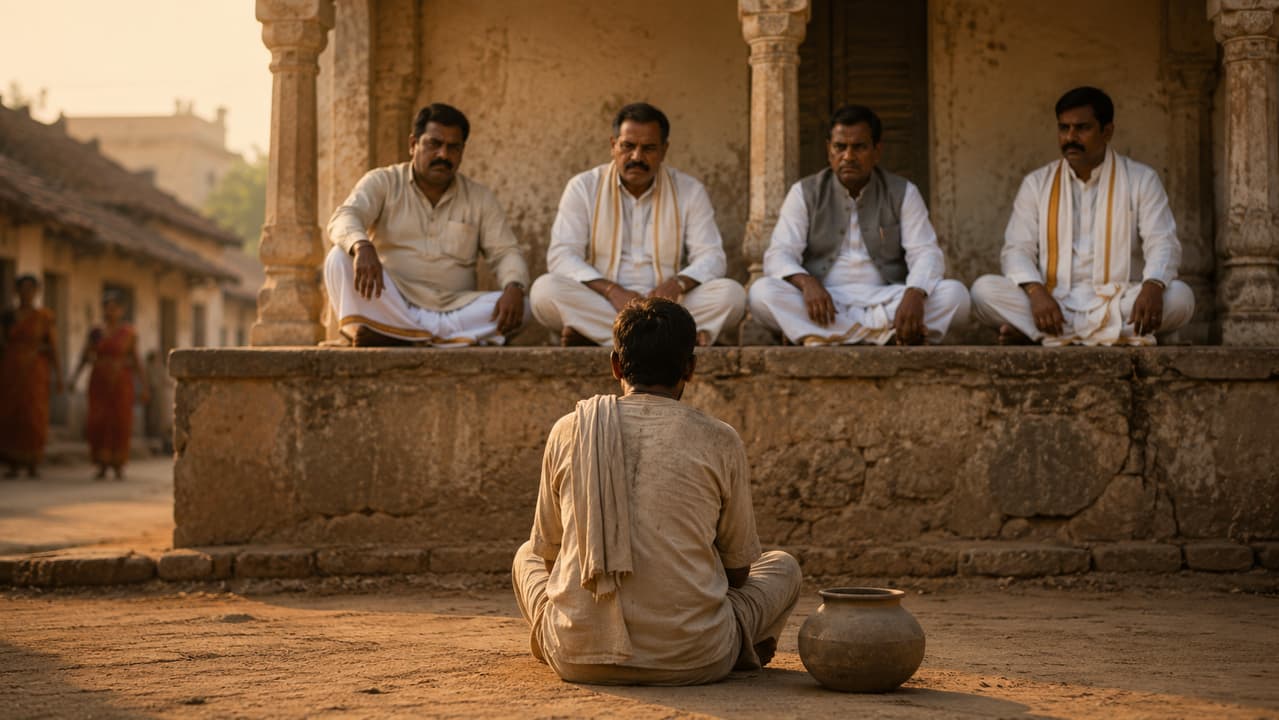
एक पुजारी जो रोज़ भूत-प्रेत, तंत्र-मंत्र और वशीकरण के नाम पर आए लोगों से मिलता है, आचार्य प्रशांत से पूछता है: जब वो ख़ुद जानता है कि कुछ भूत-चुड़ैल नहीं होता, तो लोग बार-बार इसी झूठ की शरण में क्यों जाते हैं? जवाब अंधविश्वास से कहीं गहरा निकलता है — यह हमारे भीतर के उस झूठ की कहानी है, जिसे हम हर कीमत पर बचाना चाहते हैं।
Justice Without Boundaries: Why Compassion Cannot Stop at Species
Oppression should not see caste, gender, creed or colour, and it should not see species either. The moral threshold is sentience, not intelligence. An animal feels pain as fully as a human does, whether or not it can explain its suffering.
Struggling to choose between a secure job and the path you actually feel drawn to? This isn't really a question about careers. It's about why other people's opinions have so much power over you in the first place. Real clarity doesn't come from finding the 'right' choice. It comes from honestly looking at your own fear, again and again, until it stops running the decision for you.
ज्योतिष कितना सच है? कुंडली, ग्रह-नक्षत्र: इनका क्या अर्थ है?
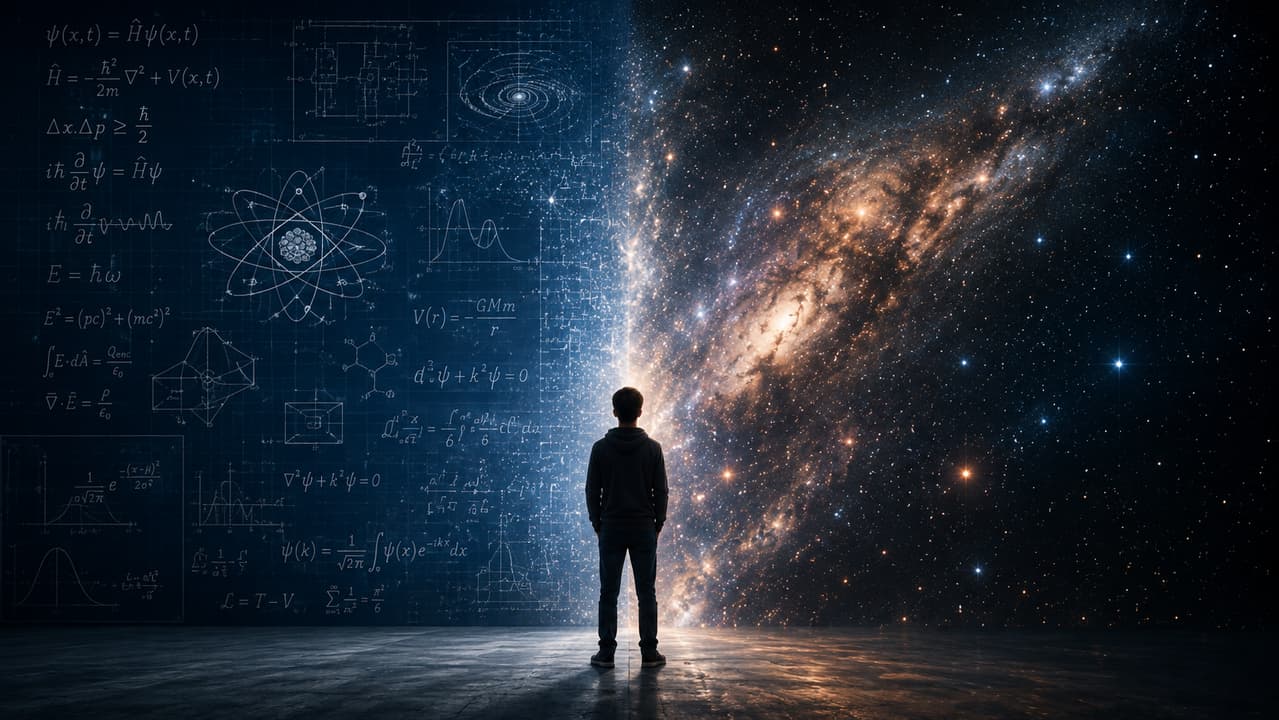
वेदांत को केवल इसलिए सही या श्रेष्ठ नहीं माना जा सकता कि वह किसी विशेष परंपरा से आता है। विज्ञान जहाँ भौतिक जगत की वस्तुनिष्ठ जाँच करता है, वहीं अद्वैत वेदांत सीधे मनुष्य के ‘मैं’, उसके दुख, बंधन और मुक्ति की पड़ताल करता है। इसकी कसौटी वैज्ञानिक प्रमाण नहीं, बल्कि अपने जीवन में इसकी सच्चाई को देख पाना है। किसी दर्शन को मान लेना नहीं, बल्कि उससे स्वयं को मुक्त करना ही उसका वास्तविक उद्देश्य है।
Climate change is more than an environmental crisis—it is a crisis of human choices. Our patterns of consumption, consumerism and endless pursuit of more are putting increasing pressure on the planet. But meaningful change does not necessarily begin with new technology or stricter policies. It begins with a deeper question: what are we willing to change within ourselves?
फ़ालतू खर्च छोड़िए, अपनी ज़िंदगी पर खर्च करना सीखिए
आचार्य प्रशांत बताते हैं कि क्यों हम सही खान-पान, स्वास्थ्य और अपने ऊपर ज़रूरी खर्च से बचते हैं, लेकिन दिखावे और फ़ालतू सामाजिक परंपराओं पर पैसा बहा देते हैं। अधिकांश लोगों के लिए समस्या सिर्फ़ पैसों की कमी नहीं, बल्कि विवेक और सही प्राथमिकताओं की कमी भी है।
‘Solitude is in the mind of a man, that it is an attitude of the mind.
A man attached to things of life cannot get solitude wherever he may be.
A detached man is always in solitude.”
So it doesn’t depend on the…
2
Question: Sir, at one point Ramana Maharishi says, “When the praarabdh is exhausted, the ego is completely dissolved without leaving any trace behind.” And at another point he says, “You can experience the Self right now.” So how will this *praarab*dh change or break at a certain moment? How can…
…
…
Questioner (Q):
(Referring to a text) Sir, it is written here, “Silence is ever speaking. It is the perennial flow of language.” How is ‘Silence’, a perennial flow of language?
Acharya Prashant (AP): What is language?
Q: Language is a medium of communication.
AP: Communication. What is the use of…
“What is samaadhi?”
*“It is the complete merging of the mind in God-Consciousness. The jnani experiences jada samaadhi, in which no trace of ‘I’ is left. The samaadhi attained through the path of bhakti is called ‘chaitanya samaadhi’.”*
“In this samaadhi there remains the consciousness of ‘I’…
Somebody asks Raman Maharishi, “It is an established rule that so long as there is the least idea of ‘I am the doer’, self-knowledge cannot be attained. But is it possible for an aspirant who is a householder, to discharge his duties properly without this sense?”
Sri Raman Maharishi says:…
Acharya Prashant (AP): Karma is action. We…
…
“All the texts say that in order to gain release one should render the mind quiescent; therefore their conclusive teaching is that the mind should be rendered quiescent. Once this has been understood, there is no need for endless reading.”
“In order to quieten the mind, one has only to…
This is what I mean when we declare that no
…
Share
…
All the people in the world can be put under four categories:
The Guru’s disciples, bhaktas, those who are indifferent to Him and those who are hostile to Him.
All these will be benefited by the existence of the Jnani
Each in his own way and to various degrees.
Sri…
…
Share
…
In deep sleep mind is merged and not destroyed. That which merges reappears.
It may happen in meditation also. But the mind which is destroyed cannot reappear. The yogi’s aim must be to destroy it and not to sink in ‘laya’ (merging).
In the peace of dhyana (meditation), laya ensues
…
…
Question:
“How do the triple factors, that is – the knower, the known, and knowledge, which are absent in deep sleep, Samadhi, etc., manifest themselves in the self, in the state of waking and dreaming?”
Sri Raman Maharshi:
“From the Self there arise in succession:
(i) Chidabhasa (reflected consciousness), which…
Questioner (Q): Acharya Ji, Ramana Maharshi talks about ‘transcending and turning inwards'. Who is transcending and who is turning inwards?
Acharya Prashant (AP): The Ego, the I tendency. Whatever advice is given, is always given to the “I” tendency. Because at the center of everything lies this “I” tendency that…
आचार्य प्रशांत:
देखिए, उनकी जो जीवनी है, उसके विषय में तो स्मृति हो सकती है, विचार हो सकते हैं, लेकिन रमण महर्षि को मात्र एक जीवनकाल के रूप में देखना उनके सत्य से चूकने की बात
…
1
प्रश्नकर्ता: आचार्य जी, कल्पनाशीलता अधिकांश समय मस्तिष्क पर हावी रहती है, क्या करना चाहिए?
आचार्य प्रशांत: ज़िन्दगी, कम से कम जवान आदमी की, ऐसी होनी चाहिए कि पूरा रगड़ दिया जाए। चैन की नींद सोओगे। सात घंटे से पहले उठने का नाम नहीं लोगे और गहरी नींद आएगी। ये जो…
आचार्य प्रशांत: हर तादात्म्य का सम्पूर्ण अस्वीकार, सिर्फ शरीर से तादात्म्य का नहीं, ये है ‘नाहं’। ये ध्यान का फल है। ध्यान जितना गहरा होगा, ‘नाहं’ उतनी जल्दी आएगा। ध्यान, आपके तीक्ष्ण अवलोकन का फल है। जितनी तीक्ष्णता से आप अवलोकन कर पाओगे उतनी जल्दी आप ‘नाहं’ कह पाओगे। इसको…
When someone calls us ugly or dumb, it can feel as if our confidence has been taken away. But others are outsiders; they cannot know us as well as we can know ourselves. The trouble begins when we do not know ourselves, so we start looking at ourselves through others’ eyes. Self-knowledge here simply means being honest with ourselves about where our likes, fears and desires come from. What would change if we looked at ourselves directly, and not through others’ opinions?
सच की राह पकड़ते ही अक्सर अपने ही लोग बदल जाते हैं, और हम मान लेते हैं कि शायद हम ठीक से समझा नहीं पा रहे। पर सामने वाला समझ तो रहा होता है, उसे बस सौदा नहीं जँचता। अहंकार लेन-देन से चलता है, इसलिए अकेले तर्क उसे नहीं हिलाते। हमारा अपना अहंकार भी यही करता है: थोड़े-से स्वार्थ के लिए हम झूठे रिश्तों में मिठास का स्वांग करते हैं, मजबूरियाँ गिनाते हैं और पीछे हट जाते हैं। जिसे हम मजबूरी कहते हैं, क्या वह सच में मजबूरी है?
वेदांत को केवल इसलिए सही या श्रेष्ठ नहीं माना जा सकता कि वह किसी विशेष परंपरा से आता है। विज्ञान जहाँ भौतिक जगत की वस्तुनिष्ठ जाँच करता है, वहीं अद्वैत वेदांत सीधे मनुष्य के ‘मैं’, उसके दुख, बंधन और मुक्ति की पड़ताल करता है। इसकी कसौटी वैज्ञानिक प्रमाण नहीं, बल्कि अपने जीवन में इसकी सच्चाई को देख पाना है। किसी दर्शन को मान लेना नहीं, बल्कि उससे स्वयं को मुक्त करना ही उसका वास्तविक उद्देश्य है।
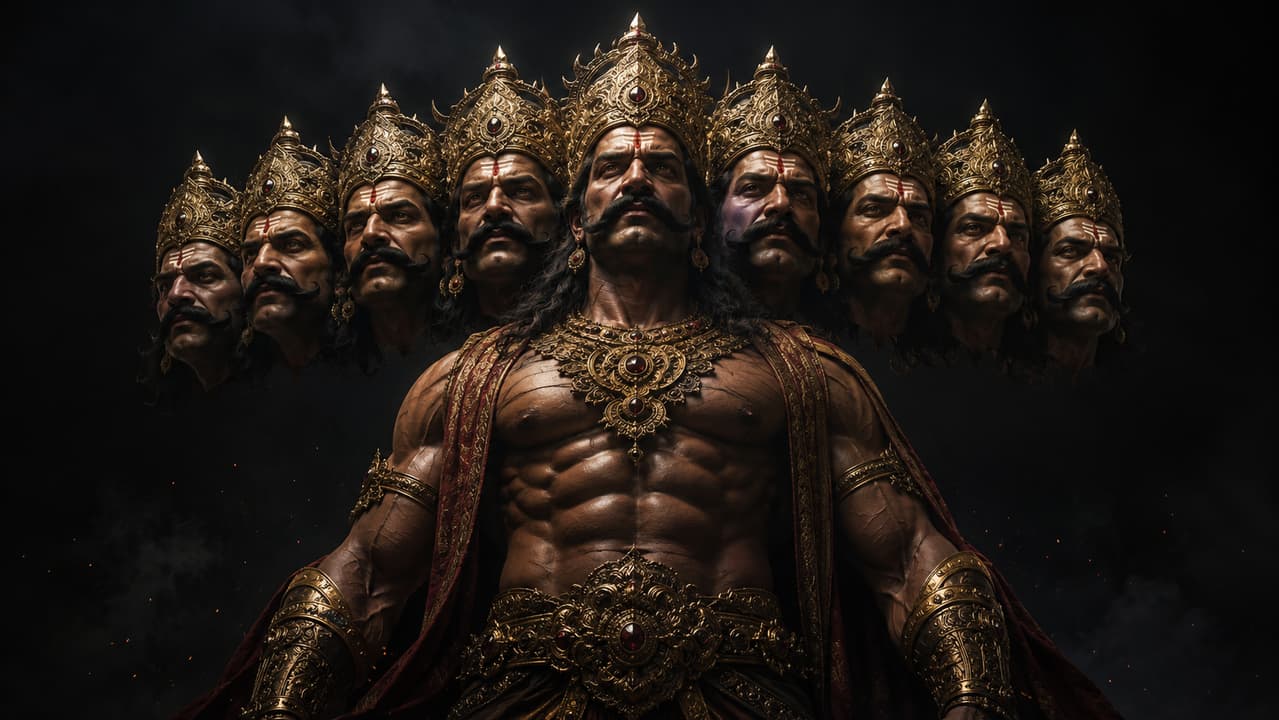
Knowledge alone cannot transform life; it can become another object of the ego. True knowledge is self-knowledge—a mirror that exposes and destroys false ideas about oneself. Ravana may have been knowledgeable, but without self-knowledge, knowledge can become a tool for exploitation. Wisdom is not something to acquire; it is innate. Self-knowledge is the process of unbecoming unwise by clearing away the nonsense we have gathered.
Acharya Prashant: Because, you are asking this question.
We ‘think’ that we are lost, equally, we ‘think’ that we are not lost. The same place from where the thought, the perception of being lost, or not lost arises, that place is the same place…
सही काम आनंद पाने के लिए नहीं, बल्कि इसलिए किया जाता है क्योंकि वही सही है। सही काम करते समय सुख मिले या बोरियत, दोनों को समान रूप से स्वीकार करना ही आनंद है। पढ़ाई, विशेषकर गणित, केवल परीक्षा का विषय नहीं बल्कि प्रकृति और जीवन की भाषा है, जो दुनिया को समझने की क्षमता देती है. गलतियाँ स्वाभाविक हैं और उनसे सीखना चाहिए, लेकिन बेईमानी कभी स्वीकार्य नहीं हो सकती। सच्ची सफलता पूर्णता में नहीं, बल्कि ईमानदारी में है।
Friendships naturally change as people follow different paths in life. When you remain focused on your true purpose, you stop clinging to those who only accompany you briefly. Instead of dwelling on memories or fearing others' intentions, examine your own expectations and self-deception first. Honest self-awareness brings clarity, wiser relationships, and the freedom to move forward without resentment or attachment.
True freedom begins when we question the beliefs that make us feel trapped. Most of our suffering comes not from circumstances but from unquestioned assumptions, attachments, and imagined obligations. By suspending our beliefs, even briefly, we allow truth to enter, revealing that life always offers choice. Transformation is born from love for truth, the courage to let go, and the willingness to step beyond the boundaries created by the ego.
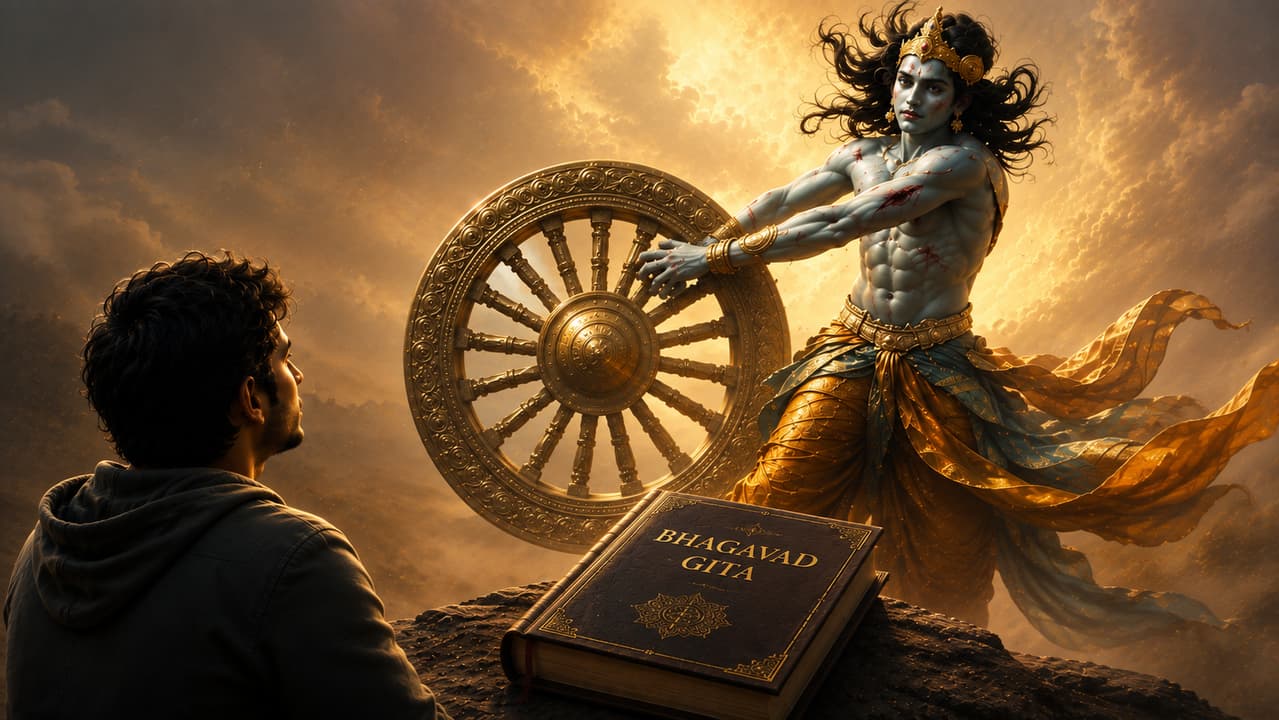
The Bhagavad Gita deserves reverence not because of inherited beliefs about its author, but because of its power to dissolve falsehood and reveal Truth. Real devotion is not ritual or blind faith—it is understanding, inquiry, and living the wisdom of the Gita. Through sincere study, one discovers the true meaning of Krishna, making the Gita the most authentic path to knowing and worshipping Him.
Real love is not measured by comfort, agreement, or preserving relationships at any cost. It is revealed when one has the courage to challenge falsehood, embrace uncomfortable truths, and even risk a relationship for another's freedom and growth. Truth is not a fixed destination but a continuous rejection of illusion. Genuine relationships, mature guidance, and authentic scriptures all serve as mirrors that help us see and dissolve our own falseness.
भारत में जाति केवल सामाजिक या कानूनी समस्या नहीं, बल्कि धर्म से जुड़ चुकी मानसिक संरचना बन गई है। इसलिए संविधान, कानून और समाज-सुधार के प्रयास इसे समाप्त नहीं कर पाए। जन्म-आधारित जाति का आधार वैदिक दर्शन नहीं, बल्कि बाद की विकृत धार्मिक व्याख्याएँ हैं। जाति तभी समाप्त होगी जब धर्म अपने मूल वेदान्त और अद्वैत स्वरूप की ओर लौटे, जहाँ मनुष्य की पहचान जन्म से नहीं, सत्य से होती है।
मन पर बाहरी प्रभाव पड़ना स्वाभाविक है, लेकिन जीवन का संचालन उन प्रभावों से नहीं, अपने विवेक से होना चाहिए। जानकारी बाहर से आती है, पर उसे समझना, परखना और सही निर्णय लेना हमारी आंतरिक क्षमता है। जो व्यक्ति अपने विवेक को जागृत रखता है, वही विचारों का स्वामी बनता है; अन्यथा वह केवल परिस्थितियों और दूसरों की धारणाओं का अनुयायी बनकर रह जाता है।
अध्यात्म यह नहीं सिखाता कि बाहरी प्रभावों से बचो, बल्कि यह सिखाता है कि उनके दास मत बनो। जानकारी, विचार और अनुभव बाहर से ही आते हैं, लेकिन उन्हें समझने और उनके आधार पर निर्णय लेने का अधिकार आपके विवेक का है। वास्तविक स्वतंत्रता तब है जब जीवन बाहरी प्रभावों से नहीं, बल्कि अपने विवेक से संचालित हो। मन बाहरी प्रभावों पर आश्रित हो सकता है, लेकिन आप केवल मन नहीं हैं ।
The biggest weakness of modern education is not that it fails to keep pace with technology, but that it neglects self-knowledge. Students are trained to build identities around qualifications and careers, making them rigid in a world that demands constant change. Real adaptability, innovation, and lifelong learning come not from acquiring more skills, but from understanding oneself and letting go of fixed identities.
तकनीक अपने-आप में समस्या नहीं है। असली प्रश्न यह है कि उसका उपयोग कौन और किस मानसिक अवस्था से कर रहा है। यदि भीतर भय, असुरक्षा और निर्भरता है, तो तकनीक सुविधा देने के बजाय बैसाखी बन जाती है। तब संवाद कृत्रिम हो जाता है, ज्ञान सतही रह जाता है और शक्ति विनाश का साधन बनती है। बाहरी प्रगति तभी सार्थक है जब उसके साथ भीतर की परिपक्वता और विवेक भी विकसित हों; अन्यथा हर नई तकनीक हमारी कमज़ोरियों को ही और बढ़ा देती है।
Humanity's greatest crisis arises from the imbalance between immense external progress and inadequate inner understanding. While technology, wealth, and knowledge have expanded unprecedentedly, unchecked desires and ignorance continue to fuel conflict, inequality, and environmental destruction. Sustainable change requires mass-based education of the self so individuals understand their motives and use science, technology, capital, and power with wisdom, responsibility, and inner clarity rather than unconscious craving.
क्या सभी गुरु और ग्रंथ व्यर्थ हैं, या यह भी अहंकार का एक नया रूप है? इस संवाद में आचार्य प्रशांत बताते हैं कि सत्य का कोई निश्चित मार्ग नहीं, लेकिन इसका अर्थ यह नहीं कि गुरु और शास्त्रों का महत्व समाप्त हो जाता है। वे मौलिकता, कृतज्ञता और बौद्धिक ईमानदारी पर ज़ोर देते हुए समझाते हैं कि जिसने जहाँ से सीखा है, उसका स्वीकार आवश्यक है। साथ ही चेतावनी देते हैं कि "मैं स्वयं ही पर्याप्त हूँ" का विचार भी अहंकार का सूक्ष्म खेल बन सकता है।
Superstition does not begin with rituals alone; it begins with unquestioned beliefs about the self. Science can remove many false beliefs, but complete freedom requires Self-knowledge. Vedanta, philosophy and meditation help expose the ego, making awakening possible. Religion becomes meaningful only when it encourages Self-knowledge rather than blind belief. Real freedom comes not from accepting inherited ideas but from understanding oneself through direct observation and awareness.
Modern culture often celebrates rebellion, travel, and endless experiences as symbols of freedom and happiness, but they can become just another form of conformity. Genuine personal development begins with mindfulness and creating the right mind space to understand oneself. Without inner clarity, changing places, trends, or identities only repeats old patterns. True freedom comes from self-understanding, not from chasing new experiences or fashionable rebellion.