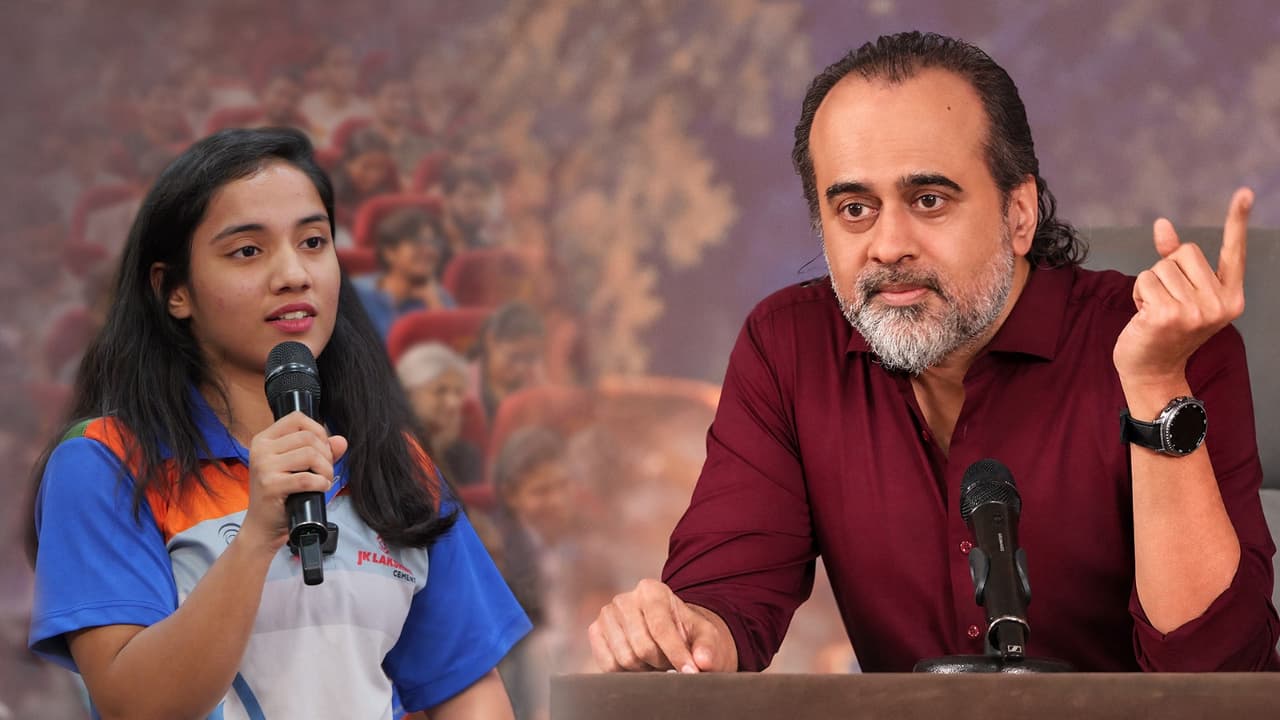
अध्यात्म कोई अलग विषय या पुरानी परंपरा नहीं, बल्कि स्वयं को जानने की सतत जागरूकता है। विज्ञान, चिकित्सा या एआई जैसे सभी क्षेत्र बाहरी ज्ञान से जुड़े हैं, जबकि अध्यात्म उस व्यक्ति को समझने की प्रक्रिया है जो इनका उपयोग करता है। यदि इंसान स्वयं को नहीं समझता, तो उसका ज्ञान दिशाहीन हो सकता है। सही समझ ही तकनीक और शक्ति को मानव कल्याण की दिशा देती है।
जिसने ब्रह्म को जाना, अब वो ये नहीं कहेगा कि मुझे ब्रह्म की आरती उतारनी है। भक्त भगवान की आरती उतारेगा, भजन-कीर्तन करेगा, प्रार्थना करेगा, झुकेगा। ब्रह्मविद् कहीं नहीं झुकता, वो कहता है, ‘अब किसके चरण स्पर्श करूँ, दूसरा कोई है ही नहीं!’
आत्मा न अलग-अलग है, न एक-जैसी है। नहीं कहा जा रहा है कि वो अलग-अलग है, नहीं कहा जा रहा है कि वो एक-जैसी है; नहीं कहा जा रहा है वो एक भी है। क्योंकि अगर वो एक है तो आत्मा नहीं हो सकती; वो होगा कोई मानसिक विचार, होगी कोई धारणा। इतना ही समझ लीजिए कि हम सबका अलग-अलग प्रतीत होना भ्रम है; पर वहाँ तक मत जाइए कि हम सब एक हैं। न ही अलग हैं, और एक भी नहीं हैं।
Acharya Prashant: If you live on the circumference of life, things will always be fragmented for you. Not that things are actually fragmented. It's just that what you experience is decided by your location. That's why I love to continuously ask, “Are you all experiencing the same thing here?” not
Practices do not determine the core of spirituality; consciousness does. If someone is feeding you practices in the name of spirituality, then that fellow is either ignorant or cunning or both, which is actually the same thing.
Questioner: Shankaracharya proclaimed the Advait (non-dualism) philosophy and Madhavacharya proclaimed Dvait (dualism) philosophy. We cannot say who is correct and who is incorrect. That was their truth. These two are extremely opposite. Which is the exact Truth?
आचार्य प्रशांत: पहला सवाल, यूरोपियन दार्शनिक जाँ जाक रूसो का प्रसिद्ध कथन है-
“मनुष्य मुक्त पैदा होता है किन्तु हर जगह वह बेड़ियों में जकड़ा हुआ है (मेन इज़ बोर्न फ्री, बट एवरीवेयर ही इज़ इन चेन्स)” कृपया इसको समझायें।
Acharya Prashant (AP) All the diversities that you see are the world. And these diversities are what make the mind suffer and here the sages have picked up all the diversities and have said that all these diversities are actually one. The distinctions are merely apparent. Actually, there is an
Questioner (Q): In this modern age, ancient Indian practices are mostly forgotten. There are the traditions with their virtues, values, and wisdom, and there is a lot there that we could learn from. Sadly, they are all forgotten now. People do not practice spirituality or follow these truths that we…
Questioner (Q): Next one comes from Ron Jagannathan. He says the core philosophy of Advaita Vedanta is experiencing Brahma. Ramana Maharshi advocated direct enquiry for the same. How many people have experienced Brahma this way? How long does the training usually take?
प्रश्नकर्ता: 2012 से विभिन्न आध्यात्मिक संस्थाओं से जुड़ा हूँ, जहाॅं पर विधियों के मार्ग पर चलना सिखाया जाता है। अब पिछले एक साल से आपको सुनना शुरू किया है, और सबकुछ व्यर्थ लगने लगा है, संसार का कोई भी काम रास नहीं आता, पर फिर भी विधियों के प्रति आकर्षण
प्रश्नकर्ता: जब आपसे लोग पूछते हैं कि क्या आप एनलाइटेंड (प्रबुद्ध) हैं, तो आप बार-बार एक ही जवाब देते हैं, न हूँ, न कभी होने वाला हूँ। कहीं ये वही बात तो नहीं कि हमें किसी चीज़ का अनुभव न हो, तो हम कह दें कि वैसी कोई चीज़ होती…
प्रश्नकर्ता: आचार्य जी, जब सत्य या चेतना चुनाव करते हैं तो विवेक क्या है? चेतना और सत्य क्या भिन्न हैं? जब हम अध्यात्म की पहली सीढ़ी चढ़ते हैं, तो क्या विवेक ही नहीं है जो बढ़ता है? जहाँ अभी तक समझ में आया है तो ऐसा प्रतीत होता है कि
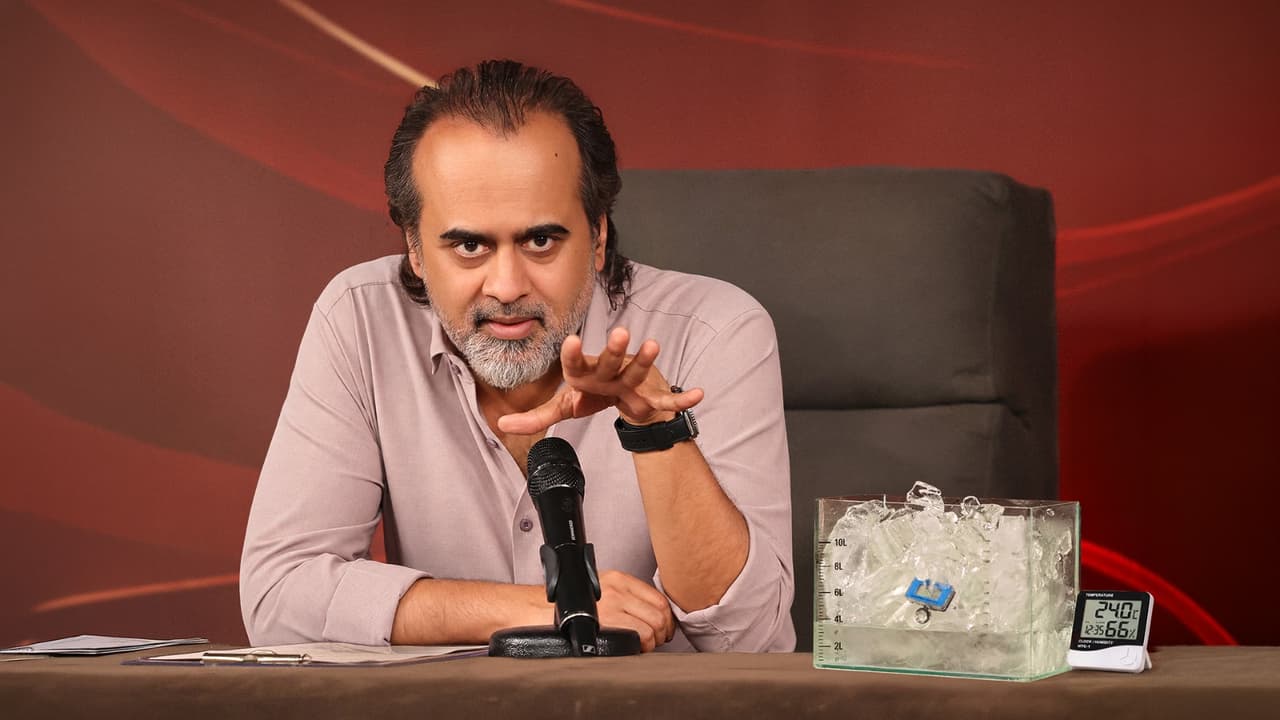
We are told that cleaner technology will solve the climate crisis. But emissions begin before any fuel is burnt, in a life that has no joy and so keeps reaching for the next lower pleasure: the party, the trip, the purchase. The demand for pleasure is not wrong. What matters is which pleasure we seek. Music, books, sport and real company cost the planet almost nothing. Can we look honestly at what our own consumption is trying to fill?
Search
21
आप ‘अद्वैत’ को कोई सिद्धांत समझते हैं? जब तक ‘मैं’ है, तब तक दुनिया और दूसरा भी है, यही द्वैत है। अद्वैत तब होता है जब ‘मैं’ ही अपने मिथ्यात्व को देख ले। तब न कहने वाला बचता है, न कहने को कुछ। अद्वैत कोई विचार नहीं, अस्तित्व का अनुभव है। यह अहंकार के समाप्त होने का नाम है, जहाँ सिर्फ़ बोध शेष रह जाता है।
जन्म लिया तो मरेगा, जन्म लिया तो मरेगा, जन्म लिया तो मरेगा तू, जन्म लिया तो मरेगा। ये मृत्यु का नहीं, अमरता का गीत है। इसका मतलब है: अजन्मे रहो, अमर रहो। देह का ही तो कहते हो कि जन्म हुआ। तो अजन्मे रहने का अर्थ है: देह मत बनना, चेतना बनना, जानना। जानना, नहीं तो एक्शन-रिएक्शन के ही खेल में फँस जाओगे और फिर उसमें दुख आ जाता है ज़िंदगी में। तो दुख से बचने का गीत है ये। ये आशीर्वाद है; अजन्मे रहो, अमर रहो।
हम जो लगातार चुनाव करते रहते हैं, वही हमारा बंधन है और चुनाव के इसी अधिकार में हमारी मुक्ति की कुंजी भी है। उपनिषद् हमें सही चुनाव करने का तरीका बताते हैं। ऋषियों का एक-एक शब्द बेचैन मन की शांति हेतु ही है। यही उपनिषदों का एकमात्र उद्देश्य है। जहाँ कहीं भी पाओ कि जो रास्ता तुम चुन रहे हो वह तुम्हें और अधिक आश्रित बना देगा — बचो। और अगर कोई ऐसा रास्ता है जिस पर चलकर तुम्हारे बंधन टूटेंगे, तुम स्वावलंबी होते जाओगे — उस रास्ते पर आगे बढ़ जाओ।
वेदांत समझने के लिए ज़ोर लगाना पड़ता है, बुद्धि लगानी पड़ती है, जबकि आम आदमी को एक बिलीफ़ सिस्टम ज़्यादा आसान लगता है। फिर वेदांत को समझाने वाले लोग भी बहुत ज़्यादा नहीं हुए हैं। धर्म, जिसमें बढ़िया कुछ मनोरंजन और स्वार्थ-पूर्ति होती हो, लोगों को आकर्षक लगता है — वहाँ मूल्य नहीं चुकाना होता, जबकि वेदांत, अगर जो समझेगा, तो मिटेगा — और समझने वाला मिटने के लिए तैयार नहीं होता। इसलिए वेदांत इतना नहीं प्रचलित हो पाया।
Excerpts from Articles
Stuck Between Job Security and Your Real Passion?
Struggling to choose between a secure job and the path you actually feel drawn to? This isn't really a question about careers. It's about why other people's opinions have so much power over you in the first place. Real clarity doesn't come from finding the 'right' choice. It comes from honestly looking at your own fear, again and again, until it stops running the decision for you.
फ़ालतू खर्च छोड़िए, अपनी ज़िंदगी पर खर्च करना सीखिए
आचार्य प्रशांत बताते हैं कि क्यों हम सही खान-पान, स्वास्थ्य और अपने ऊपर ज़रूरी खर्च से बचते हैं, लेकिन दिखावे और फ़ालतू सामाजिक परंपराओं पर पैसा बहा देते हैं। अधिकांश लोगों के लिए समस्या सिर्फ़ पैसों की कमी नहीं, बल्कि विवेक और सही प्राथमिकताओं की कमी भी है।
एक पुजारी जो रोज़ भूत-प्रेत, तंत्र-मंत्र और वशीकरण के नाम पर आए लोगों से मिलता है, आचार्य प्रशांत से पूछता है: जब वो ख़ुद जानता है कि कुछ भूत-चुड़ैल नहीं होता, तो लोग बार-बार इसी झूठ की शरण में क्यों जाते हैं? जवाब अंधविश्वास से कहीं गहरा निकलता है — यह हमारे भीतर के उस झूठ की कहानी है, जिसे हम हर कीमत पर बचाना चाहते हैं।
Climate change is more than an environmental crisis—it is a crisis of human choices. Our patterns of consumption, consumerism and endless pursuit of more are putting increasing pressure on the planet. But meaningful change does not necessarily begin with new technology or stricter policies. It begins with a deeper question: what are we willing to change within ourselves?
ज्योतिष कितना सच है? कुंडली, ग्रह-नक्षत्र: इनका क्या अर्थ है?
वेदांत को केवल इसलिए सही या श्रेष्ठ नहीं माना जा सकता कि वह किसी विशेष परंपरा से आता है। विज्ञान जहाँ भौतिक जगत की वस्तुनिष्ठ जाँच करता है, वहीं अद्वैत वेदांत सीधे मनुष्य के ‘मैं’, उसके दुख, बंधन और मुक्ति की पड़ताल करता है। इसकी कसौटी वैज्ञानिक प्रमाण नहीं, बल्कि अपने जीवन में इसकी सच्चाई को देख पाना है। किसी दर्शन को मान लेना नहीं, बल्कि उससे स्वयं को मुक्त करना ही उसका वास्तविक उद्देश्य है।
Justice Without Boundaries: Why Compassion Cannot Stop at Species
Oppression should not see caste, gender, creed or colour, and it should not see species either. The moral threshold is sentience, not intelligence. An animal feels pain as fully as a human does, whether or not it can explain its suffering.
It doesn’t matter whether you talk of *Advait* or *Dvait*. Do you finally admit that you cannot proceed any further with words? If your *Advait* says that I have come to the final truth, then your *Advait* is bogus. If your *Dvait* says that this is the ultimate expression, then your *Dvait,* too, is a fallacy. You may say *Advait,* you may say *Dvait,* you may even say *Trait,* or you may say anything of your choice. You are free to say whatever you want to, but all of that must surrender.
AIR host (AIR): A very good morning to all our listeners tuned in! And a warm welcome to the brunch time show this Saturday morning with your friend Kiran! And this morning we have a very, very enlightened guest with us who is going to be sharing his views and…
Questioner: Sir, it is pretty evident that I exist and you exist, but you have also stated that the ego does not exist. So, when someone calls you Acharya Prashant and you reply, isn’t that an identification that reflects an ego?
Acharya Prashant: It is a thing that is useful…
…
Vedanta is a philosophy, and unfortunately, the commonly practiced Hindu religion draws very little from it. How can a philosophy be exclusive to a religion? Religion includes a God, a prophet, holy books, and commandments, none of which apply to Vedanta. It lets one explore 'who I am', what this world is, and how to end my suffering.
The mind suffers because of the choices that it makes, thinking of one object as superior than the other object. “All is one” is not an objective statement. “All is one” refers, not to the objects, but to the subject and the relationship that the subject strikes with the various objects. As long as one thing appears more desirable than the other things, how can “All is one” be true to you? Have you, in your inner journey, come to a point where you do not see anything as excessively desirable and anything as too repugnant?
Prakriti is another name for duality. Prakriti carries two ends. At one end is the perceiver, and at the other end is the perceived environment or objects or the world or the universe. The ‘I’ that exists at one end of Prakriti says, "I am," and no more. The other end provides a name and meaning to the "I am," the ego self. The Prakriti world exists in this ‘I’ for the sake of its enjoyment and liberation. If you can understand this, you will know the purpose of life, and you will know how to live.
Acharya Prashant: One may put it in words of his personal choice. And…
3
प्रश्नकर्ता: नमस्ते सर। आपने पढ़ने के लिए एक किताब सुझाई था जिसका नाम था ‘लस्ट फ़ॉर लाइफ़’ बाय इरविन स्टोन, जो कि विन्सेंट वैन गॉग जी की बायोग्राफ़ी थी। सर, उन्होंने जो संघर्ष किया अपनी पूरी ज़िन्दगी में और वो बहुत कम आयु पर ही चले गये थे। क्या उनका…
2
आचार्य प्रशांत: कर्मसंन्यास और कर्मयोग क्या हैं? दोनों में अन्तर क्या है? आमतौर पर हम जिसे कर्म कहते हैं; वो कैसे होता है? वो ऐसे होता है कि जैविक रूप से और सामाजिक रूप से मन संस्कारित रहता है। फ़िज़िकल, सोशल दोनों तरह के संस्कार। तो मन में पहले…
“यह जगत् मन का विलास है, दीखने पर भी नष्टप्राय है, अलातचक्र (लुकारियों की बनेठी)– के समान अत्यन्त चंचल है और भ्रम मात्र है— ऐसा समझे। ज्ञाता और ज्ञेय के भेद से रहित एक ज्ञानस्वरूप आत्मा…
4
अन्तरिक्षचयाणां च दानवोत्तम पक्षिणाम्।
उत्तिष्ठते यथाकालं मृत्युर्बलवतामपि।।
दानवश्रेष्ठ! आकाश में विचरणे वाले बलवान पक्षियों के समक्ष भी यथासमय मृत्यु आ पहुँचती है।
~ आजगर गीता, श्लोक १६
दिवि सञ्चरमाणानि ह्नस्वानि च महन्ति च।
ज्योतींष्यपि यथाकालं पतमानानि लक्षये।।
आकाश में जो छोटे-बड़े ज्योतिर्मय नक्षत्र विचर रहे हैं, उन्हें भी मैं यथासमय…
बुद्धि की वृत्ति ही देह, इन्द्रिय, प्राण, मन और चेतना आत्मा के संघातरूप से निरन्तर परिवर्तित होती रहती है। यह वृत्ति तमोगुण से उत्पन्न होने वाली होने के कारण अज्ञानरूपा है और जब तक यह रहती है, तब तक ही संसार में…
श्री भगवान् उवाच
सत्त्वं रजस्तम इति गुणा बुद्धेर्न चात्मन:।
सत्त्वेननान्यतमौ हन्यात् सत्त्वेन चैव हि।।
भगवान श्रीकृष्ण कहते हैं — प्रिय उद्धव! सत्त्व, रज और तम — यह तीनों बुद्धि (प्रकृति) के गुण हैं, आत्मा के नहीं। सत्त्व के द्वारा रज और तम — इन दो गुणों पर विजय प्राप्त कर…
5
आचार्य प्रशांत: हम जैसे जीते हैं, हमारे लिए दो हैं, एक संसार और एक हम। संसार और एक हम, कुछ हम संसार की बात करते हैं, कुछ हम अपनी बात करते हैं। जब हम अपनी बात करते हैं तो भी हम अपने आप को देखते उन्हीं उपकरणों से और उसी…
3
तत्व क्षेत्रं व्योमातीतमहं क्षेत्रज्ञ उच्यते।
अहं कर्ता च भोक्ता च जीवनमुक्त: स उच्यते।।
पृथ्वी, जल, अग्नि, वायु, आकाश इन पंच तत्वों से बना ये शरीर ही क्षेत्र है तथा आकाश से परे अहंकार ही क्षेत्रज्ञ है। ये ‘मैं’ ही समस्त कर्मों का कर्ता और कर्म फलों का भोक्ता है, इस…
5
सर्वभावं न सन्देह : सर्वं नास्ति न संशय:।
सर्वं तुच्छं न सन्देह : सर्वं माया न संशय:।।
All is thought. There is no doubt of this.
All is not. And there is no doubt of this.
All is trifling. And there is no doubt of this.All is illusion. And…
…
2
Questioner (Q): My gratitude, Acharya ji.. I've been listening to you for more than a year. It was a great pleasure, it was an amazing bliss in Rishikesh. And I just bought a book in IISc the first day and I finished reading it in three days because I thought…
Share
Acharya Prashant (AP): Ron, that's not the core…
शेयर
करना किसी भी
टॉपिक
को लेकर
डिस्कशन
हो रहा है। तो
रिलेटिव्स
भी मुझसे कतराने लगे फिर बात करने से।
आचार्य प्रशांत: नहीं, तो उनसे आप…
3
प्रश्नकर्ता: प्रणाम आचार्य जी! मैंने ट्विटर पर नासा के ऑफिसियल (आधिकारिक) चैनल पर एक पोस्ट देखा था जिसने वो ये कह रहे हैं कि गैलेक्सी (आकाशगंगा) के जो क्लाउड्स (बादल) हैं उसमें उन्होंने साउंड (ध्वनि) डिटेक्ट (पता) कर ली है और उसका जो ऑडियो (श्रव्य) है वो ऑनलाइन रिलीज़ भी…
1
प्रश्नकर्ता: प्रणाम आचार्य जी। आपने अभी बताया कि जिसका अनुभव हो वह द्वैत है और अद्वैत का कोई अनुभव नहीं होता। अगर मौन का भी अगर अनुभव है तो वो मौन नहीं है। और असली अनुभव जब होता है तो अनुभोक्ता नहीं होता। आचार्य जी जीवन के इतने समय में…
…
Share
3
आचार्य: हर शब्द का अपना एक माहौल होता है, एक पृष्ठभूमि होती है, वो कहाँ से आ रहा है। तो जब मन में बहुत कुछ भरा रहे, संसार बहुत अर्थपूर्ण लगे तब शून्यता शब्द की प्रासंगिकता है।
जब लगे कि आगे-पीछे जो कुछ है, ऊपर-नीचे जो कुछ है, स्मृतियों में…
…
1
आचार्य: देखो, आदमी बहुत पुराना है। है न? जो पूरी हमारी विकास की प्रक्रिया ही रही है जिसमें हम जंगल से उठे हैं, वो करोड़ों साल पुरानी है। जैसा हम मनुष्य को जानते हैं, कम–से–कम सत्तर हजार साल पुराना है। और जैसा हमारा आज का शारीरिक आकार है और रूप…
समझदार वो है, बोध उसे है,
विज़डम
इसी में है—इस बात को सूत्र की तरह पकड़ लिया जाये कि दुनिया की चीजें, जो कुछ भी जगत में मौज़ूद है, त्रिगुणात्मक (सतोगुण, रजोगुण, तमोगुण) प्रकृति में मौज़ूद है, उससे वो तो नहीं मिलने वाला जिसके लिए कलप रहे हो।
…
प्रश्नकर्ता: प्रणाम आचार्य जी, कई मानसिक झंझटों से छूटने और पाँच वर्षों से चल रही रिलेशनशिप (सम्बन्ध) के टूटने के बाद मैंनें अपनी ग्यारह वर्षीय पुरानी सरकारी सेवा से त्यागपत्र इसी वर्ष मई में दे दिया। मैंने अपने जुनून को — जो कि पढ़ाना है — समय देना अधिक उचित…
भाग 1
आचार्य प्रशांत: (पत्र पढ़ते हैं) शैलेन्द्र भास्कर हैं, कानपुर से।
मैंनूं कौन पछाणे
हादी मैंनूं सबक पढ़ाया, ओत्थे होर न आया-जाया,
मुतलिक ज़ात जमाल विखाया, वहदत पाया ज़ोर नी।
गुरु ने मुझे शिक्षा दी कि यह मार्ग ऐसा है कि वहाँ कोई अन्य आता-जाता नहीं है। गुरु ने…
किसी बड़ी जीत के बाद मन करता है कि अब बस, जो पाने लायक था, पा लिया, अब सब कुछ ऐसा ही बना रहे। पर रुकने की यह चाह उस पहचान से उठती है जो जीत के साथ हमने ओढ़ ली है और जिसे हम बचाए रखना चाहते हैं। जीवन में कुछ भी ठहरा हुआ नहीं है, और चलती राह पर जो रुक जाता है, वह घिसने लगता है। पिछली चुनौती जीती ही इसलिए जाती है कि उससे बड़ी उठाई जा सके। क्या हम देख पाएँगे कि सेटल होने की चाह में हम असल में क्या बचा रहे हैं?
When someone calls us ugly or dumb, it can feel as if our confidence has been taken away. But others are outsiders; they cannot know us as well as we can know ourselves. The trouble begins when we do not know ourselves, so we start looking at ourselves through others’ eyes. Self-knowledge here simply means being honest with ourselves about where our likes, fears and desires come from. What would change if we looked at ourselves directly, and not through others’ opinions?
Physical weakness does not stay physical. It becomes mental weakness, and the ego, which turns everything into an identity, starts saying “I am weak” because that line brings support and spares it responsibility. Visible strength works even unused: it keeps the opponent outside wary and silences the one within, who can no longer claim to be helpless. Keeping the body strong is therefore a spiritual matter, not vanity. Are we holding on to weakness because it is convenient?
सच की राह पकड़ते ही अक्सर अपने ही लोग बदल जाते हैं, और हम मान लेते हैं कि शायद हम ठीक से समझा नहीं पा रहे। पर सामने वाला समझ तो रहा होता है, उसे बस सौदा नहीं जँचता। अहंकार लेन-देन से चलता है, इसलिए अकेले तर्क उसे नहीं हिलाते। हमारा अपना अहंकार भी यही करता है: थोड़े-से स्वार्थ के लिए हम झूठे रिश्तों में मिठास का स्वांग करते हैं, मजबूरियाँ गिनाते हैं और पीछे हट जाते हैं। जिसे हम मजबूरी कहते हैं, क्या वह सच में मजबूरी है?
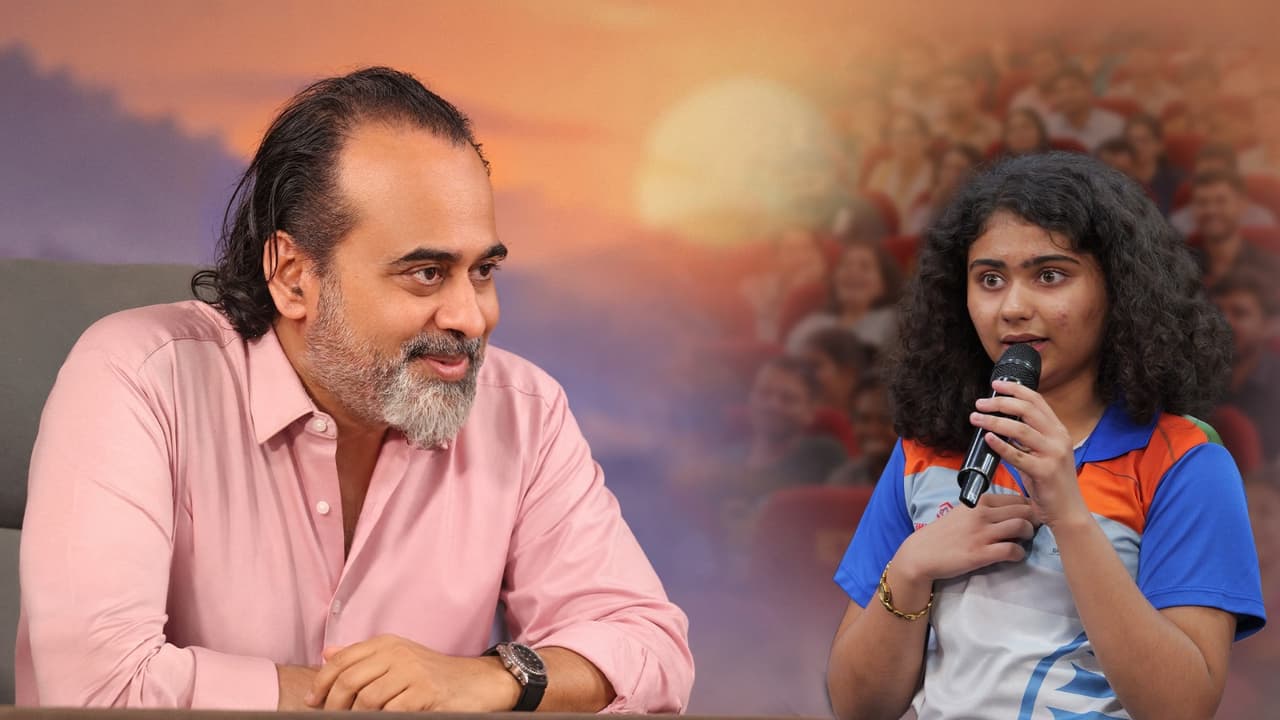
A young athlete says she knows she should not be attached to winning, yet she is, because her coach, family and country are invested in it. Wanting to win on the court is fine; that is what a contest is for. But we never know who the next opponent will be, and the one opponent always present is ourselves. She also fears that starting at 14 was too late. The past is fixed, so what is left is to play the cards we are dealt. Where does our real contest lie?
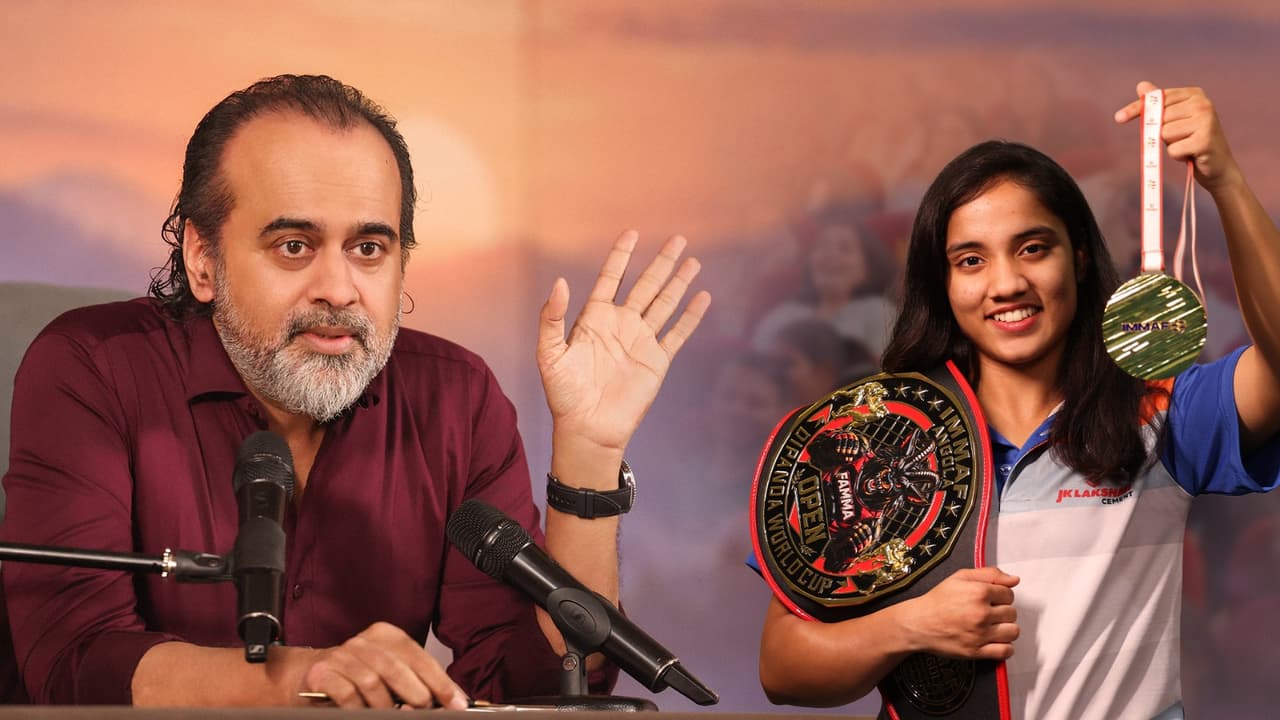
A world champion asks why she cannot sleep when a teammate outperforms her, and why even big wins leave her restless. The restlessness is not a problem but unspent energy, a sign that we have more to give. When every bit of our time and attention goes to what we have chosen, there is no surplus left to worry with. The right fight is never only against an opponent; it is against the ego within. What would it mean to fight so fully that nothing is left to celebrate or mourn?