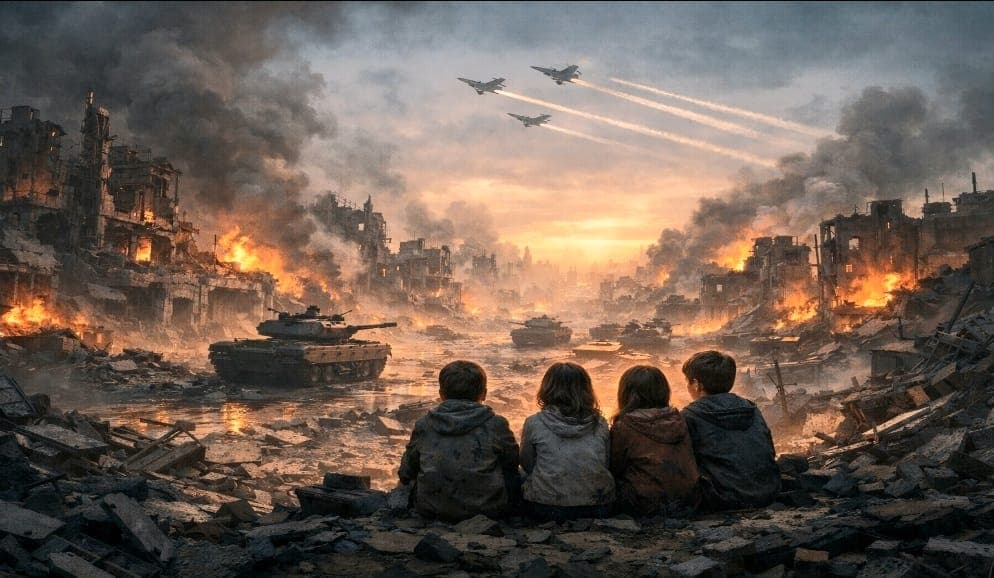
“There’s always been war, But people quickly get accustomed to peace. So they think it’s normal. No, war is what’s normal.”
~ Albert Camus
Questioner: Acharya Ji, which ‘war’ is Albert Camus referring to?
Acharya Prashant: The questioner has asked that Albert Camus has said that ‘war’ is what is…

किसी बड़ी जीत के बाद मन करता है कि अब बस, जो पाने लायक था, पा लिया, अब सब कुछ ऐसा ही बना रहे। पर रुकने की यह चाह उस पहचान से उठती है जो जीत के साथ हमने ओढ़ ली है और जिसे हम बचाए रखना चाहते हैं। जीवन में कुछ भी ठहरा हुआ नहीं है, और चलती राह पर जो रुक जाता है, वह घिसने लगता है। पिछली चुनौती जीती ही इसलिए जाती है कि उससे बड़ी उठाई जा सके। क्या हम देख पाएँगे कि सेटल होने की चाह में हम असल में क्या बचा रहे हैं?
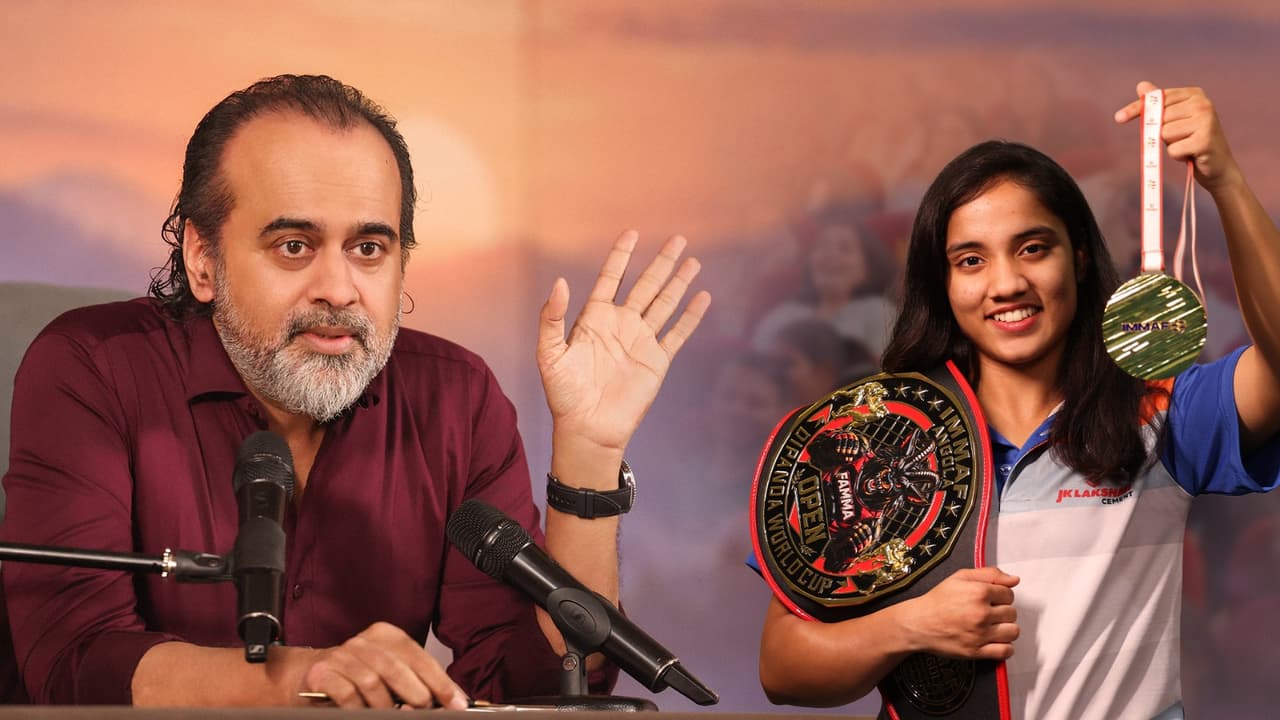
Physical weakness does not stay physical. It becomes mental weakness, and the ego, which turns everything into an identity, starts saying “I am weak” because that line brings support and spares it responsibility. Visible strength works even unused: it keeps the opponent outside wary and silences the one within, who can no longer claim to be helpless. Keeping the body strong is therefore a spiritual matter, not vanity. Are we holding on to weakness because it is convenient?

सच की राह पकड़ते ही अक्सर अपने ही लोग बदल जाते हैं, और हम मान लेते हैं कि शायद हम ठीक से समझा नहीं पा रहे। पर सामने वाला समझ तो रहा होता है, उसे बस सौदा नहीं जँचता। अहंकार लेन-देन से चलता है, इसलिए अकेले तर्क उसे नहीं हिलाते। हमारा अपना अहंकार भी यही करता है: थोड़े-से स्वार्थ के लिए हम झूठे रिश्तों में मिठास का स्वांग करते हैं, मजबूरियाँ गिनाते हैं और पीछे हट जाते हैं। जिसे हम मजबूरी कहते हैं, क्या वह सच में मजबूरी है?

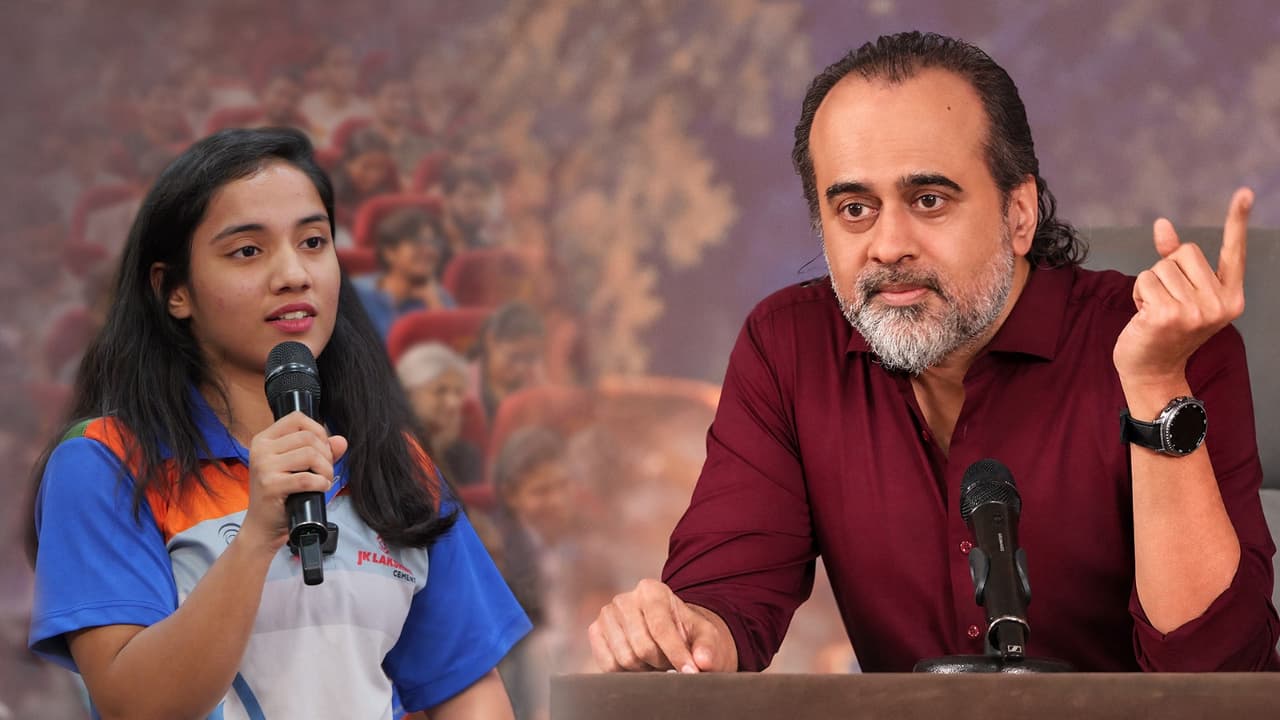
A world champion asks why she cannot sleep when a teammate outperforms her, and why even big wins leave her restless. The restlessness is not a problem but unspent energy, a sign that we have more to give. When every bit of our time and attention goes to what we have chosen, there is no surplus left to worry with. The right fight is never only against an opponent; it is against the ego within. What would it mean to fight so fully that nothing is left to celebrate or mourn?

We often defend a bad choice by pointing to a worse one: stay dishonest or starve, keep the wrong grip or stop playing. But the real trouble is not the option we picked. It is the option we never let ourselves see. Action does not need greed or attachment to find its energy. The third way begins by rejecting both false choices, without knowing what comes next. Which of our everyday choices are really false dilemmas?

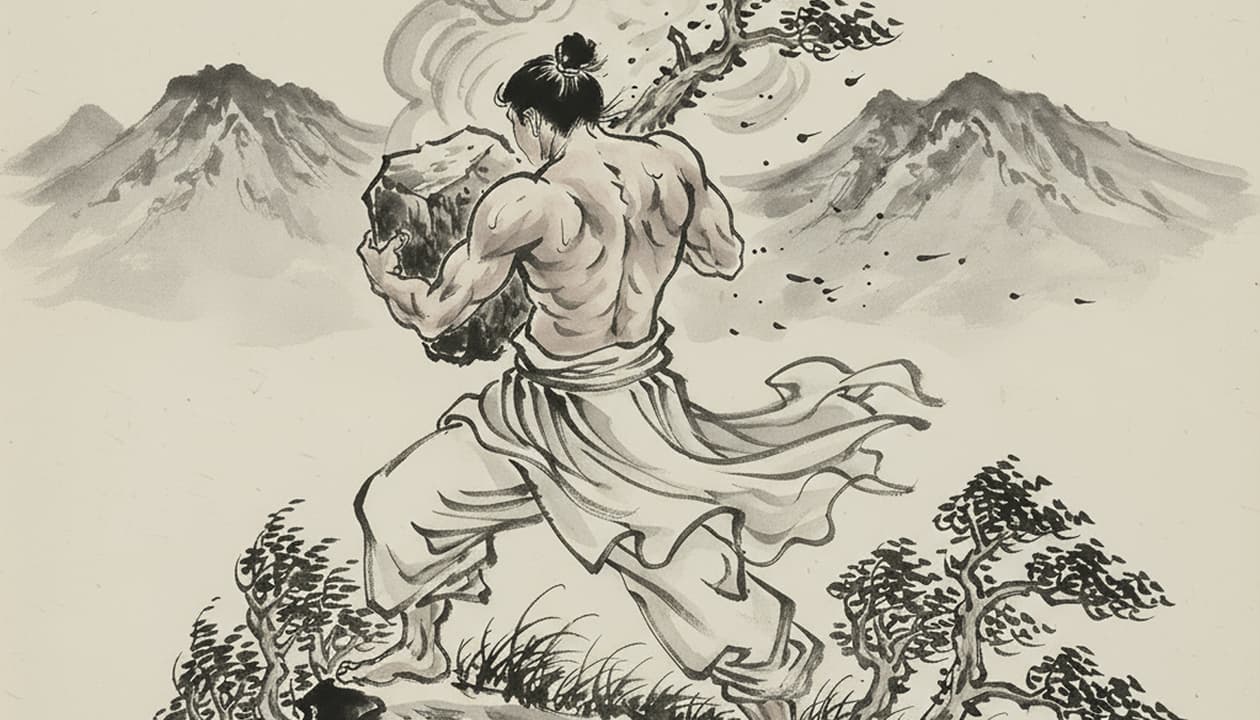
Sisyphus pushes a rock up a hill forever, knowing it will always roll back down. A regular workman does the same thing inside a job: he keeps pushing too, except he hopes it will eventually pay off, a promotion, a house, a better life. This hope is often just a comfortable lie. Sisyphus, who expects nothing and still keeps going, is actually more honest than we are. The real question is not whether the effort is worth it, but whether we can stop lying to ourselves about it.

Climate change is more than an environmental crisis—it is a crisis of human choices. Our patterns of consumption, consumerism and endless pursuit of more are putting increasing pressure on the planet. But meaningful change does not necessarily begin with new technology or stricter policies. It begins with a deeper question: what are we willing to change within ourselves?

Success never quiets the anxiety underneath it. Hustle culture runs on karma — a restless cycle of chasing the next job, package, or achievement in hopes of filling an inner void. Young professionals in Bangalore who've "succeeded" on paper remain fearful, ashamed, and unsettled within, proof that success is a liar: it promises liberation but delivers only debt. Anxiety itself traces not to the future but to a present that's been neglected, and real freedom from restlessness begins only by turning inward.

Science can examine material claims, but Advaita Vedanta deals with the subjective self, ego, suffering, bondage, and liberation—areas outside science’s objective framework. Vedanta need not be accepted because of one’s religion or tradition; its value lies in whether its insights can be personally verified and help free one from suffering. The ultimate responsibility is not toward any philosophy, but toward oneself: to live a truly free life.

Superhero films appeal to our desire to escape inner inadequacy through external power. The fantasy of an ordinary, fearful person becoming extraordinary reinforces the ego’s belief that more strength, money, possessions, or status will bring happiness. Consumerism follows the same pattern, endlessly adding objects to fill an inner void. Real freedom does not come from becoming more powerful or acquiring more, but from honestly seeing and understanding the ego that feels incomplete.

True freedom begins when we question the beliefs that make us feel trapped. Most of our suffering comes not from circumstances but from unquestioned assumptions, attachments, and imagined obligations. By suspending our beliefs, even briefly, we allow truth to enter, revealing that life always offers choice. Transformation is born from love for truth, the courage to let go, and the willingness to step beyond the boundaries created by the ego.

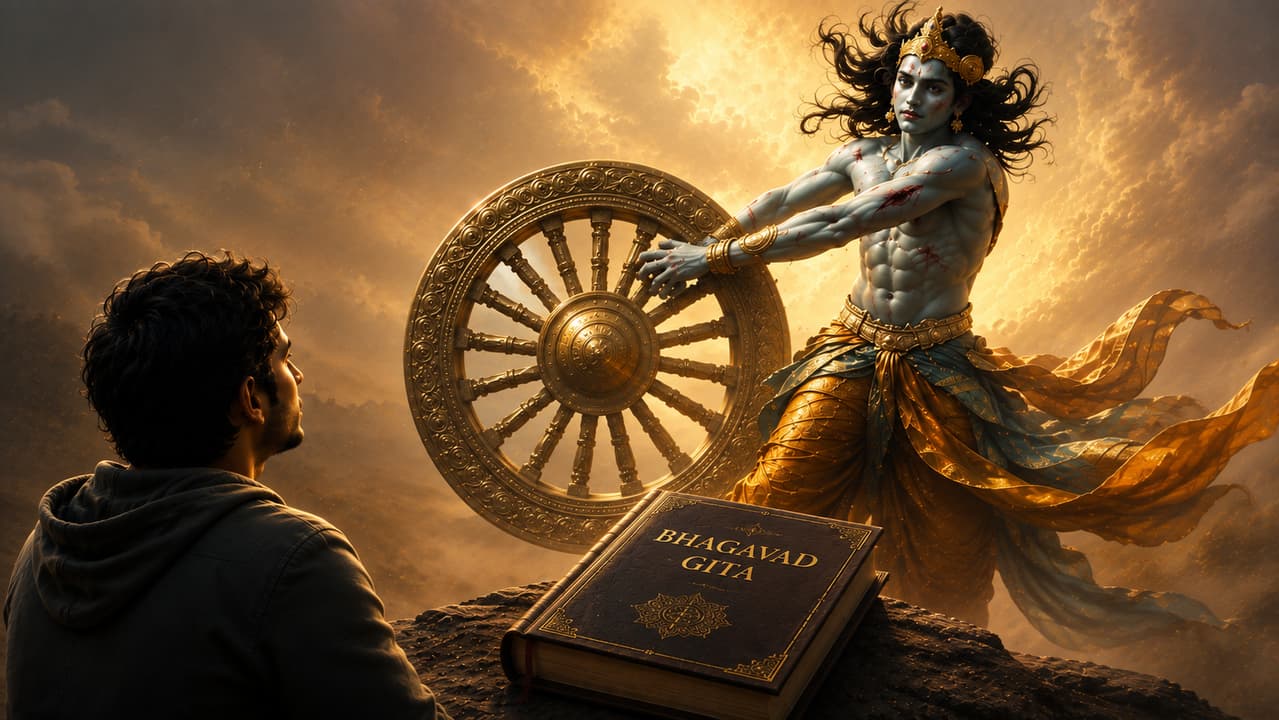
The Bhagavad Gita deserves reverence not because of inherited beliefs about its author, but because of its power to dissolve falsehood and reveal Truth. Real devotion is not ritual or blind faith—it is understanding, inquiry, and living the wisdom of the Gita. Through sincere study, one discovers the true meaning of Krishna, making the Gita the most authentic path to knowing and worshipping Him.

समझदारी याददाश्त से नहीं, समझ से आती है। जीवन हर पल नए प्रश्न पूछता है, इसलिए रटे हुए उत्तर नहीं चलते। जानकारी बाहर से मिल सकती है, पर सही उत्तर तभी जन्म लेते हैं जब मन वर्तमान में पूरी तरह उपस्थित हो। जो समझ में न आए उसे रटने के बजाय प्रश्न करो, जिज्ञासु बने रहो। सीखने का सार स्मृति नहीं, जागरूकता, समझ और वर्तमान क्षण में जीने की क्षमता है।

अज्ञान भय पैदा करता है, जबकि ज्ञान से आनंद और मस्ती जन्म लेते हैं। सच्ची मित्रता, प्रेम और शांति किसी को पकड़ने से नहीं, बल्कि स्वतंत्रता देने से मिलते हैं। मन स्वयं चंचल नहीं होता; उसमें क्या भरा जाए, यह हमारी सजगता तय करती है। जीवन का उद्देश्य केवल जानकारी जुटाना नहीं, बल्कि ज्ञान से प्रेम करना, प्रश्न करना, आत्मावलोकन करना और अपने भ्रमों को पहचानकर भीतर की स्वतंत्रता की ओर बढ़ना है।

लोग अपनी राय की रक्षा इसलिए नहीं करते कि वह सत्य है, बल्कि इसलिए क्योंकि भीतर से उन्हें उसकी कमजोरी का पता होता है। झूठ सबसे जल्दी आहत होता है और सच से डरता है। इसलिए सत्य बोलने पर यदि कोई टूटता है, तो उसके झूठ के लिए स्वयं को दोषी नहीं मानना चाहिए। जहाँ वास्तव में गलती हो, वहाँ विनम्र बनें; लेकिन सत्य के पक्ष में खड़े होने के लिए अपराधबोध या दूसरों की नाराज़गी का बोझ उठाना आवश्यक नहीं है।

आत्मज्ञान के बिना समाज, पर्यावरण या किसी भी बाहरी समस्या का स्थायी समाधान संभव नहीं, क्योंकि हर संकट की जड़ मनुष्य की चेतना में है। बाहरी सुधार, नीतियाँ या अभियानों की अपनी भूमिका है, लेकिन वे मूल कारण को नहीं बदलते। इसलिए सबसे आवश्यक कार्य है स्वयं को बदलना और सत्य के प्रति गंभीर होना। जो व्यक्ति सत्य के प्रति उदासीन है, उससे स्वीकृति या मान्यता की अपेक्षा करना भी व्यर्थ है।

Real change begins not by changing the world alone but by understanding the one trying to change it. Laws, technology, policies, and scientific progress have value, yet they cannot solve problems rooted in human consciousness and endless desire. Truth remains the same across cultures and disciplines, requiring only a change in language, not in essence. Lasting solutions emerge through honesty, self-inquiry, and inner transformation, because no external system can replace a change in the human mind.

Science and philosophy arise from different kinds of inquiry. Matter seeks continuity of state, while the ego seeks continuity of existence and constantly changes identities to preserve itself. Fear, danger, and suffering are rooted in the ego’s sense of “I,” not in material reality itself. Questions are valuable because they expose hidden beliefs, and genuine learning requires challenging assumptions through inquiry, dialogue, and self-examination.

Operating from the highest inner point means living with honesty rather than self-created illusions. The ego becomes “higher” not through mystical growth but by dropping false self-images and testing its claims against reality. When honesty weakens, lower motives take control, creating inner conflict and disorder. Real growth lies in continuously questioning oneself, facing uncomfortable truths, and preventing the ego from being driven by comforting but deceptive beliefs.

अध्यात्म कोई अलग विषय या पुरानी परंपरा नहीं, बल्कि स्वयं को जानने की सतत जागरूकता है। विज्ञान, चिकित्सा या एआई जैसे सभी क्षेत्र बाहरी ज्ञान से जुड़े हैं, जबकि अध्यात्म उस व्यक्ति को समझने की प्रक्रिया है जो इनका उपयोग करता है। यदि इंसान स्वयं को नहीं समझता, तो उसका ज्ञान दिशाहीन हो सकता है। सही समझ ही तकनीक और शक्ति को मानव कल्याण की दिशा देती है।

आप ‘अद्वैत’ को कोई सिद्धांत समझते हैं? जब तक ‘मैं’ है, तब तक दुनिया और दूसरा भी है, यही द्वैत है। अद्वैत तब होता है जब ‘मैं’ ही अपने मिथ्यात्व को देख ले। तब न कहने वाला बचता है, न कहने को कुछ। अद्वैत कोई विचार नहीं, अस्तित्व का अनुभव है। यह अहंकार के समाप्त होने का नाम है, जहाँ सिर्फ़ बोध शेष रह जाता है।
युद्ध, मुनाफाखोरी और हिंसा का मूल कारण अहंकार है, जो अपने स्वार्थ के लिए दूसरों ही नहीं, स्वयं को भी नष्ट कर सकता है। समाज अपनी बुराई को स्वीकार नहीं करता और खुद को अच्छा मानकर धोखे में जीता है। इसी अज्ञान से शोषण, युद्ध और अन्याय चलते रहते हैं। समाधान केवल आत्म-अवलोकन और भीतर की सच्चाई को ईमानदारी से देखने में है।

Global conflicts stem not from geopolitical interests but from the ego's fundamental incompleteness. Nations are merely expressions of collective egoic consciousness. Leaders represent humanity's worst tendencies, not its average. The ego requires duality and boundaries to survive. True disarmament means detoxifying the ego itself. External wars reflect internal disturbance. No diplomatic solution addresses the root cause, only wisdom and self-knowledge can dissolve the ego's need for conflict and separation.

अहंकार मनुष्य की मूल समस्या है। हम ज्ञान समझते हैं पर उस पर चल नहीं पाते क्योंकि अहंकार को अपनी पहचान के लिए दूसरों की आवश्यकता है। परिवार, समाज, विचारधारा से हम सौदा करते हैं - अपनी स्वतंत्रता बेचते हैं। सच्चा प्रेम स्वयं को और दूसरों को मुक्त करना है, न कि बंधन में रखना। ईमानदारी से अपने झूठ को देखना ही सत्य है।

प्रश्नकर्ता: आचार्य जी, जैसे मैं पहले ओशो जी और जिद्दू कृष्णमूर्ति जी के रंग में रंगा हुआ था और अब आपके रंग में रंगा हुआ हूँ। मुझे ये समझ नहीं आता कि यह मेरी जिज्ञासा मात्र है, प्रेम है या पागलपन?
आचार्य प्रशांत: जैसे आपने कहा था कि मन में…

Question: A gentleman was saying that a person, who is drinking or is drunk, he still has got some kind of stability on mind, and he too, can judge. That is what I felt to be perhaps wrong. A person who is drunk probably loses his judgement and whatever we…

Question: Sir, people these days emphasis on the idea of the ‘Power of now’. But you say that the present is different from the now. Please elaborate.
Speaker: This whole talk about the power of now is a great sham. It is deep materialism disguised as spirituality. The present is…

Questioner: Acharya Ji, Pranaam! I read the six chapters from the book allotted to me yesterday. And now I don’t want to stop and there is a feeling of stillness. But when I look back to conclude what I have read, I cannot recollect much. There is a feeling that…

Question: Dear Sir, a few questions:
Why am I so attracted to the personality and mannerisms of all my teachers, often curious about their lives than the truth of their teachings? When I read Jiddu Krishnamurti(JK), am I conditioned by him? Is JK’s method really ‘via negativa’ all the time?…

The only principle that truly runs this world, created by all of us, is the principle of greed and power. What do you think that fellow has earned his billions for? He didn't become a politician to be noble. The only thing that separates us from animals is the intellect, not the center the intellect is operated from. Don't locate the problem and the responsibility somewhere out there. We change ourselves; the world changes.

जो जितना ज़्यादा दूसरों की नज़रों में अपनी झूठी छवि बनाकर रखना चाहता है, उस पर तानों का उतना ज़्यादा असर होता है। अगर तानों से बचना है, तो दूसरों की नज़रों में अपनी छवि की परवाह करना छोड़ो। आपको इसलिए बुरा नहीं लगता कि किसी ने आपको कुछ ग़लत बोल दिया, आपको इसलिए बुरा लगता है कि जो सच आपने छुपा रखा था, उसने वह खोल दिया। इतने बेहतर हो जाओ कि छुपाने के लिए कम-से-कम रहे। और बेहतर होने के बाद भी जो कमज़ोरियाँ बची रहें, उनको उद्घाटित रखो, प्रकट रखो।

यह जो अलग-अलग दिखाई देता है, यह वास्तव में कुछ है क्या? यह जो अलग-अलग दिखाई देता है, यह संसार है, प्रकृति। प्रकृति में बस विविधताएँ होती हैं, अनेकताएँ होती हैं। उसमें वास्तव में कुछ अलग-अलग है क्या? अलग-अलग जो दृष्टा होते हैं, उन्हीं के कारण यह संसार सबके लिए अलग-अलग हो जाता है। तो अद्वैत कहता है, हम दृष्टा की पहले जाँच-पड़ताल करेंगे, दृश्य की बाद में बात करेंगे।

There can be no self-respect without self-knowledge. And we have been repeatedly saying that the ego survives only in lack of self-knowledge. The less you know yourself, the denser and more crystallized your ego is. Self-respect is nothing but self-awareness. The more you know yourself, the more you realize who you are not, and that brings you to who you are. That is real self-respect, knowing oneself.

कभी स्कूल गए हो वहाँ कभी किसी तीसरी क्लास के लड़के को पहली क्लास के लड़के को धुनते देखा है? देखा है? तो वही है ये। तीसरी क्लास वाले ने पहली क्लास वाले को पकड़ के पटापट- पटापट- धुन दिया, और यही है। इसका कुछ नहीं है।

यह जो ‘मैं’ है, जिसे सेल्फ कहते हैं, यह अपने आप में बहुत तपती हुई और अशांत चीज़ है। यह निरुद्देश्य हो कैसे सकती है? जैसे किसी आदमी को एक-सौ-चार डिग्री बुखार हो और वो कहे कि मैं डिज़ीज़लेस हूँ। एक-सौ-चार डिग्री बुखार हो तो आपके पास एक धधकता हुआ उद्देश्य होना चाहिए। क्या? बुखार उतारना है भाई! इसी तरह से जब तक ‘मैं’ है, उद्देश्य होना चाहिए। और वो उद्देश्य होगा उस ‘मैं’ की शांति।

We teach our kids to write applications: “Humbly I beg to submit that today I have an ache in my tooth.” “Humbly I beg to submit!” If you are stating a fact, if the toothache is real, why the hell are you groveling? If that is the Truth, why are you begging? Drool, drool, drool. That’s become our culture. If your philosophy tells you to submit and surrender to several masters, you will never be a truthful person, because in Truth there is no authority but the Truth.

इंसान होने का मतलब ही है बहुत कुछ होगा जो तुम्हारे सामर्थ्य से बाहर का होगा। एक चीज़ है तुम्हारे हक़ में। क्या? घटना कुछ भी घट रही हो, उस घटना को उत्तर क्या देना है। तुम्हारा प्रतिसाद, तुम्हारी प्रतिक्रिया, ये तुम्हारे अधिकार में हो सकते हैं। बिल्कुल संभव है कि बाहर बड़ी से बड़ी कठिनाई हो, कष्ट हो; भीतर तुम्हारे एक अस्पर्शित शांति बनी ही रहे। जो ऐसा कर ले गया, वो न सिर्फ़ जी गया, वो जीवन के पार निकल गया। सिर्फ़ उसी का जीवन सार्थक हुआ।

छोटे बच्चे हैं; मिर्ची लग गई। मम्मी भाग के आती है तो क्या करती है उसके मुँह में? ले, चीनी खा। ये सुख है। यह जीवन जीने की हमारी आम विधि रहती है। हमें सुख चाहिए ही इसीलिए होता है क्योंकि हम दुख में हैं। पर हम यह नहीं करते कि दुख के कारणों को ही समझ लें। जब दुख हो तो सुख की तरफ़ भागने की अपेक्षा दुख के कारणों की तरफ़ भागो, दुख के भीतर की ओर भागो। और वहाँ पता चलेगा दुख किसलिए है। पता चलते ही दुख घटना शुरू हो जाएगा। तुमने कुछ करा नहीं; तुमने सिर्फ़ जाना और जानने भर से दुख मिट गया।
Duality is Truth wanting to know itself. If there is no duality, what will the Truth do? Alone, absolutely alone. He too needs a partner. So, it divides itself into two. All our sufferings, all imperfections are important. There is no reason to feel small about it. Without you, how will the Source know what it is to fail, what it is to suffer? Indulge yourself fully, but remember what all this really is. Don’t forget that.

Every living being, from humans to the smallest species, is trying to change the world to suit its own needs. But this is not intended to do any good to the world, it is just coming from the little ego. And the ego will not say, “I'm not all right;” it will try to change the world. So, if your idea of ‘good’ is only relative to your personal self, is it right to impose it on others? You must be clear about why you aspire to change the world, and whether you have brought about any change in yourself first.

As a doctor, can we limit our responsibility to the one particular body or to the set of few bodies that come to us for treatment? Or is the patient actually a representative of an entire society, an entire ecosystem? Can I really be a good doctor of the lungs, if I support a society that pollutes the environment in the name of development? So, if I'm a doctor, then health is my responsibility in the holistic sense, not just one patient.

गिरोगे, मिट्टी लगेगी चेहरे पर, क्रोध भी आएगा, हारते हुए भी प्रतीत होओगे। ये सब अनुभव होंगे, और जब अनुभव हों तो ये मत सोच लेना कि प्रक्रिया टूट गई। होता है भाई। बल्कि हार रहे थे हारते-हारते जीत गए, तब तो और मज़ा है।

मुक्ति का मतलब ये नहीं है कि किसी को छूना नहीं है; नदी से कहना है, दूर हट, मैं पुरुष हूँ, तू प्रकृति है। आ गई भ्रष्ट करने बार-बार चली आती है। तू भी आ जाती है। न जाने कितनी सारी तो तुम हो; कोई इधर से घुस रही, कोई उधर से घुस रही। छोटी, बड़ी, लंबी, चौड़ी, हरी, काली, नीली, पीली, हर रंग की होती हैं, आ जाती हैं। किसी को मना नहीं कर रहा, वो सबको आलिंगन में ले रहा है और कह रहा है, तुम सब भी आ जाओ, तो भी मैं तो रहूँगा सागर ही।

दुख रोकना है, सुख को पकड़ो; वहीं दुख छिपा हुआ है। धोखा रोकना है, भरोसे को पकड़ो; वहीं धोखा छिपा हुआ है। चोट से बचना है, तो सहलाने वालों से बचो; वहीं से चोट आने वाली है। और चालाकी से बचना है, तो अपने भोलेपन को ध्यान से देखो; वहीं चालाकी छुपी हुई है। अज्ञान से बचना है, तो अपने ज्ञान को देखो; वहीं मूर्खता बैठी हुई है। और दुश्मनों से बचना है, तो दोस्तों से बचो। लूटने से बचना है, तो इकट्ठा करने से बचो।

It’s not going to be right when the patient starts playing the doctor. We need to grow up; and having a kid, in that sense, is an opportunity. You want to be of some use to the kid, then grow up with the kid.

This in itself is a philosophical question. This is why you should study philosophy, because you already have this question. Philosophy is your affection for the Truth, your leaning towards the Truth. Don’t you want to know the Truth? How many of you are happy with lies? Nobody. So, it is this love for Truth that we all innately have; that’s called philosophy.

ये समझना होता है कि past has a way of becoming the present. जो हमारी शरीर और मन की पूरी संरचना है, इस तरह से डिज़ाइन्ड नहीं है कि ये पास्ट को पास्ट में छोड़ दे। अगर पास्ट ही प्रेज़ेंट बन रहा है तो फ्रीडम कहाँ है? अतीत की कठपुतली बनने से मुक्त होने के लिए आपको चैतन्य प्रयास करना पड़ेगा। जो लोग वो चैतन्य प्रयास नहीं कर रहे, उन्हें ये दावा करने का कोई हक़ नहीं है कि वो फ़्री लाइफ़ जी रहे हैं। मुक्ति और क्या है? जो भी कीमत देनी पड़े, दो; पर जो स्वभाव नहीं है, उसको बर्दाश्त मत करो।

जन्म लिया तो मरेगा, जन्म लिया तो मरेगा, जन्म लिया तो मरेगा तू, जन्म लिया तो मरेगा। ये मृत्यु का नहीं, अमरता का गीत है। इसका मतलब है: अजन्मे रहो, अमर रहो। देह का ही तो कहते हो कि जन्म हुआ। तो अजन्मे रहने का अर्थ है: देह मत बनना, चेतना बनना, जानना। जानना, नहीं तो एक्शन-रिएक्शन के ही खेल में फँस जाओगे और फिर उसमें दुख आ जाता है ज़िंदगी में। तो दुख से बचने का गीत है ये। ये आशीर्वाद है; अजन्मे रहो, अमर रहो।