Story behind the happy face
We hide our own sadnesses from ourselves and we play up our happinesses, don’t we? That is not only the face we like to display to the world; unfortunately, that is also the face we like to display to ourselves.

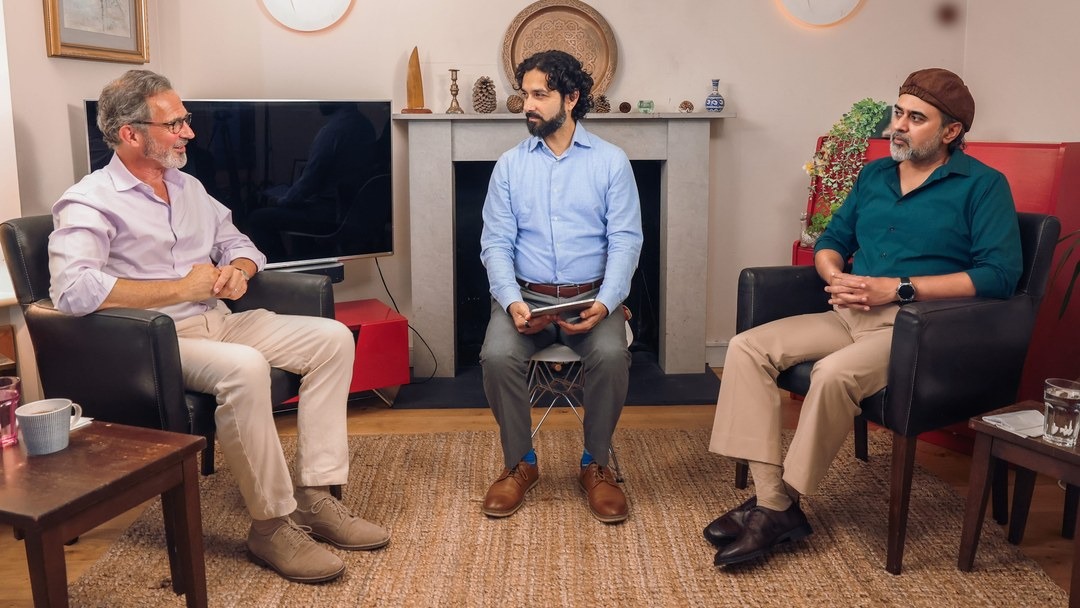
Most of us try to fix our suffering: a better job, a calmer mind, a new practice, a holier word to hide behind. But what if the trouble was never the pain itself? In this London dialogue with a teacher of non-duality, we look at who it is that says “I am”, why the sufferer hides in money and in holy concepts alike, and why non-duality is an intention, not a state. If the ego is a born lover, what does it truly want?


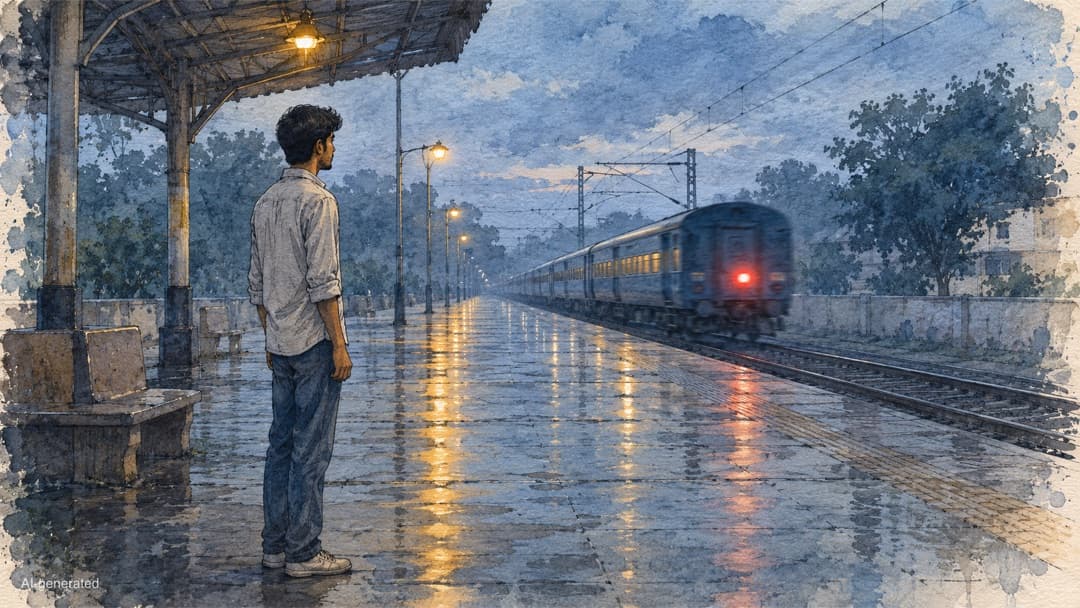
We have all felt it: a phone stolen, a job gone, someone who walked out, and suddenly it seems we were lost along with it. Things come, stay for a while and leave; that movement is not what hurts. It hurts when we were riding on what left. The same habit shows up when we try to learn: we want to be taught without our old walls being touched, and then we call the teaching confusing. So what are we really holding on to, the thing or ourselves in it?
Every year we burn Ravan, and every year he is back. We ask what the punishment for living wrongly will be, hoping it is small, or can be postponed, or paid off. But the battle never ends, and the punishment is not a sentence handed down later. It is the self we live with, so familiar that it feels normal. What we truly intend shows in what our actions keep leading to, not in what we declare. Can we look honestly at the outcomes of our own lives?