The scriptures are all outdated. Shouldn't we revise and edit them? || (2021)



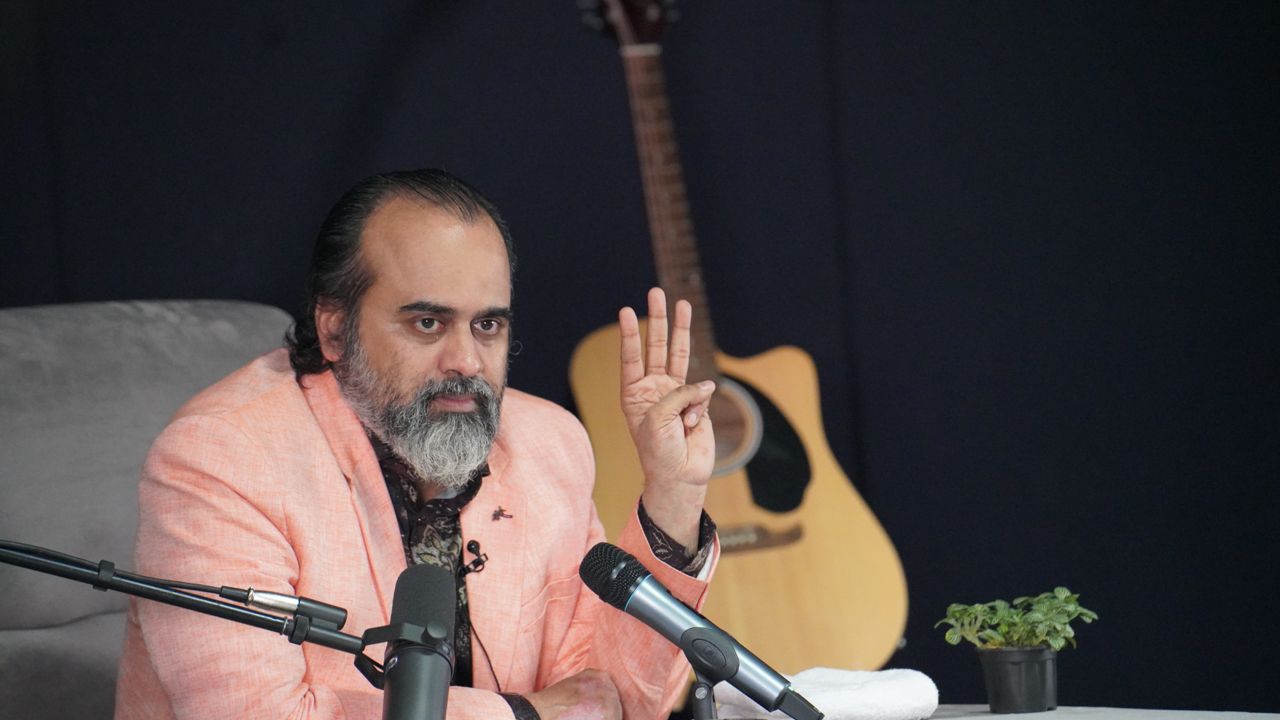
Questioner (Q): As our views change with time, shouldn’t the holy texts be open to revision instead of just a new interpretation?
Acharya Prashant (AP): Wonderful. And I’m glad when a young person with all his enthusiastic irreverence, comes up with this kind of a question. The young friend has asked, “Given that views change with time, given that everything changes with time, shouldn’t the holy religious text be open to revision instead of just a new interpretation?”
The spiritual texts exist to tell you exactly this. That whatsoever is in the stream of time will change, and is hence not dependable or reliable. And this fact does not change.
When you see that everything changes, then you are standing a little apart from all that which changes. Now your position is unchangeable because you are outside from everything that can potentially change. There is no religious book that does not contain two types of material. The first type is that which is time-dependent. It is specific only to a certain period. Particularly, the period in which the book was written or the verses were composed.
And then there is content that is timeless. Time independent. The part of the Scripture that pertains only to the particular period the book was composed in, obviously has very little relevance today. So you’re right when you are talking of revision. You can even go beyond revision. You may venture to even say that those parts, having no relevance today, are even fit to be dropped. Why even revise them? Why bother so much?